Ensure your child’s safety when they ride with others. Discover essential safety tips for parents to prepare them effectively.
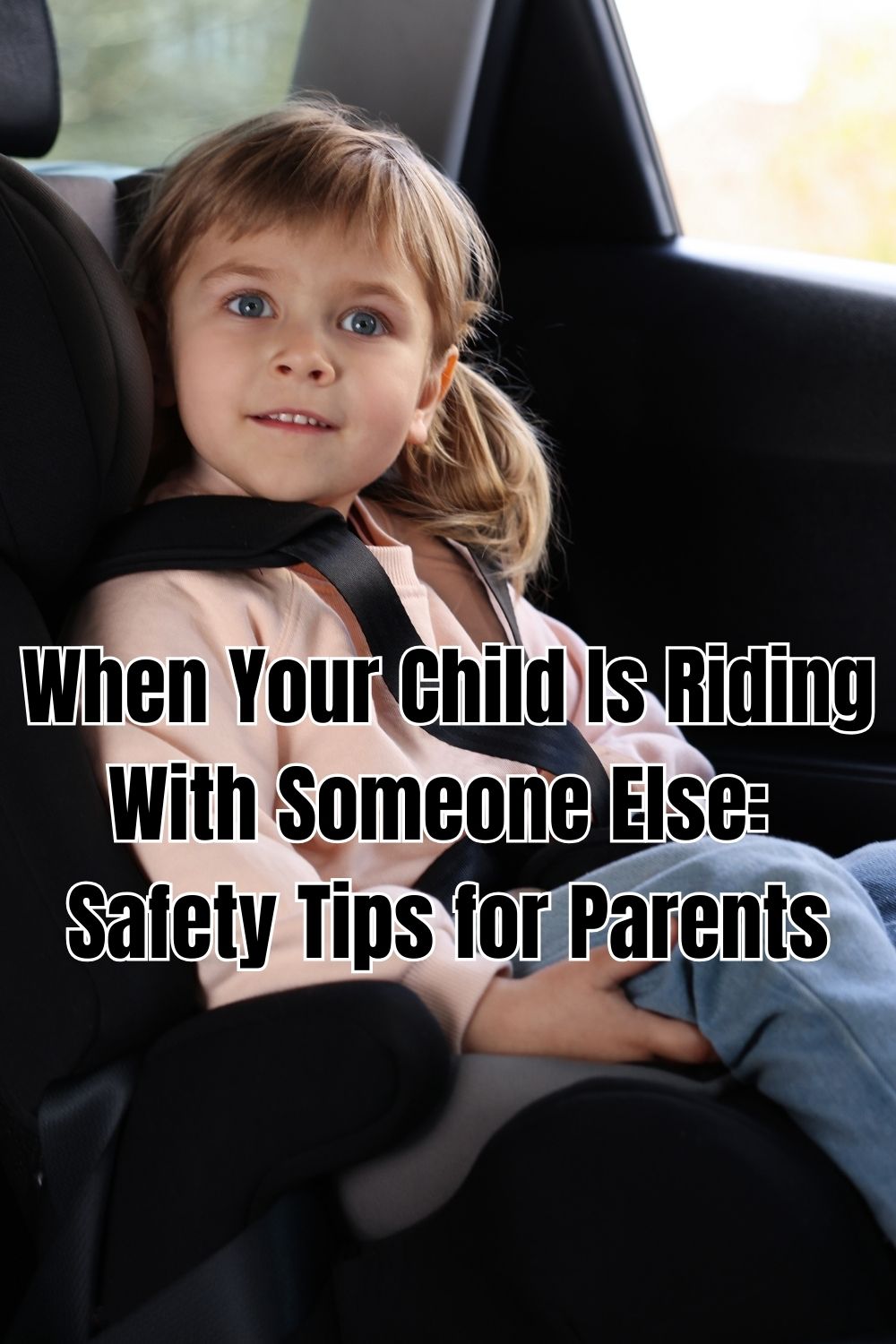
When Your Child Is Riding With Someone Else: Safety Tips for Parents
There comes a time when your child will ride in a car that you are not driving. Maybe a grandparent is picking them up from school, a neighbor is handling the carpool after practice, or a friend’s parent offers a ride home. It’s a normal part of growing up, but it can still bring up a few quiet worries.
The good news is that you do not need a long list of rules to feel better about it. A few clear expectations, plus a simple plan your child can remember, can go a long way. When kids know what to do and feel comfortable speaking up, they’re better prepared for everyday rides that happen outside the car you’re driving.
Start With Simple Ground Rules
Before your child gets into a car with another driver, take a minute to cover the basics. Seat belts stay on the whole time, even for short trips. If your child still needs a car seat or booster, make sure it’s used every time. For older kids, it helps to explain why the back seat is often the safest place to sit.
Next, talk about how to behave in the car. Encourage your child to keep voices at a reasonable level, avoid distracting the driver, and follow directions the first time. This does not have to sound intense. A calm, matter-of-fact approach makes safety feel like a normal routine.
When you can, connect with the driver ahead of time. Confirm who will be driving, how many kids will be in the car, and where everyone will sit. Clear plans reduce confusion and help your child feel more secure.
Teach Kids What to Do If They Feel Unsafe
Even with ground rules, kids can end up in situations that feel uncomfortable. One of the most helpful things you can do is give them simple language to use. Practice a few short phrases that match your child’s age and personality, like “Could you slow down?” or “I need to buckle my seat belt.” A quick role-play at home can make those words easier to say later.
It also helps to set up a check-in plan. Let your child know they can call or text you anytime. Some families choose a neutral code word that means “Please come get me,” so they don’t have to explain the details in front of other people. The goal is for your child to feel supported, not singled out.
Most of all, remind your child that speaking up about safety is respectful. It’s okay to ask for a seat belt or to say they feel uncomfortable. Kids who understand they have permission to protect themselves carry that confidence into every car they enter.
Talk About Carpools, Teen Drivers, and Group Rides
As kids get older, carpools and rides with friends become part of everyday life. You may not know every detail of the trip, but you can still ask a few helpful questions. Who is driving? How many passengers will be in the car? Are there stops planned along the way? These quick check-ins keep you informed without making it feel like an interrogation.
If your child is riding with a teen driver, it’s worth talking about distractions. Phones, loud music, and a car full of friends can pull attention away from the road. Remind your child that seat belts are non-negotiable and that they can speak up if something feels unsafe. If you want a simple way to keep this conversation going at home, this helpful guide for talking to teens about texting and driving offers practical talking points you can adapt for your own family.
Group rides after games or school events can feel rushed and noisy. Encourage your child to pause for a second, buckle up, and check that you know where they are headed. Those small habits matter most when everyone is excited and moving fast.
If an Accident Happens
Even with preparation, accidents can still happen. Make sure your child knows the basics: stay calm, listen to the responsible adult at the scene, and contact you as soon as it is safe to do so. Having a simple plan can reduce panic in a stressful moment.
Afterward, give your child space to talk. Ask open-ended questions and listen without rushing to solve the story. Younger kids may need extra reassurance. Older kids might want to walk through what happened step by step. Either way, steady communication helps you understand what happened and decide what follow-up makes sense.
For general child passenger safety guidance, families can review information from the National Highway Traffic Safety Administration, which shares practical safety recommendations for passengers of all ages.
Sometimes the situation is more complicated than a typical fender bender. If a commercial or app-based driver is involved, insurance and reporting processes may work differently. Knowing that ahead of time can help parents ask clearer questions and keep basic details organized.
When a Crash Is More Serious, Location Matters
In rare situations, a crash is more serious, and the next steps feel unfamiliar. When a collision involves a commercial or app-based driver, there may be extra insurance steps and documentation. What’s expected can vary depending on where the accident happened.
In large metropolitan areas such as New York City, Los Angeles, or Atlanta, courts and insurance carriers may be more accustomed to cases involving rideshare companies. For families in Metro Detroit and across Michigan, procedures may look somewhat different, even when the broader legal framework is similar. Nearby states may follow their own timelines, filing expectations, and court practices. Those differences can influence how quickly information is gathered and how long certain steps take.
Illinois has its own procedures and typical timelines, which can shape how a case unfolds there. In the most serious rideshare situations, families may choose to hire a Lyft wrongful death lawyer in Chicago to better understand local steps and expectations. Working with someone familiar with the area can make the process feel less confusing. Because rules, standards, and practices vary by location, they should be confirmed locally.
Conclusion
Letting your child ride with someone else is a normal part of growing up. Whether it’s a quick trip home from practice or a ride to a weekend event, these experiences help kids build independence and trust. With a few clear expectations and a plan your child can follow, you can feel more confident about the rides that happen outside the car you’re driving.
Safety does not need to be complicated. Simple reminders about seat belts, speaking up, and staying in touch can make a real difference over time. When kids know safety is always a priority, they carry that mindset with them wherever they go.
Leave A Reply!