Explore your ultimate guide to Western Europe’s hidden gems in Portugal, from ancient towns to vibrant local traditions.
Unforgettable Portugal: Your Ultimate Guide to Western Europe’s Hidden Gems
Portugal has long been admired for its layered history, varied terrain, and coastal charm, yet many travelers still overlook the depth and diversity found across its regions. Early explorers once set out from its shores to chart unknown worlds, leaving behind a cultural legacy that remains visible in architecture, cuisine, and local traditions. Modern visitors seeking structured itineraries or thematic journeys often explore the country through Portugal tours, which provide perspectives on both prominent landmarks and lesser-known places. This combination of accessibility and cultural richness makes Portugal one of Western Europe’s most rewarding destinations to study and experience.
The appeal of Portugal lies not only in its postcard-ready coastlines but also in the quieter landscapes of the interior. Ancient hilltop towns, rural wine estates, and compact cities with labyrinthine historic centers coexist within relatively short travel distances. This geographical intimacy allows travelers and researchers alike to examine contrasts in architecture, dialects, and regional identity within a single journey. Portugal’s evolution from an imperial maritime power to a modern European state can also be observed in its urban planning, preservation efforts, and transport systems, many of which have improved accessibility to remote areas without diminishing their character.
While certain icons such as Lisbon’s Belém Tower or Porto’s riverside district are familiar to many, a deeper look reveals lesser-known treasures that capture the variety of Portuguese life. Beyond the major cities, archaeological sites, volcanic archipelagos, and medieval routes illustrate the country’s complexity. Understanding these overlooked places provides a fuller picture of Portugal’s role within Western Europe and its ongoing cultural contributions.
Exploring the historic layers of Lisbon
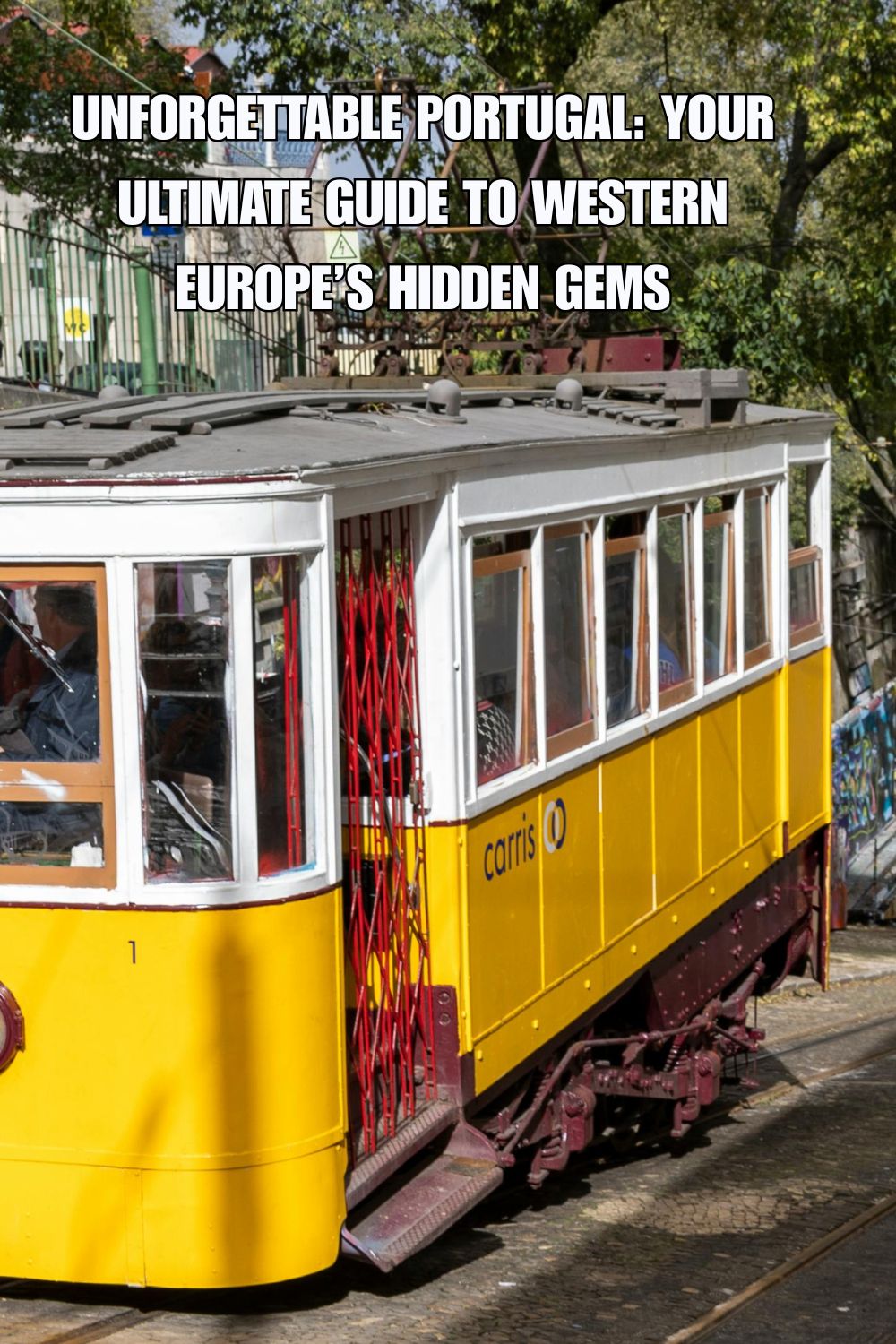
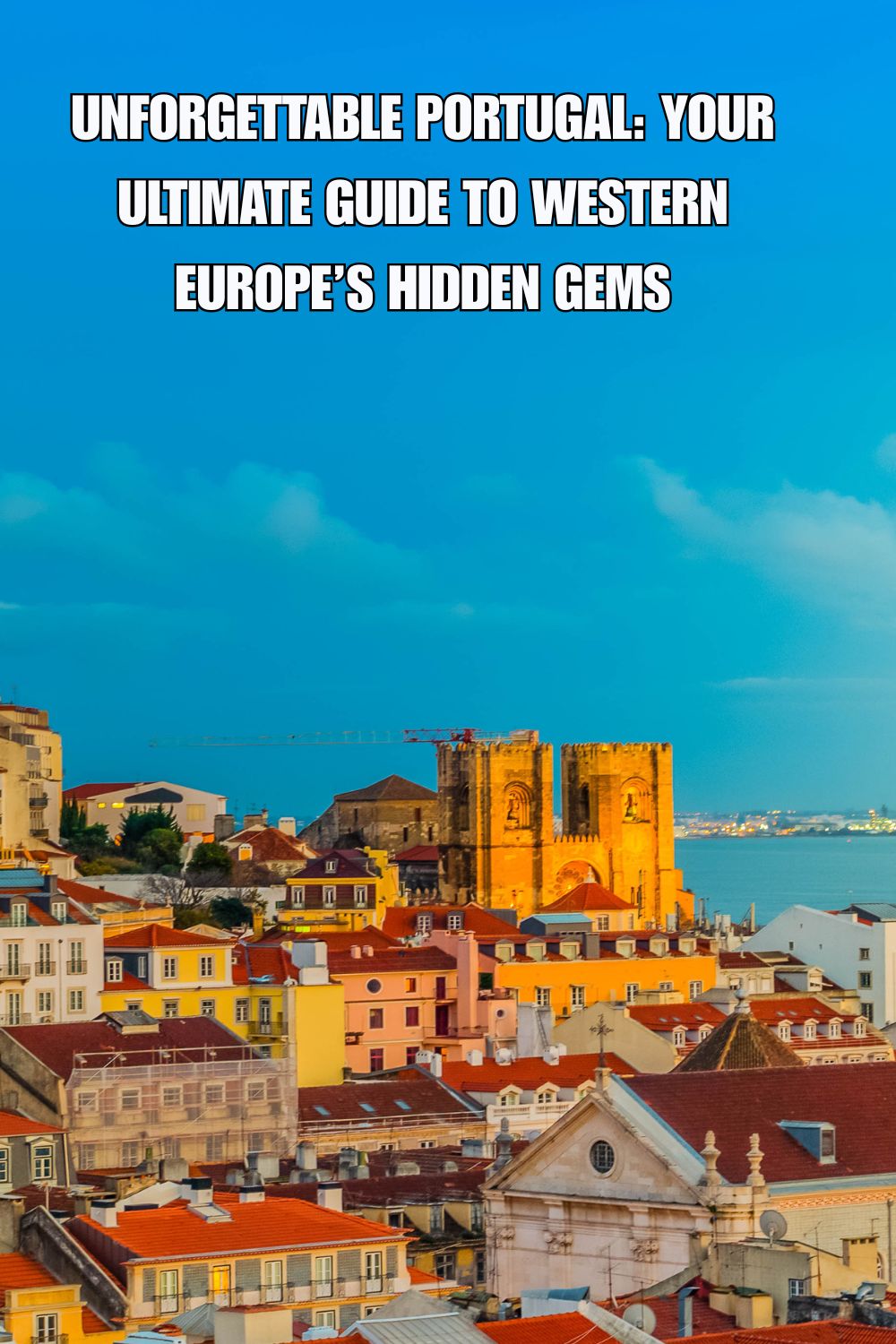
Lisbon, the nation’s capital, presents a dynamic mix of old and new. Its topography of steep hills creates natural viewpoints over the Tagus River, while distinct neighborhoods each reveal a different historical period. Alfama retains traces of medieval street patterns shaped during the Moorish era, offering a living record of urban continuity unusual in modern European capitals. Meanwhile, the Baixa district demonstrates the Enlightenment-era rebuilding plan implemented after the 1755 earthquake, one of the earliest examples of systematic metropolitan reconstruction.
The surrounding area provides further insight into Portugal’s architectural heritage. The Jerónimos Monastery in Belém, characterized by the ornate Manueline style, illustrates the nation’s wealth during the Age of Discovery. Nearby defensive structures and maritime monuments reflect Portugal’s early global influence. Though well-documented, these sites gain additional significance when contextualized with lesser-known buildings, fortifications, and industrial remnants scattered along the riverfront, many of which reveal overlooked aspects of Lisbon’s economic development.
Unexpected discoveries across central Portugal
Moving north from Lisbon, central Portugal offers landscapes and settlements shaped by centuries of cultural exchange. The university city of Coimbra features one of Europe’s oldest academic institutions, with ceremonial traditions still practiced today. Its library, containing rare manuscripts and unique baroque design elements, highlights Portugal’s commitment to preserving intellectual heritage.
Inland, fortified towns such as Óbidos and Marvão provide tangible insights into medieval defense strategies. Their hilltop positions allowed inhabitants to monitor surrounding plains, and their preserved walls demonstrate architectural methods adapted to local geography. These towns also serve as examples of community-scale conservation, where modern life continues within ancient boundaries.
Natural environments in the region present additional areas of study. The schist villages of the Serra da Lousã, constructed from locally sourced stone, showcase vernacular building practices aligned with environmental conditions. Forested mountains surrounding these settlements create habitats supporting diverse wildlife and an array of walking routes that trace historic pathways between isolated communities.
The cultural and geographic richness of northern Portugal
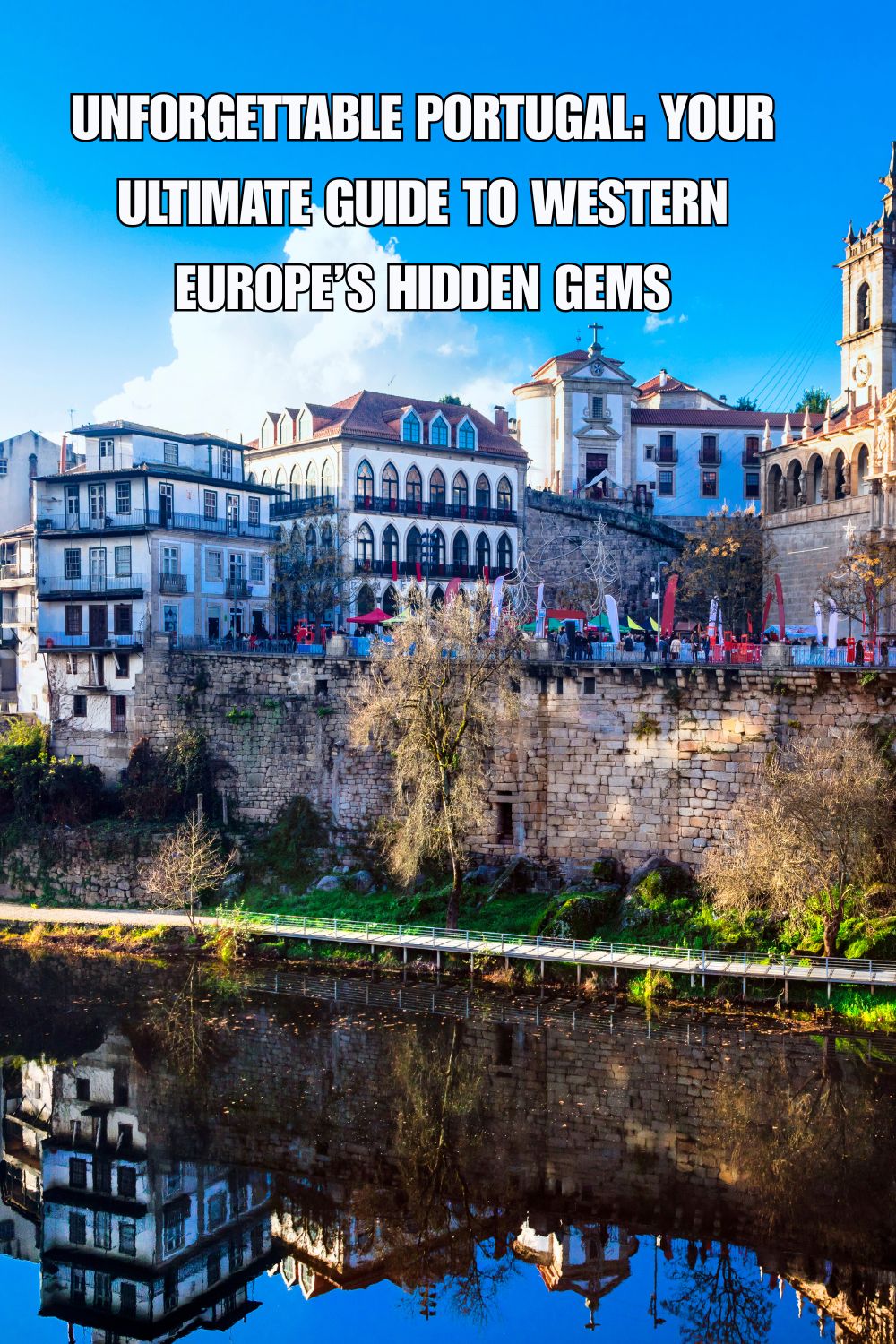
Northern Portugal stands out for its strong regional identity and varied scenery. Porto, known for its riverside warehouses and iron bridges, offers a compact yet layered urban environment. Its historic center reflects mercantile traditions, while modern cultural institutions contribute to a balanced architectural landscape. The Douro Valley, situated to the east, presents terraced vineyards carved into hillsides over centuries. These terraces illustrate traditional agricultural engineering and the resilience of rural communities adapting to steep terrain.
Beyond the well-known Douro region, the Minho area near the northern border features small towns, Romanesque churches, and wooded river valleys. The city of Braga holds one of Portugal’s oldest dioceses, with religious complexes blending baroque and neoclassical design. Nearby Guimarães, often regarded as the birthplace of the Portuguese nation, contains a medieval castle and ducal palace that reveal early state formation.
The diversity of northern Portugal extends to industrial heritage as well. Former textile centers, repurposed factories, and evolving urban districts reflect economic transitions that reshaped the region throughout the twentieth century. Examining these areas provides a comprehensive understanding of how traditional industries influenced city planning, labor patterns, and transportation networks.
The wild coasts and cultural contrasts of the Alentejo and Algarve
South of Lisbon, the Alentejo region is defined by open plains, cork oak forests, and slow-paced towns where daily life follows longstanding agricultural rhythms. Évora, a UNESCO-listed city, contains Roman, medieval, and Renaissance layers within a walkable central area. Megalithic monuments located just outside the city highlight prehistoric occupation, offering one of the densest concentrations of such structures in Europe.
The region’s extensive rural landscapes contribute to its distinctive character. Whitewashed villages, agricultural estates, and quiet roads reflect a cultural continuity less affected by industrialization than other parts of Portugal. Coastal areas of the Alentejo, meanwhile, combine dramatic cliffs with small fishing communities. These shorelines are part of a protected natural park where geological formations and marine ecosystems create valuable study environments.
Further south, the Algarve is widely known for its beaches, but its inland areas reveal a contrasting cultural fabric. Mountain villages in the Serra de Monchique display traditional crafts and agricultural practices, while archaeological findings near the coast trace centuries of settlement by different civilizations. The Algarve’s position along historical maritime routes left lasting influences on its architecture, cuisine, and local customs.
Although Portugal is compact, its most distinctive landscapes and historic settlements are not always directly connected by public transport. You can travel between cities with a private car transfer, and ride with an English-speaking driver, comfortably and at your own pace.
Portugal’s distant but essential island worlds
Beyond mainland Portugal lie the Atlantic archipelagos of the Azores and Madeira. Though physically distant, they play an integral role in understanding the country’s history and ecological diversity. The Azores, shaped by volcanic activity, contain crater lakes, geothermal fields, and landscapes unlike those found on the continent. Settlements in the islands demonstrate adaptive strategies required for living with geological unpredictability, while scientific observatories contribute to global research on climate and seismic activity.
Madeira offers a different environment, characterized by steep cliffs, laurel forests, and engineered irrigation channels known as levadas. These channels, constructed over centuries, illustrate how inhabitants redirected water across rugged terrain to support agriculture. The island’s botanical diversity and subtropical climate attract researchers studying endemic species and land management in constrained environments.
Both archipelagos provide examples of sustainable tourism frameworks and conservation initiatives aimed at protecting fragile ecosystems. Their combination of cultural traditions and natural resources contributes significantly to Portugal’s broader identity.
Understanding Portugal’s enduring appeal
The varied landscapes and layered histories found throughout Portugal reflect centuries of regional development, maritime influence, and cultural exchange. Its cities reveal architectural transitions shaped by natural events and political contexts, while rural areas preserve customs and building techniques adapted to local environments. Coastal zones, mountains, plains, and island territories each highlight different aspects of the nation’s heritage.
Examining these elements collectively allows for a comprehensive perspective on Portugal as one of Western Europe’s most multifaceted destinations. Travelers, researchers, and cultural observers can explore its past and present through diverse routes that reveal the country’s depth, from volcanic islands to medieval towns and evolving urban centers.
Leave A Reply!