Explore travel experiences rooted in nature and self-reflection, where simplicity leads to profound insights and peace.
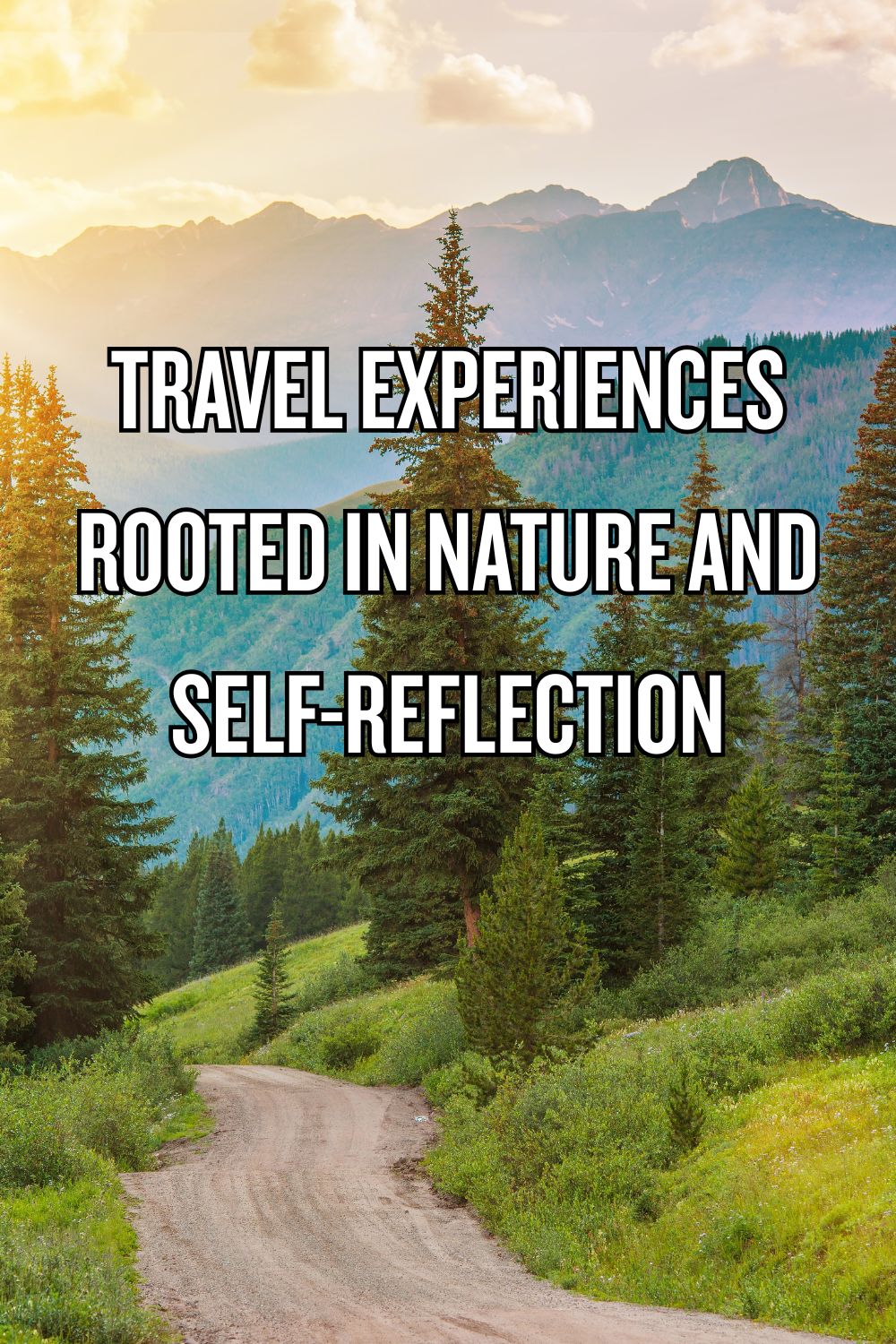
Travel Experiences Rooted in Nature and Self-Reflection
Not every trip needs to feel productive. Some travel experiences work best when they remove the need to optimize, document, or explain the time away. Nature-rooted travel often succeeds because it strips life down to a few essential choices: where to walk, when to eat, and when to stop moving altogether. The value comes from how the environment quietly reorganizes attention. Phones get checked less. Conversations slow. Time stretches without effort.
Gatlinburg works well for this kind of travel because it doesn’t demand performance. The mountains don’t ask to be conquered. The scenery doesn’t require a schedule. Days naturally organize themselves around weather, light, and personal energy. This simplicity gives travelers room to think without forcing reflection.
Stays That Encourage Time Away from Distraction
Cabins create a specific kind of distance. Not emotional distance, but practical distance from interruption. No shared hallways. No background chatter. No constant visual reminders of other people’s plans. This separation changes behavior quickly. People wake up without alarms. Meals happen later. Even small decisions take longer, which is part of the appeal.
Sitting still doesn’t feel like wasted time as you quietly enjoy the peace. For travelers looking for affordable cabin rentals near Gatlinburg, Summit Cabin Rentals offers cabin options that support this slower, less managed experience. The setting makes it easier to stay off screens and let the day unfold without filling every gap. The cabin becomes a place to pause rather than a place to recover between activities.
Experiences That Prioritize Open Space
Open space doesn’t just change what you see. It changes how you move. Wide views reduce the urge to rush. Trails without crowds allow wandering rather than marching. Even standing still feels different when the horizon stretches outward instead of closing in.
In environments with real open space, decisions simplify. There’s less pressure to “do” something because the environment already feels complete. Sitting on a porch or walking a quiet path becomes enough. Open space creates mental breathing room by removing visual and auditory clutter, allowing attention to settle naturally.
Journeys Designed for Quiet Observation
Quiet observation happens when nothing is competing for attention. In nature-led destinations, observation becomes the default activity. Watching clouds change shape. Noticing how sound travels differently at various times of day. Seeing how light moves across the same view hour after hour.
These journeys reward patience rather than action. Travelers stop measuring time by accomplishments and start noticing patterns instead. Observation turns small details into anchors. It gives the mind something to rest on without demanding analysis.
Retreats Shaped by Natural Elements
Some places feel curated. Others feel shaped. Retreats rooted in natural elements rely on what already exists rather than adding layers of structure. Weather determines pace. Elevation influences movement. Trees filter sound. These factors shape daily decisions without anyone needing to plan them.
In mountain environments like those around Gatlinburg, nature introduces variation without chaos. Mornings feel different from afternoons. One day encourages movement, another encourages stillness. This variability keeps the experience grounded and present.
Travel That Encourages Solitude
Solitude in nature doesn’t feel isolating. It feels spacious. Time alone gains texture instead of emptiness. Walking without conversation sharpens awareness. Sitting quietly feels intentional rather than awkward. Solitude creates room for thought without demanding conclusions.
Nature supports solitude by offering context. The presence of trees, mountains, and changing light keeps the experience anchored. Travelers don’t feel alone with their thoughts; they feel accompanied by the environment.
Trips That Focus on Environmental Connection
Some trips revolve around activities. Others revolve around surroundings. Travel rooted in environmental connection puts the setting first and lets everything else fall into place around it. Instead of asking what to do next, travelers start noticing where they are. The texture of the ground underfoot. The way the air feels at different elevations.
Environmental connection builds through repetition rather than novelty. Walking the same short path multiple times reveals more than a long hike done once. Sitting in the same outdoor spot at different hours turns light into a moving element.
Journeys That Allow Mental Space
Mental space rarely appears on a schedule. It emerges when stimulation drops, and decisions become fewer. Journeys that allow mental space remove unnecessary inputs. Fewer notifications. Fewer choices. Fewer expectations about productivity. That simplicity frees attention without effort.
In nature-focused travel, mental space often arrives unexpectedly. Thoughts slow because nothing is pushing them forward. Silence creates room for unfinished ideas to surface and settle. The absence of constant input allows perspective to reorganize itself.
Trips That Invite Reflection without Structure
Structured reflection can feel like another task. Unstructured reflection happens quietly when there’s time and room for it. Trips designed without rigid plans leave space for thought to wander. Reflection appears in moments that feel ordinary rather than intentional.
Sitting on a porch longer than expected, watching the weather roll in, walking without a destination. These moments invite reflection without labeling it. The lack of structure removes pressure to “figure something out.” Thoughts come and go naturally. Some stay. Some don’t. That ease often leads to more meaningful clarity than deliberate effort.
Travel Shaped by Landscape and Light
Landscape and light influence experience more than most itineraries. Morning light feels different from afternoon glare. Shadows stretch and shrink. Fog appears and disappears. Such changes subtly guide mood and movement throughout the day.
Travel shaped by these elements encourages attentiveness. People wake earlier without trying. Evenings slow naturally as light fades. The day feels complete without needing a checklist. Landscape and light provide structure without instruction, allowing travelers to move in sync with their surroundings rather than fighting against them.
Trips That Foster Quiet Clarity
Quiet clarity doesn’t arrive through silence alone. It comes from consistency, simplicity, and time spent in one place. Trips that foster quiet clarity reduce the urge to move constantly. Staying put allows the mind to settle into the environment.
Clarity develops through small repetitions. The same view seen from different moods. The same walk taken with different thoughts. Over time, mental noise fades, not because it’s forced out, but because it loses relevance.
Travel experiences rooted in nature and self-reflection succeed because they remove friction rather than adding intention. They rely on the surroundings to guide pace, attention, and mood. Cabins, open landscapes, quiet observation, and unstructured time work together to create environments where thinking feels lighter and presence feels natural. Travelers return from such trips without a list of accomplishments, but with a clearer sense of themselves shaped by time spent paying attention to where they were.
Leave A Reply!