Uncover the real dangers of highway travel that insurance companies avoid discussing. Protect yourself and your finances.
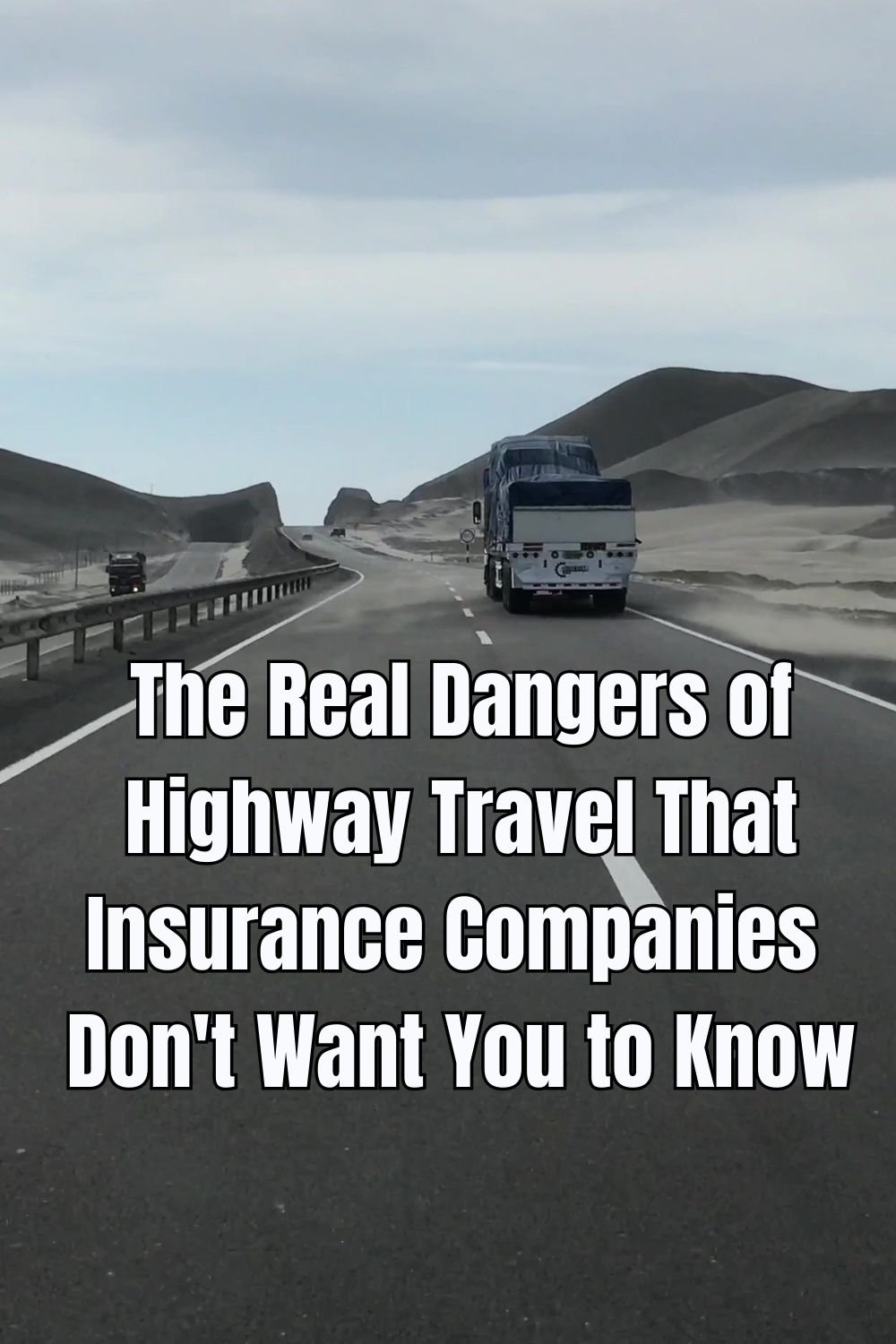
The Real Dangers of Highway Travel That Insurance Companies Don’t Want You to Know
It should be simple to drive on the highway. Get on, go fast, get off. Instead, driving on the highway is far more dangerous than most people realize, and insurance companies have no incentive to tell you about dangers that could cost them claims. The secrets to safe highway travel will protect you and your finances. The problem is that the dangers of driving on the highway are not immediately recognizable.
Commercial Vehicles
The commercial vehicles on our highways are one of the biggest threats. Fully loaded commercial vehicles can weigh up to 80,000 pounds. That’s nearly 20 times as much as an average passenger vehicle. When physics are involved, the accidents will never favor the smaller of the two vehicles.
The most dangerous aspect of driving around commercial vehicles is the no-thing zone. The no-thing zone is much larger than most people realize. It extends 20 feet in front of the cab, 30 feet behind the trailer, and one lane width on either side of the vehicle. Many people think that if they can see the driver in the side mirror, they can be seen. Not always true.
Another danger is that commercial drivers are often drowsy. Although there are federal regulations that limit the number of hours drivers can spend behind the wheel, deadlines often push these drivers to their limits. When serious accidents occur involving a commercial vehicle, it becomes necessary to consult with a competent truck accident lawyer because of the intricate web of federal laws and the severity of injuries involved in these cases.
The unique dangers presented by commercial vehicles include mechanical failures. Brake failures, blowouts, and steering failures are incidents that might cause minor accidents for standard vehicles. With commercial vehicles, however, these incidents can be deadly.
The Highway Hypnosis Effect
Another danger on the highway is highway hypnosis. Highway hypnosis leads drivers to go on autopilot. This is not simple daydreaming: it’s a real phenomenon where the brain reduces focus on driving but still operates the vehicle.
Highway hypnosis often occurs about 20-30 minutes into driving in monotonous conditions. The danger this presents to drivers is that their reaction time to unexpected events is drastically reduced.
The advanced safety features in modern cars may increase the danger of highway hypnosis. When drivers rely on crash alarms and adaptive cruise control, they pay even less attention to what’s happening outside the car.
Weather-Related Dangers
Many weather-related dangers occur on the highway. The dangers include more than just rain or snow.
Rain can cause slick road conditions due to hydroplaning. Drivers often underestimate the danger of hydroplaning in light rain because oil on the road surface mixes with rainwater, creating slick conditions that can lead to hydroplaning.
A sudden change in weather can also lead to dangerous situations on the highway. Drivers can experience sudden changes in their environment because they often travel long distances on highways. Suddenly transitioning from driving in pleasant weather conditions to fog, rain, or dangerous winds is dangerous for drivers because they need time to mentally adjust to their new environment.
Wind is also a danger on highways. Wind can cause unexpected factors like crosswinds, especially when driving past bridges or around large trucks. Cars can be thrown off balance when they hit sudden crosswinds.
Construction Zones
Highway construction zones present another set of unique and potentially dangerous challenges. Construction zones combine many of the aforementioned dangers into one easily navigable area.
Some of the construction-related dangers include lane changes, heavy machinery, and the unpredictable nature of construction patterns. Drivers often have to adjust their driving patterns constantly.
The psychology of construction sites plays a role in the potential dangers they present. Drivers might become frustrated with waiting for traffic and decide to take risks like cutting other drivers off and arriving late rather than waiting for their turn.
Emergency Help Situation
Highway accidents often require emergency assistance. The process of receiving this assistance presents its own set of challenges.
Drivers encountering accidents either need emergency services or roadside assistance several times during their journey on the road. Stopped traffic due to an accident poses its own set of dangers for drivers needing to pass through certain situations while avoiding becoming stuck behind traffic.
The psychological effect of accidents means that people slow down when passing an accident scene. This could lead to secondary accidents occurring miles after accident scenes.
Accidents on highways also require getting help from emergency services or other roadside assistance services. This can be complicated by poor cell phone coverage or needing help locating your exact position.
Many victims of accidents are surprised by the financial impact of accidents. Higher speeds in highway accidents result in increased damage and injuries, leading to costs that easily exceed insurance coverage limits.
Protect Yourself
Educating yourself about your rights and finances before a highway accident can save you money if you are involved in an accident. Many drivers do not realize that standard car insurance policies do not cover costs incurred in serious accidents adequately.
Taking an adequate amount of documentation at an accident scene is crucial. Actions taken during high-speed accidents involving many cars may make it difficult for insurers to determine fault accurately.
Car insurance companies are more interested in selling you insurance than informing you about potential financial concerns regarding your coverage. The dangers of driving on highways are more severe than we think.
Leave A Reply!