Discover practical steps for dealing with a delayed storm damage claim. Take control of your recovery process today.
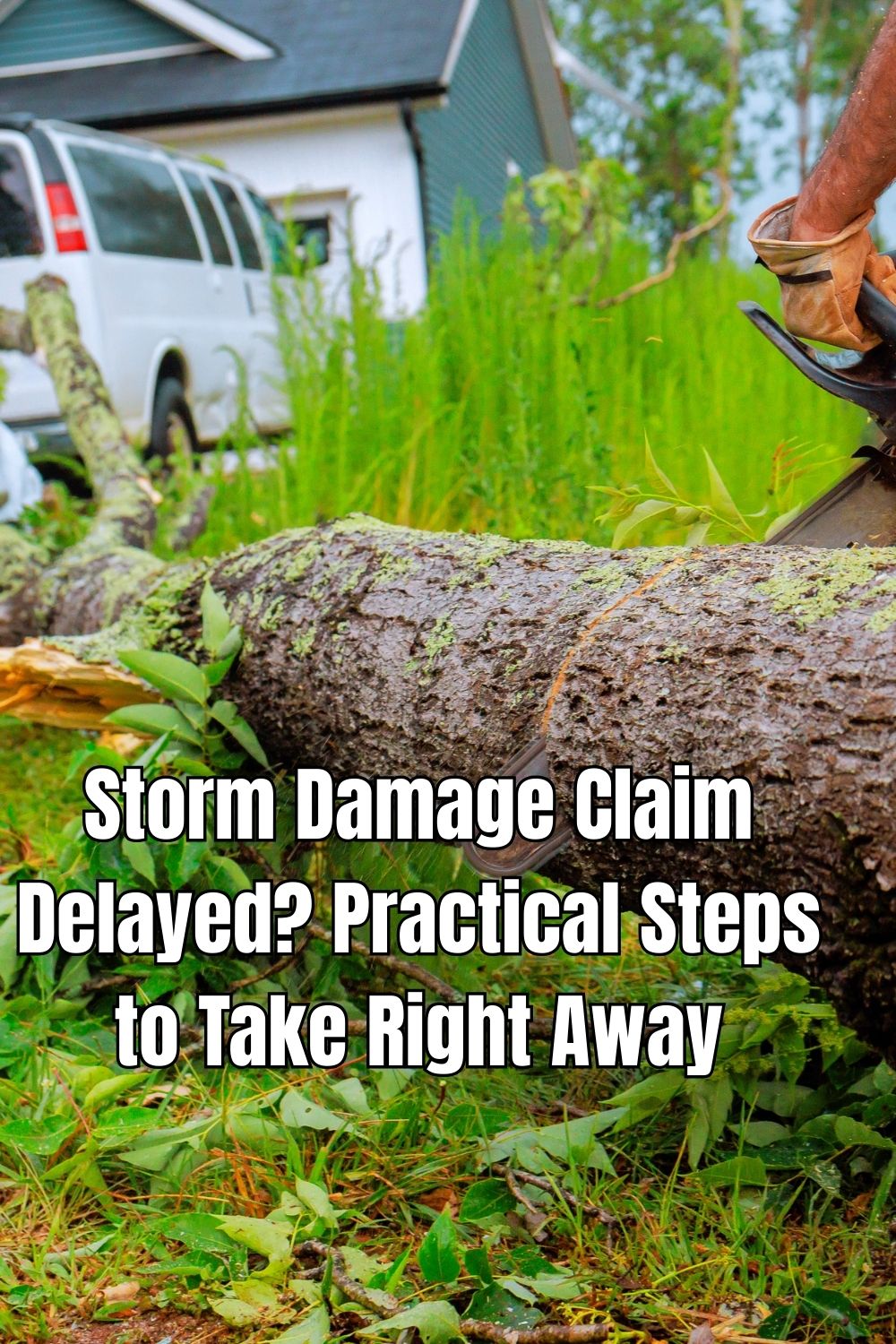
Storm Damage Claim Delayed? Practical Steps to Take Right Away
When a storm hits, the damage is immediate. Leaks appear, ceilings stain, shingles disappear, and suddenly your home feels vulnerable. What makes it even harder is when the insurance claim meant to help you recover starts dragging on. Days turn into weeks. Calls go unanswered. Emails feel vague. And all the while, you are left wondering what you are supposed to do next.
If this is where you are right now, take a breath. Delayed storm damage claims are far more common than most homeowners in Miami realize, and they are not always accidental. The good news is that there are practical steps you can take to help move things forward. This article walks through them, one at a time, so you can feel more informed and less overwhelmed.
Read on!
Contact a Storm Damage Lawyer as Soon as Delays Start
When an insurance claim begins to slow down, it can be difficult to tell whether the delay is normal or something more concerning. Most homeowners are never told how long each step should take or what insurance companies are required to do at different stages of the process. That lack of clarity alone can create stress and leave people feeling stuck.
This is where speaking with a storm damage lawyer in Miami can help bring some clarity. Professionals at experienced firms like Vargas Gonzalez Delombard understand how storm damage claims are supposed to move forward. They help determine whether delays are reasonable, manage communication with insurance companies, and step in early before missed deadlines or underpayments become harder to address.
If necessary, they are also prepared to pursue additional steps such as mediation or litigation on your behalf. Whether through negotiation, mediation, or litigation, having someone ready to advocate for your claim helps ensure the situation is handled seriously and fairly.
Shift From “Following Up” to Setting Clear Expectations
Many homeowners spend weeks following up with their insurance company, asking for updates without getting clear answers. While this feels proactive, it often leads to vague reassurance rather than real progress. A more effective approach is to shift how those conversations are framed.
Instead of asking whether there are updates, focus on what comes next. Ask what step is pending, when it is expected to happen, and whether anything is needed from you to move forward. These questions gently introduce accountability without creating conflict.
Over time, this approach helps turn open-ended waiting into a defined process. Clear expectations reduce confusion and help everyone involved understand that the claim is active and being tracked carefully.
Lock the Claim Into a Paper Trail That Cannot Be Ignored
When conversations happen only by phone, details can disappear. Adjusters change. Promises are forgotten. A paper trail keeps the claim from quietly resetting or stalling.
Whenever possible, communicate in writing through email or the insurer’s portal. Save copies of every document you send and every response you receive. If you submit information, ask for confirmation that it was received. If instructions are unclear, request clarification in writing.
This is not about preparing for conflict. It is about protecting momentum. A clear paper trail shows that you responded promptly and consistently, which helps prevent unnecessary delays and strengthens your position if progress continues to slow.
Stay Present Without Escalating Emotion
Silence is one of the most common reasons storm damage claims stall. Many homeowners wait quietly, hoping the next update will arrive on its own. While that instinct is understandable, extended silence often allows a claim to drift without clear momentum. Staying present in the process helps remind the insurance company that the claim is active and important.
Following up politely and consistently creates steady forward pressure without adding stress. Written check-ins that ask about timelines, pending steps, or what is needed next keep communication focused and professional. These small, measured actions show engagement and responsibility, not impatience.
It is important to remember that persistence does not need to sound confrontational. Calm follow-ups, paired with clear documentation and respectful language, often move a claim forward more effectively than frustration ever could. Staying present in this way helps protect your claim while also preserving your peace of mind during an already stressful time.
Final Thoughts
A delayed storm damage claim can leave homeowners feeling powerless, especially when repairs are still needed, and answers feel slow to come. But delays do not mean the claim is lost. By bringing accountability into the process, creating structure, and taking calm, informed steps while the claim is ongoing, you regain control. You do not need to rush or panic. With steady action and the right support, it is possible to move forward and work toward a fair resolution.
Leave A Reply!