Explore simple solutions for treating white spots on teeth with professional treatments and effective home remedies.

Simple Solutions for Treating White Spots on Teeth
Key Takeaways
- White spots on teeth can result from various factors, including fluorosis, enamel hypoplasia, and demineralization.
- Professional treatments like teeth whitening, microabrasion, and resin infiltration can effectively reduce or eliminate white spots.
- Home remedies such as oil pulling and remineralizing toothpaste may offer supplementary benefits.
- Maintaining good oral hygiene and a balanced diet are crucial in preventing the formation of white spots.
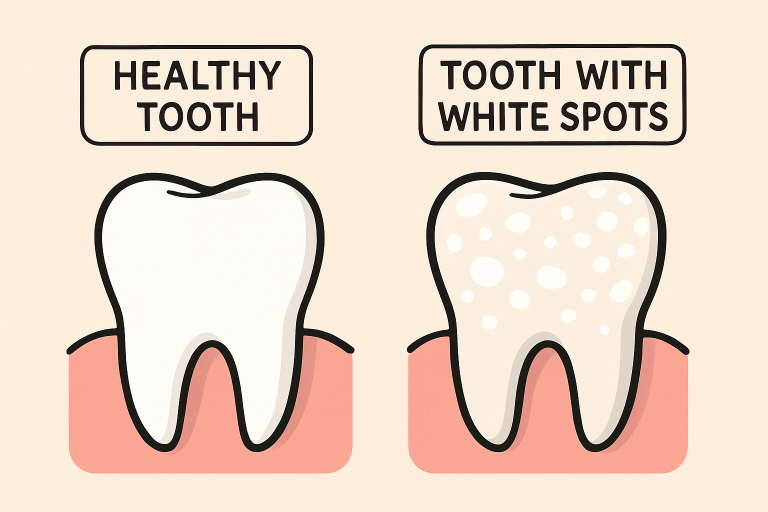
White spots on teeth not only affect the look of your smile but can sometimes indicate underlying dental issues. Recognizing the best approaches for identifying their causes and selecting proper treatments is essential for anyone searching for white spots on teeth how to remove and achieve a more uniform, attractive smile.
Getting rid of white spots is possible through both professional dental procedures and targeted home care, but understanding their origin is key to selecting the most effective solution. Whether white spots are due to lifestyle, diet, or developmental issues, knowing your options can support both your health and your confidence.
The methods available today range from in-office treatments that provide immediate results to home preventive routines that reduce the risk of future discoloration. Before starting any treatment, it’s important to understand your specific situation and consult a dental professional if needed.
Causes of White Spots on Teeth
Understanding the causes of white spots on teeth can aid in prevention and guide treatment choices. Typically, these spots arise due to:
- Fluorosis: Accumulation of too much fluoride during tooth development can leave visible marks on the enamel. Infant and childhood exposure is the most common cause, especially in areas with high-fluoride water.
- Enamel Hypoplasia: A developmental deficiency where the tooth enamel is thin or incomplete. This can be due to factors like nutritional inadequacies, trauma, or illness during early childhood.
- Demineralization: A loss of mineral content in the enamel, frequently associated with plaque buildup and poor oral hygiene. Demineralization is particularly common around orthodontic appliances and in individuals who frequently consume sugary or acidic foods.
Each of these causes can impact oral health differently, making it important to consult with a dentist to determine the root of the problem for proper management.
Professional Treatments
There are several effective clinical treatments for diminishing or eliminating white spots on teeth, each tailored to the severity and underlying cause of the problem.
- Teeth Whitening: Professional bleaching treatments can help to even out tooth coloration, reducing the contrast caused by white spots. It’s important to consult a dentist before choosing any whitening solution, as over-the-counter products may worsen the issue if used incorrectly.
- Microabrasion: This process involves gently removing a thin layer of external enamel, which can help fade or erase superficial white spots. Microabrasion is especially effective when paired with whitening procedures for enhanced results.
- Resin Infiltration: Using a tooth-colored resin, dentists can fill in demineralized areas. The resin mimics the natural tooth structure and color, blending the white spots into the surrounding enamel for a more even appearance. Current clinical reviews highlight the method’s success and safety.
If white spots are extensive or resistant to less invasive approaches, treatments like veneers or bonding may be recommended. Your dentist can help determine the best solution after an examination and review of your dental history.
Home Remedies
For mild cases or as a supplementary approach to professional care, certain home remedies may help reduce the appearance or formation of white spots. These include:
- Oil Pulling: An ancient practice where coconut or sesame oil is swished in the mouth for several minutes. This method may help remove bacteria, improve gum health, and support remineralization, although strong clinical evidence is still emerging.
- Remineralizing Toothpaste: Products infused with calcium phosphate and/or fluoride can help replenish minerals in early-stage demineralized enamel. Dentists at Advanced Smiles Marion recommend consistent use under professional guidance to maximize effectiveness.
While these methods are generally safe, they should not replace regular dental checkups or delay consultation for persistent or worsening spots.
Prevention Strategies
Proactive prevention is crucial for avoiding the onset or recurrence of white spots. The following habits can make a significant difference:
- Brush at least twice daily using fluoride toothpaste and floss at least once daily to prevent plaque buildup and demineralization.
- Moderate your intake of sugary, starchy, and acidic foods and beverages, as they can accelerate enamel loss. Rinse your mouth with water after consuming these items if you can’t brush right away.
- Ensure children receive appropriate fluoride levels and balanced nutrition to encourage strong enamel development. Regular dental check-ups allow for early identification of risks and timely intervention.
- Ask your dentist about sealants or protective varnish, especially for children or those wearing braces, to provide extra enamel defense.
When to Consult a Dentist
If home care and preventive strategies do not resolve the white spots, or if the spots are spreading, causing discomfort, or occurring alongside other symptoms such as sensitivity or decay, promptly schedule a dental evaluation. A dentist can provide an accurate diagnosis, address underlying health issues, and help you choose the most effective and safe treatment for your needs.
Dentists also guide you on long-term oral health habits and can tailor a plan that works for your lifestyle and dental history, ensuring your smile remains bright and healthy for years to come.
Leave A Reply!