Explore the new perspective on aging with ‘Rethinking What Growing Older Looks Like For Your Parents’. Support their independence!
Rethinking What “Growing Older” Looks Like For Your Parents
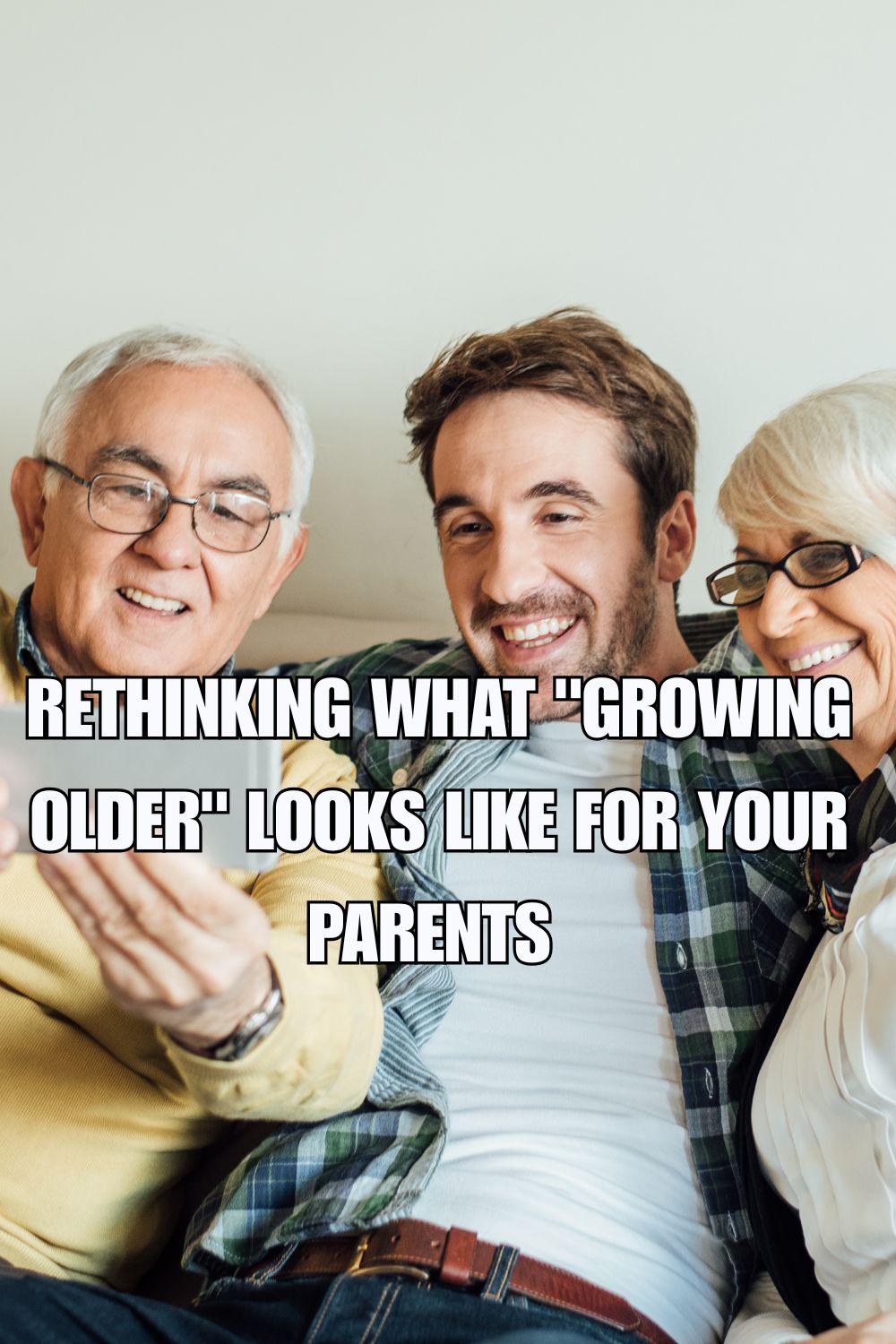
We are a population that is growing older than we ever have, but remaining younger for a lot longer. Changes in healthcare, preventive treatments, as well as a general decrease in hard physical labor, mean that we have a population that is aging to be healthier and more independent. As such, while some still have the need for carers and more dedicated support, aging doesn’t look the same for everyone nowadays. As such, even as their needs change, it’s worth thinking about more specific ways to support them.
Aging Can Be More Active Than Ever
One of the biggest differences in getting older is that it’s a lot easier to do it while being mindful of your health. There’s a lot that can be done to preserve independence for longer in life, enhancing not just your parents’ physical fitness, but their mental fitness as well. Encouraging them to exercise with equipment designed to provide gentler exercises for older bodies, downloading apps that can guide them through basic daily workouts, and helping build healthy routines for the mind, such as socializing and getting into hobbies, can keep them active and alert for a lot longer. This, in turn, might reduce their need for active round-the-clock care as they get older.
Community Plays A Key Role In Wellbeing
One of the most important parts of aging well is ensuring that you have others around you as you do it. While families often stay connected for longer, grown children have their own kids and responsibilities to tend to. Helping parents bridge the connection gap that might appear as a result of aging peer groups or people moving away can be vital. This can be done with the help of retirement living communities, for instance, seeing to their lifestyle needs while making sure that they’re surrounded by their peers and people they can develop shared interests with. Given the accelerating impact isolation can have on worsening mental health and even cognitive decline, it’s certainly worth addressing.
We’re Feeling Younger On Average, Too
It’s not just a shift in focus on physical and mental well-being that allows us to feel younger. There has been a trend of people legitimately feeling younger than they are. Subjective age always tends to trend younger than real age, but this is being heightened by the fact that people tend to spend longer in the work force, retire later, and play a more active role in the lives of their children in recent years. As such, your parents might not quite feel elderly yet, even if they are, which means it’s important to address health or care questions with respect and with their input as the deciding factor.
While we are aging differently, we are still aging and, as such, we’re likely to need a little more help as we get up there in the years. Hopefully, the tips above can help you provide that help to your parents in a way that’s mindful, respectful, and considerate of their own needs and preferences.
Leave A Reply!