Learn why otoplasty for teens can be a solution for prominent ears and how it impacts self-confidence and social comfort.
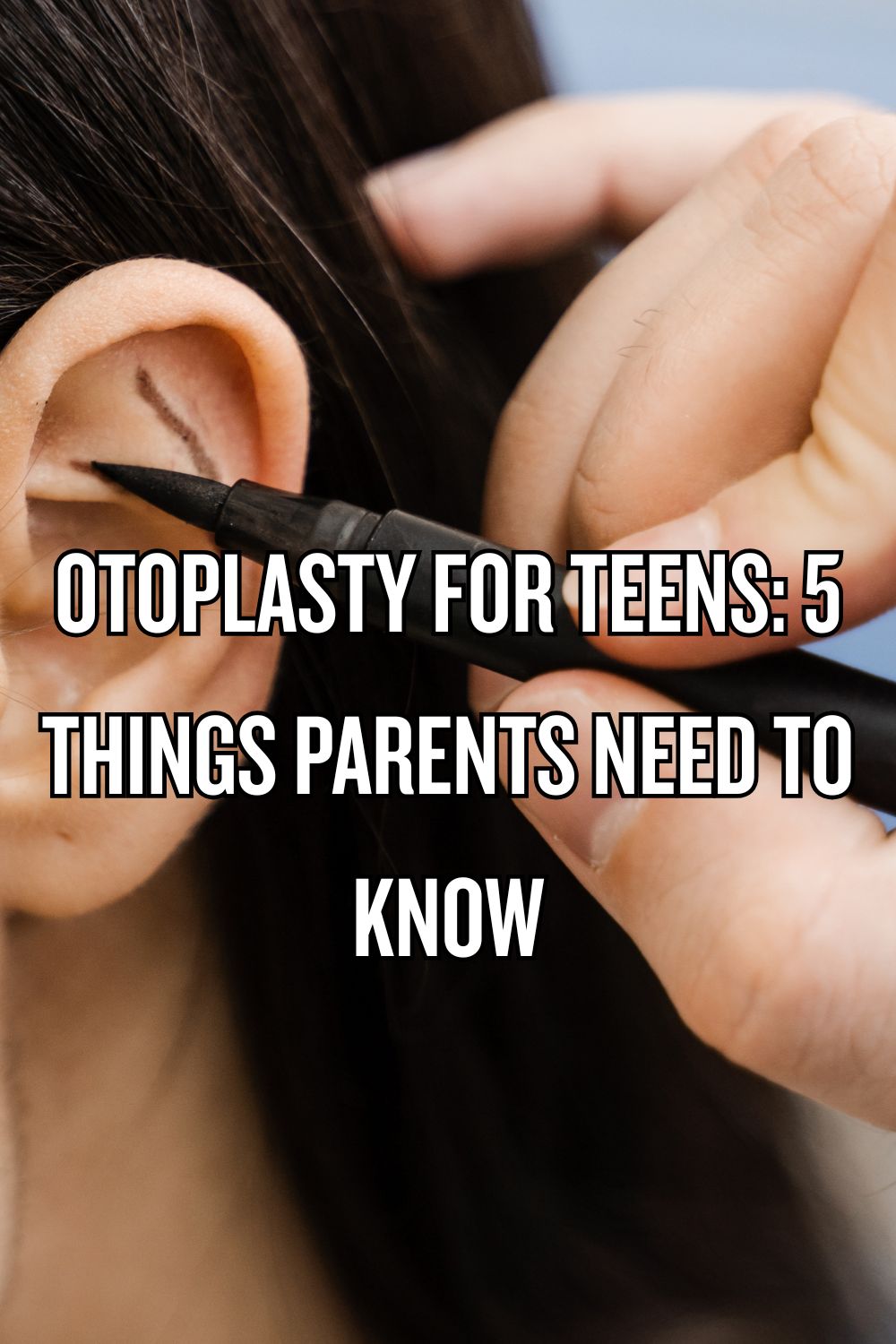
Otoplasty for Teens: 5 Things Parents Need to Know
For many teenagers in NYC and beyond, appearance plays a significant role in confidence and social comfort. While most physical changes during adolescence are expected, certain features—like prominent or asymmetrical ears—can draw unwanted attention and affect self-esteem. Parents often notice this concern long before their teen brings it up, especially if teasing, self-conscious behavior, or hairstyle changes become common.
Otoplasty, a procedure that reshapes or repositions the ears, is sometimes considered during the teenage years because the ears are usually fully developed by this stage. Still, deciding whether or not to move forward with a cosmetic procedure for a teen requires thoughtful consideration. It’s not just about appearance—it’s about emotional readiness, physical development, and realistic expectations.
Having said that, below are five important things parents should understand when exploring otoplasty for teens. So, dive into the article to know!
1. Why Teens Consider Otoplasty in the First Place
The most common reason teens want to consider otoplasty isn’t vanity—it’s confidence. Ears that protrude or appear noticeably uneven can become a focal point during school years, when peer awareness is heightened.
Parents may notice:
- Reluctance to wear hair up or short.
- Increased self-consciousness in photos.
- Avoidance of social situations.
- Comments or teasing from peers.
For many teens, addressing this concern can feel less about changing who they are and more about removing a distraction that affects daily confidence. Understanding why your teen is interested is the first and most important step.
| Fact: Research in adolescent psychology shows that ear-related teasing peaks during middle and early high school years. This is exactly the time when social awareness and self-image are most sensitive. |
2. Choosing the Right Surgeon and Setting Expectations
Choosing the right surgeon is one of the most important parts of the decision-making process—especially when the patient is a teenager. Parents should look beyond credentials alone and focus on experience, communication style, and a surgeon’s comfort level working with younger patients and their families.
Important considerations include:
- Experience performing otoplasty for teens.
- A conservative approach that prioritizes facial balance.
- Clear explanations tailored for both parents and teens.
- Realistic discussion of outcomes, recovery, and limitations.
Well, when families explore otoplasty in NYC, practices like New Face NY are often sought out for their specialized focus on facial procedures and patient-centered consultations. Their approach typically involves spending time with both the parent and teen to understand concerns, explain the procedure in age-appropriate terms, and set expectations that feel realistic rather than idealized.
Moreover, remember that a thoughtful consultation should never feel rushed. Parents should walk away with a clear understanding of what the procedure can achieve, how recovery may look for a teen, and how results are expected to mature over time. This clarity helps families make confident decisions rooted in trust and long-term perspective.
| Fact to Know: Studies show that ears reach nearly 90% of their adult size by early childhood. This is why otoplasty is one of the few cosmetic procedures that can be safely considered during the teenage years. |
3. When Is the Right Age for Otoplasty?
A common question parents ask is whether their teen is “too young” for otoplasty. In most cases, ears reach full physical development by early adolescence. This, as a result, makes the teenage years a medically appropriate time to consider the procedure.
That said, emotional readiness matters just as much as physical readiness. Parents should consider:
- Whether the teen is expressing their own desire for change.
- If expectations are realistic and well-understood.
- Whether the teen can follow post-procedure care instructions.
The decision should be collaborative, with open discussion rather than pressure. A teen who feels heard and involved is more likely to feel positive about the outcome.
4. Understanding the Procedure and Recovery Process
Otoplasty is typically performed as an outpatient procedure. Moreover, recovery is usually manageable for teens when proper care instructions are followed. The surgery focuses on reshaping cartilage or adjusting ear position to create better balance with the rest of the face.
Parents should be aware that:
- Mild swelling and soreness are normal initially.
- Protective headbands are often worn during early healing.
- School and activities may need short-term adjustment.
5. Emotional Impact Matters as Much as Physical Results
While physical changes are visible, the emotional impact of otoplasty is just as important. For many teens, feeling more comfortable with their appearance can ease social anxiety and improve confidence. However, it’s equally important to ensure the procedure isn’t being viewed as a solution to deeper emotional challenges.
Parents can support their teen by:
- Encouraging open conversations about expectations.
- Reinforcing self-worth beyond appearance.
- Monitoring emotional well-being before and after the procedure.
A healthy mindset helps ensure the decision feels empowering rather than pressured.
Final Thoughts
Deciding on otoplasty for a teen is a personal and family-centered decision. While the procedure itself is well-established, the most successful outcomes come from thoughtful timing, open communication, and realistic expectations.
By focusing on both physical and emotional readiness, parents can help ensure the decision feels supportive rather than overwhelming. When approached carefully, otoplasty can be a confidence-building step that allows teens to focus less on a single feature—and more on enjoying their everyday lives.
Leave A Reply!