Explore the intersection of mobile homes and business. Discover investment opportunities and risks in manufactured housing.
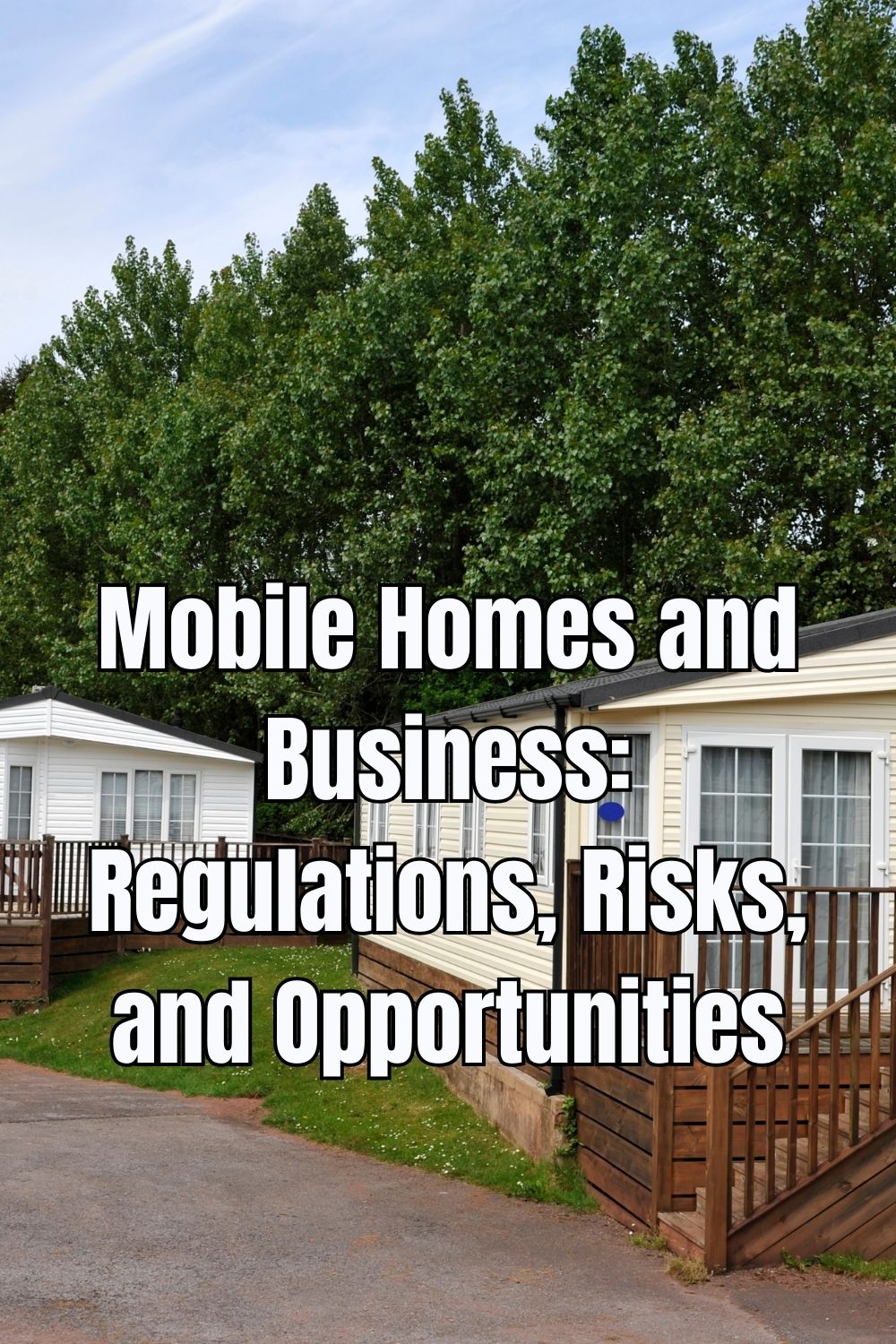
Mobile Homes and Business: Regulations, Risks, and Opportunities
Mobile homes sit in a spot between housing and small businesses. A single home can be a resale item, a rental unit, or part of a larger park operation.
Money can move quickly in this corner of housing, so the rules and the risks matter as much as the unit itself. Best opportunities show up when numbers and compliance match.
Why Mobile Homes Attract Operators
Mobile homes can start with a lower purchase price than many site-built houses, which can lower the cost of entry for a small operator. The demand driver is simple: people need places to live that fit a tight budget, and manufactured housing can meet that need in many areas.
The business angle varies by role. A buyer might flip homes, rent them long term, or buy notes tied to the home. A park owner can treat each lot as a recurring income stream, then improve cash flow through tighter management and steady upkeep.
Regulatory Lines That Shape Deals
Rules touch each step of a deal, from how a home is titled to how it can be moved and placed. Zoning, park policies, and local permitting can shape what you can do with a unit after closing, so “great deal” math can fall apart if placement is not allowed.
Florida deals can move fast when a park is sold or a home needs a quick transfer. A local Mobile Home Buyer Florida can help set a baseline price and timeline, so the business side stays clear. That baseline makes the legal checks easier to schedule and track.
A practical way to keep things straight is to separate the questions into buckets:
- Title and ownership: Is it real property or personal property, and who can sign?
- Location rules: What does the county allow, and what does the park require?
- Safety and condition: What repairs are needed to meet code and pass inspection?
- Exit plan: Will the home be sold, rented, or moved, and what will that cost?
Financing Risk And Contract Pitfalls
Many manufactured home purchases do not fit into a standard mortgage box, and that pushes buyers into costlier options.
A 2025 issue brief from Pew Charitable Trusts reported that lenders deny about half of mortgage and home-only loan applications for manufactured home purchases, which helps explain why contract-style financing shows up so often.
Contract financing can look simple on paper, but it can get messy in real life. Terms may be harder to compare, buyer protections can vary, and a missed payment can trigger faster loss of the home than a typical mortgage path.
A business buyer needs to model risk beyond the rate. Cash timing and repair costs can erase margin fast. A reserve fund helps when a sale takes longer than planned.
Florida Bill Timelines That Change Compliance
State law changes can shift what owners, managers, and buyers must do, without the home ever moving. One clean example is how a bill’s effective date sets the clock for training, forms, notices, and lease language updates.
Florida Senate records for a 2024 bill list an effective date of 7/1/2024, which matters when you review leases or park policies tied to that session’s changes.
For operators, the lesson is routine. Track effective dates, then align your processes with the version of the law that applies to the transaction date. That habit reduces “surprise” compliance issues after a deal closes.
Rent Rules, Relocation Costs, And Business Exposure
When rent rules shift, lot rent becomes a business risk, not just a tenant issue. A rent jump can raise vacancy risk and raise turnover costs, and it can affect the resale value of homes that sit on leased land.
A January 2026 report from ClickOrlando described a Florida bill that would require compensation tied to relocation, including $6,500 from the state for moving expenses, with a higher amount for multi-section homes.
For a buyer or operator, numbers like that change the downside math. If a park closes or a home must move, relocation costs can land on owners in ways that are hard to model without reading the fine print.
Stress-test your deal with a “move the home” scenario, in case the home cannot stay put.
Opportunities With A Clear Exit Plan
The most repeatable wins come from clear lanes. Buying homes that already have park approval, then focusing on safety repairs and clean paperwork, can shorten the time from purchase to resale. Renting can work too, with a clear plan to sell if a tenant leaves.
A simple exit plan starts before you buy. Know what a move would cost, know what a sale would look like inside the park, and know what happens if rules shift mid-hold. When that plan is written down, the opportunity side feels less like guesswork.
Mobile homes can be a real business, not a side hustle, and that means discipline pays. Strong deals start with clear rules, sober financing assumptions, and a change plan. Operators who treat regulation as part of the product tend to spot risks early and keep their options open.
Leave A Reply!