Is your child a restless sleeper? Discover what their mouth and breathing may reveal about their sleep patterns and health.
Is Your Child a Restless Sleeper? What Their Mouth and Breathing May Be Telling You
For a long time, I told myself it was normal.
Kids move when they sleep. Kids kick blankets off. Kids wake up cranky. That is what everyone says, right? So I repeated it to myself every time I stood in the hallway at night listening to heavy breathing through a cracked bedroom door.
But after enough mornings that started with tears, exhaustion, and frustration before breakfast, I had to admit something felt off. Not scary off. Just quietly wrong.
That was when I stopped brushing it aside and started paying attention.
The Kind of Restless Sleep No One Talks About
When people talk about sleep issues, they usually picture a child who wakes up screaming or refuses to stay in bed. That was not what I was dealing with.
My child slept through the night. Technically.
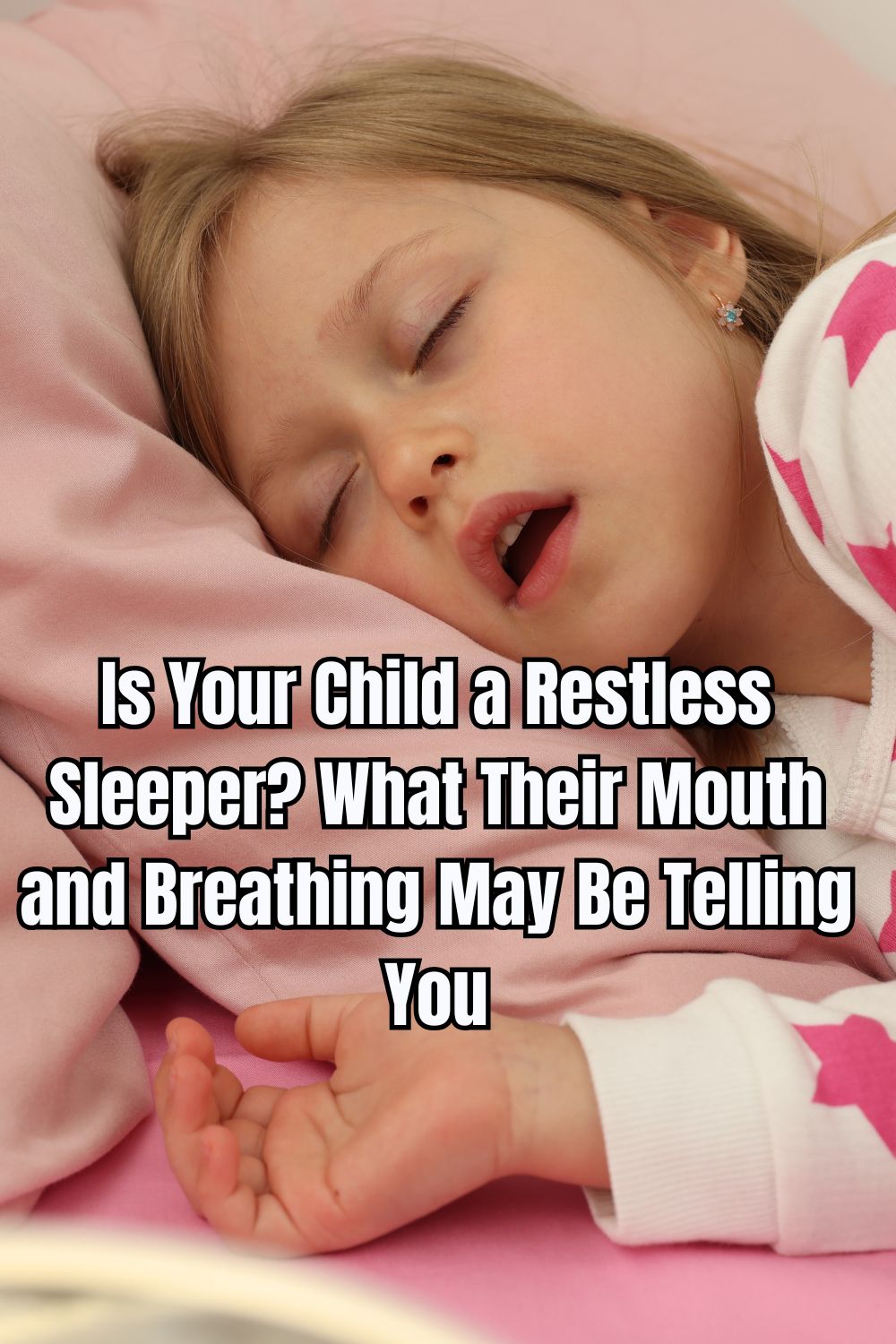
What I noticed instead was constant movement. Sheets twisted up. Pillows on the floor. A mouth that never seemed to fully close. Breathing that sounded heavy but not loud enough to call snoring.
In the morning, there was no sense of being rested. Just grogginess and irritability and a slow climb into the day that felt harder than it should.
I kept thinking, if they slept all night, why do they look so tired?
Why I Started Paying Attention to Breathing
One night, I sat on the edge of the bed and watched my child sleep. Not in a worried way. More in a curious way. That is when I noticed the open mouth and the way the chest rose and fell.
It made me wonder how long this had been happening without me noticing.
Breathing is so automatic that we rarely question it unless something is obviously wrong. But nighttime breathing is different. When kids sleep, their muscles relax. If breathing is already a little strained, sleep can become lighter and more fragmented without anyone realizing it.
The body keeps working. The brain never fully rests.
The Mouth Was Not Something I Ever Considered
I thought dental health meant brushing, flossing, and the occasional cavity. That was it.
What I did not realize was how much the mouth and jaw influence breathing. Jaw shape. Tongue position. How everything rests when the body relaxes at night.
That is when I started learning that kids dental development affects more than smiles. It affects how air flows. It affects sleep quality. It affects how refreshed kids feel in the morning.
Once I saw that connection, I could not unsee it.
Small Signs I Wish I Had Not Ignored
Looking back, there were signs that seemed insignificant at the time.
Mouth breathing during the day. Dry lips no matter how much water was offered. Dark circles that did not make sense. Teeth grinding that I only heard once or twice and then forgot about.
Individually, none of these felt urgent. Together, they painted a clearer picture.
I wish someone had told me earlier that patterns matter more than single symptoms.
How Sleep Issues Show Up During the Day
This was the part that confused me the most.
Instead of being sluggish, my child was restless. Emotional. Easily overwhelmed. Focus came and went. Some days were fine. Other days felt like a battle from start to finish.
I tried adjusting routines. Earlier bedtimes. Less screen time. More structure. Some changes helped a little. None of them solved the bigger issue.
I eventually realized that behavior was not the problem. It was the signal.
Learning About Airway Focused Dental Care
As I read more and talked to other parents, I learned that some families work with a kids airway dentist as part of understanding sleep and breathing concerns. This was not something I had ever heard of before.
What stood out to me was the focus on growth and function, not just teeth. Looking at how the jaw develops. How the tongue rests. How everything works together when a child is asleep.
It was not about jumping into treatment. It was about understanding the full picture.
What I Started Watching at Home
Before any appointments or decisions, I started observing more closely.
How did my child breathe while watching a show? Was the mouth open or closed? How did they fall asleep? How did they wake up?
I did not track everything perfectly. I just paid attention. That alone made conversations with professionals easier and more productive.
Why I Stopped Saying They Will Grow Out of It
Kids do grow out of many things. I still believe that.
But I also believe that persistent restless sleep deserves attention, especially when it affects mood, learning, and daily life. Waiting it out felt passive in a way that did not sit right with me anymore.
Awareness does not mean panic. It means being open to learning and asking better questions.
What This Changed for Our Family
Understanding the connection between sleep, breathing, and oral development changed how I approached everything.
Mornings became less chaotic. Expectations became more realistic. I stopped blaming myself and stopped labeling my child as difficult or dramatic.
Better sleep did not fix everything overnight. But it made life feel lighter.
If You Are Standing in the Hallway at Night Too
If any of this sounds familiar, trust that feeling. Not the anxious one, but the quiet nudge that says something deserves a closer look.
You do not need to have all the answers. You just need to start noticing.
Sometimes that is where real change begins.
Leave A Reply!