Is Skateboarding Really Dangerous? Discover the balance between myths and reality and find out the actual risks involved.
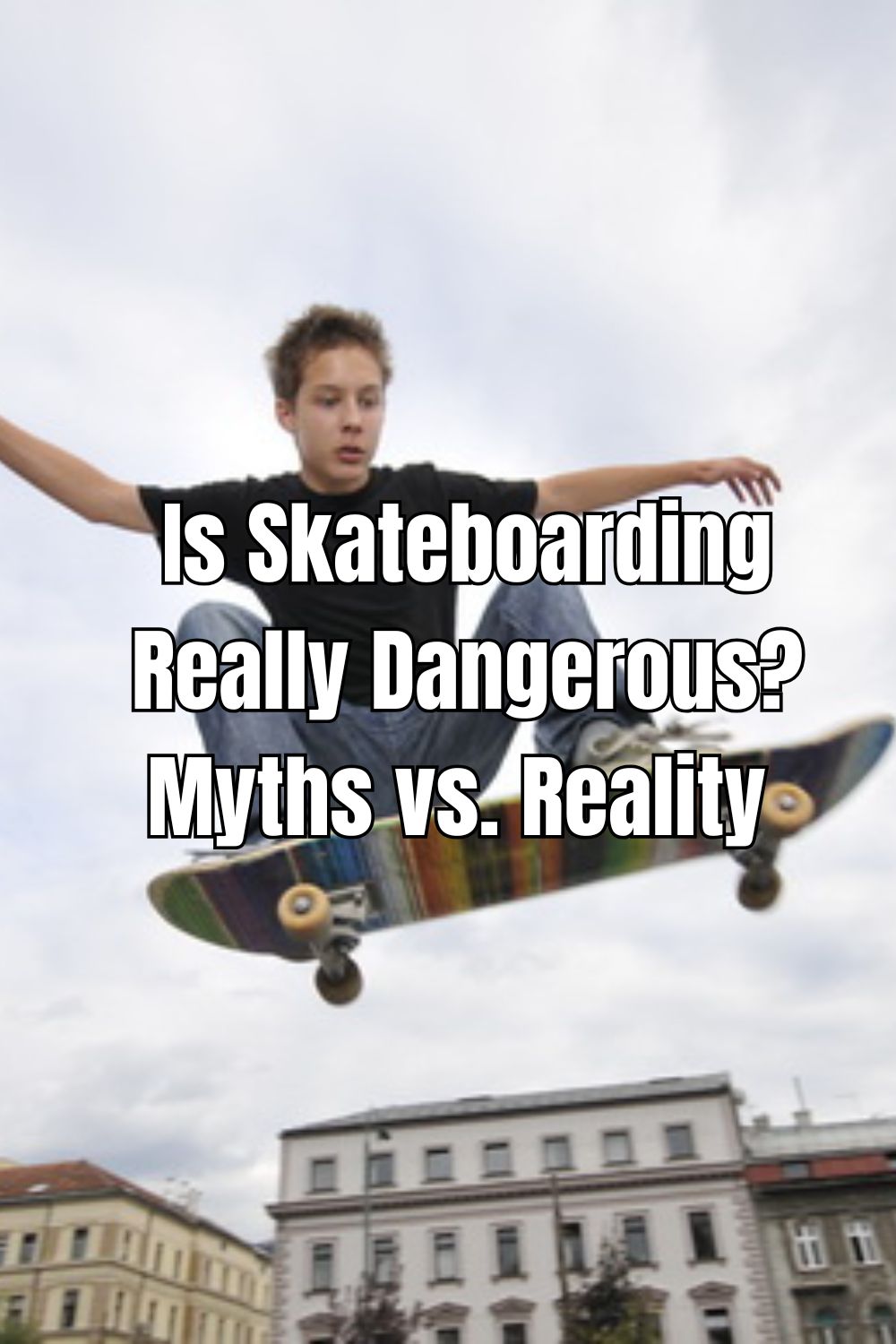
Is Skateboarding Really Dangerous? Myths vs. Reality
When people hear the word skateboarding, their minds often jump to images of daring tricks, scraped knees, and the occasional tumble. For decades, this sport has carried a reputation for being risky, sometimes even labeled as dangerous. But how much of that reputation is based on fact, and how much is simply myth? The reality of skateboarding is more balanced than many assume. Like any physical activity, it comes with challenges, but it also offers countless benefits—especially when practiced with awareness, guidance, and proper safety habits.
Myth 1: Skateboarding Is Only for Daredevils
One of the biggest misconceptions is that skateboarding is only for risk-takers who thrive on stunts. While skateboarding has its thrilling side, it’s not just about extreme tricks. Many skateboarders use their boards for simple cruising, exercise, or commuting. For beginners, learning to balance, roll, and steer can be just as rewarding as pulling off advanced maneuvers.
Reality shows us that skateboarding is a scalable activity. People can progress at their own pace, choosing whether they want to ride casually or aim for more challenging moves. In this way, it’s no more dangerous than cycling or rollerblading.
Myth 2: Injuries Are Inevitable
Another widespread belief is that if you step on a skateboard, you’re bound to get hurt. While falls are a normal part of learning, injuries are not inevitable. In fact, studies comparing sports injuries often place skateboarding below activities like football, basketball, or even soccer in terms of overall injury rates. The difference lies in how prepared the rider is.
Practicing skateboarding—such as wearing helmets, knee pads, and wrist guards—dramatically reduces the risk of serious harm. Additionally, learning in a structured environment, such as a local Philadelphia skate school, can help beginners build skills under professional guidance, which further decreases the likelihood of accidents.
Myth 3: Skateboarding Is Unsafe for Kids
Parents often worry that skateboarding is too risky for their children. While this concern is understandable, it is also rooted in myth. Skateboarding, when supervised and practiced with safety gear, is an excellent sport for kids. It teaches balance, coordination, and perseverance. More importantly, it encourages outdoor activity, something that is increasingly vital in today’s screen-heavy world.
Reality proves that children can safely enjoy skateboarding when introduced gradually. Beginner-friendly boards, flat riding surfaces, and instruction help make the learning curve smoother. Instead of shielding kids from skateboarding, guiding them through the basics creates a positive and safe introduction to the sport.
Myth 4: Skateboarding Is for Teenagers Only
Another misconception is that skateboarding is just for young people. In truth, skateboarding appeals to all age groups. Adults often pick it up as a new hobby, either revisiting a sport they loved as kids or discovering it for the first time. Some parents even learn alongside their children, turning it into a bonding activity.
Reality demonstrates that age isn’t a limiting factor—it’s about approach. Older riders may not perform high-risk tricks, but cruising, carving, and enjoying the flow of riding are accessible to anyone willing to learn.
Myth 5: Skateboarding Isn’t a Serious Sport
Because skateboarding grew out of counterculture, it’s often dismissed as a pastime rather than a legitimate sport. This perception couldn’t be further from reality. Skateboarding is not only a recognized sport but has also gained a spot in the Olympic Games. Athletes train rigorously, showcasing physical endurance, creativity, and precision.
At the community level, skateboarding provides structure and belonging. Skate parks offer safe environments where individuals of all ages can practice, connect, and challenge themselves. The sport fosters creativity, resilience, and confidence—qualities that extend well beyond the board.
Reality: Safety and Progression Matter Most
The truth about skateboarding lies somewhere between risk and reward. Like any sport, safety measures make all the difference. Wearing protective gear and progressing step by step is the key to long-term enjoyment. Beginners who take lessons or practice under guidance gain the skills to ride confidently while minimizing risks.
Even experienced riders emphasize that falling is part of the process, but with the right approach, most falls are minor and manageable. Good form, controlled environments, and attention to skateboard safety create conditions where riders can focus on fun and skill rather than fear of injury.
Benefits That Outweigh the Risks
Beyond safety, skateboarding offers benefits that make it worth trying. It’s a full-body workout, improving core strength, flexibility, and balance. Mentally, it teaches patience, persistence, and problem-solving. Socially, it brings together people from all backgrounds, fostering community and creativity.
The freedom of movement that skateboarding provides—whether on a quiet street, a skate park, or through lessons at a Philadelphia skate school—makes it more than just a sport. It’s a lifestyle that encourages self-expression and confidence.
So, is skateboarding really dangerous? The reality is that skateboarding carries risks, but they are manageable with the right mindset and safety practices. The myths exaggerate danger and overlook the tremendous personal growth and joy that come from riding. Like cycling or skiing, skateboarding has its challenges, but it’s far from being the reckless activity it’s often portrayed as.
By separating myth from reality, we can see skateboarding for what it truly is: an exciting, rewarding sport that welcomes people of all ages to roll, learn, and thrive. Instead of fearing the board, it’s time to embrace it—with safety gear on, of course.
Leave A Reply!