Create your ideal home gym with our guide on how to plan your dream home gym effectively and efficiently.
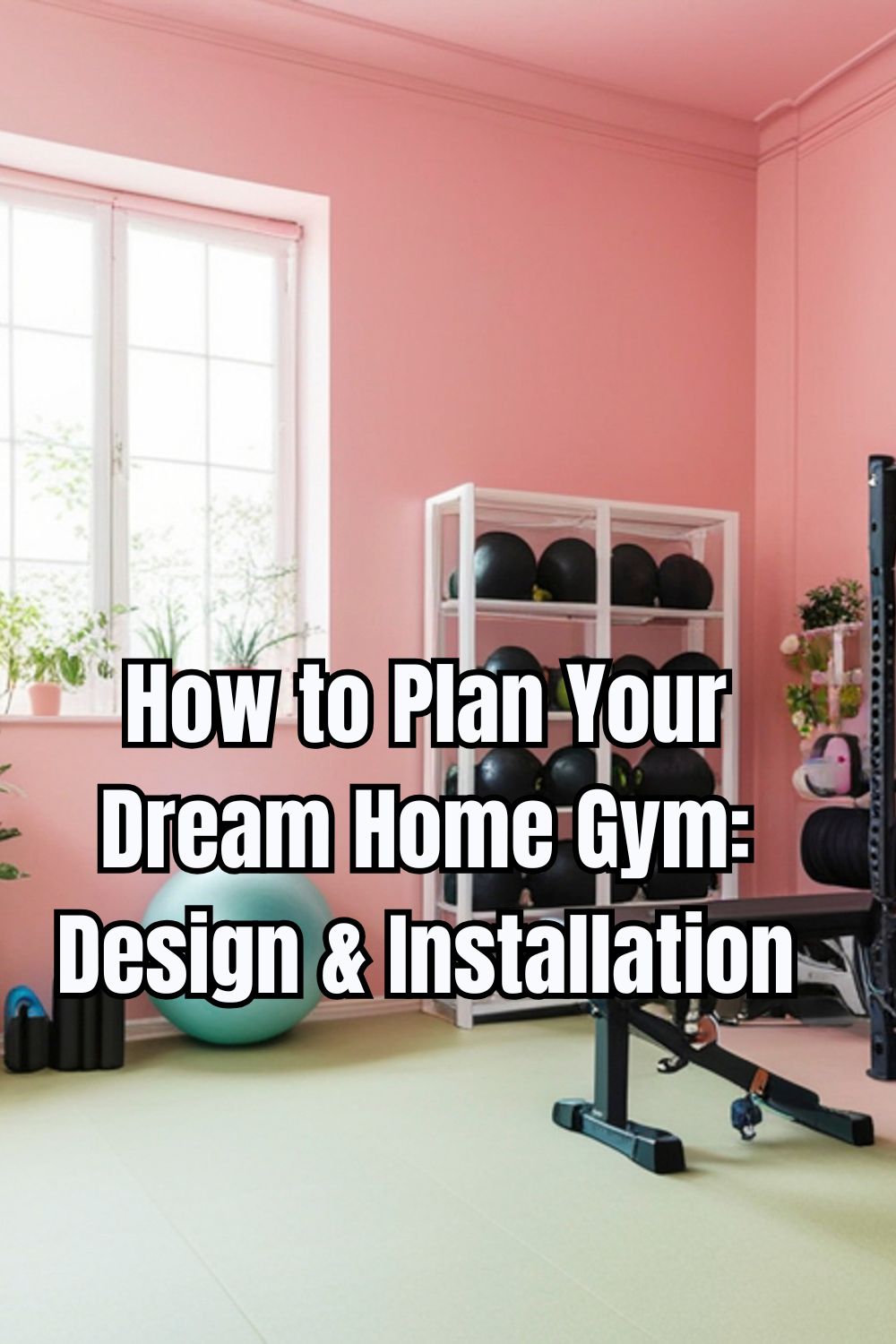
How to Plan Your Dream Home Gym: Design & Installation
Key Takeaways
- Start by assessing the available area and determining the optimal location for your home gym.
- Define your fitness goals and select equipment that best aligns with your priorities and constraints.
- Design your space with motivating colors, adequate lighting, and a practical layout.
- Invest in proper flooring, safety features, and reliable maintenance to ensure your space remains usable for years to come.
Building a home gym is a transformative step toward prioritizing your health and fitness in a way that fits seamlessly with your lifestyle. Whether you want a compact fitness nook or a full-scale luxury home gym, the process involves much more than simply reserving a space and purchasing equipment. From meticulous planning to inspired design and reliable installation, every decision you make is an investment in your well-being.
This comprehensive guide will help you design an outstanding workout space tailored to your goals and preferences, ensuring both function and motivation remain at the forefront. By thoughtfully designing your gym, you’ll increase the likelihood of actually reaching your fitness milestones, not just setting them.
Assessing Your Space
Before acquiring equipment or pieces for your gym, take stock of what you have to work with. Garages, finished basements, attics, or even a spacious corner in a living area can be converted into a fitness zone. Measure dimensions carefully, and consider the ceiling height to accommodate taller equipment or overhead lifts. Assess the lighting and ventilation, as a bright and airy environment is proven to elevate your mood and stamina during workouts.
Defining Your Fitness Goals
Personalizing your gym starts with clarifying your reasons for training. Are you trying to build strength, improve cardiovascular endurance, increase flexibility, or achieve a combination of all three? Mapping out your objectives will help you allocate space effectively and avoid unnecessary purchases. For example, those focused on weight training need a sturdy area for racks and free weights, while those drawn toward cardio might prioritize treadmills, bikes, or rowing machines. Cross-training enthusiasts should keep space available for mat work or circuit setups.
Choosing the Right Equipment
When selecting gym equipment, it’s crucial to balance your fitness goals with the available space at home. Opting for compact or multifunctional pieces—such as adjustable dumbbells, foldable benches, or versatile cable systems—can make a small workout area far more efficient. Always prioritize durability over accumulating numerous items, since well-built equipment offers better performance, greater longevity, and improved safety. To make informed decisions, read reliable reviews and look for reputable brands known for thoughtful design, innovative features, and strong safety standards.
Designing the Layout
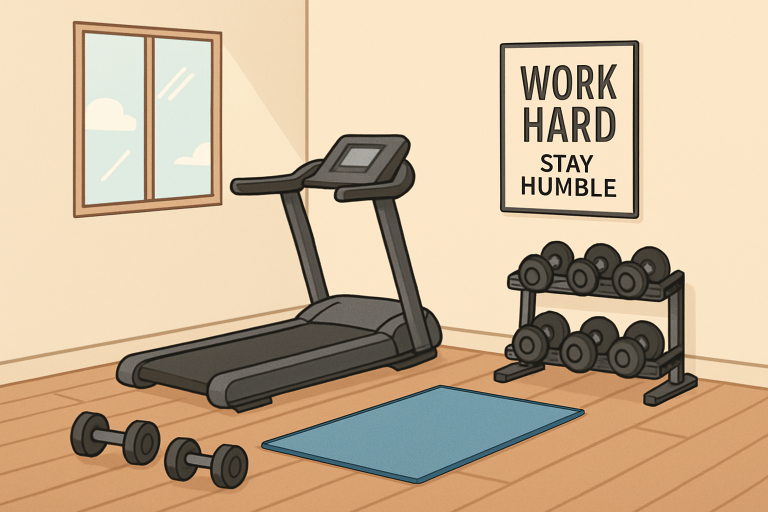
Your home gym should facilitate efficient and safe movement from one piece of equipment to the next. Position larger machines along the walls to keep open space for stretching or floor exercises. Allow clearance for any exercises that involve a full range of motion, such as yoga, Pilates, or plyometrics. Incorporate at least one full-length mirror—not just to monitor form, but also to add visual space and help brighten the room.
Incorporating Motivational Elements
Design details have a transformative effect on workout motivation. Choose dynamic paint colors or even an accent wall to energize the space. Optimal lighting—such as LED panels, natural light sources, or strategically placed lamps—can boost both mood and alertness. Amplify the ambiance by installing a sound system for playlists or adding a mounted TV for fitness classes and guided workouts. Inspiration boards, quotes, or personalized accessories serve as a reminder of your goals and progress with every session.
Flooring and Safety Considerations
The right flooring provides stability, protects against falls, and helps minimize equipment vibrations. Rubber mats or interlocking foam tiles offer an ideal balance of support and cushion. Not only do they protect your home floors from damage, but they also provide slip resistance for high-intensity intervals and plyometric drills. Securely anchor equipment to prevent tipping, and regularly check the space for any clutter or hazards that could impede safety.
Installation and Setup
Once you have the design and equipment, follow all manufacturer instructions for assembly. For complex machines, such as power racks or heavy cardio equipment, consider hiring professionals to ensure proper installation and avoid potential damage. Thoroughly test each piece before your first official workout to ensure it’s safe and operational. Correct placement and anchoring are essential for both your long-term safety and the equipment’s durability.
Maintenance and Upkeep
Maintenance extends the life of your investment. Wipe down equipment after each use to prevent the buildup of sweat and bacterial growth. Inspect regularly for signs of wear, loose bolts, or frayed cables, and address minor repairs before they escalate into significant issues. Keep your gym decluttered and organized with shelves, storage bins, or dedicated racks, which makes the space more inviting and efficient for daily workouts.
With thoughtful planning and a well-crafted design, your home gym can become a space that reflects your personal style while supporting every stage of your wellness journey. By focusing on safety, practical function, and daily motivation, you create an environment that feels inviting and energizing each time you walk in. The right layout, equipment choices, and visual touches help ensure your workouts are both effective and enjoyable. Ultimately, a carefully designed home gym becomes a place that meets your fitness needs and continually inspires you to push your limits.
Leave A Reply!