Learn how to choose the best tooth replacement option for a confident smile with our comprehensive guide and tips.
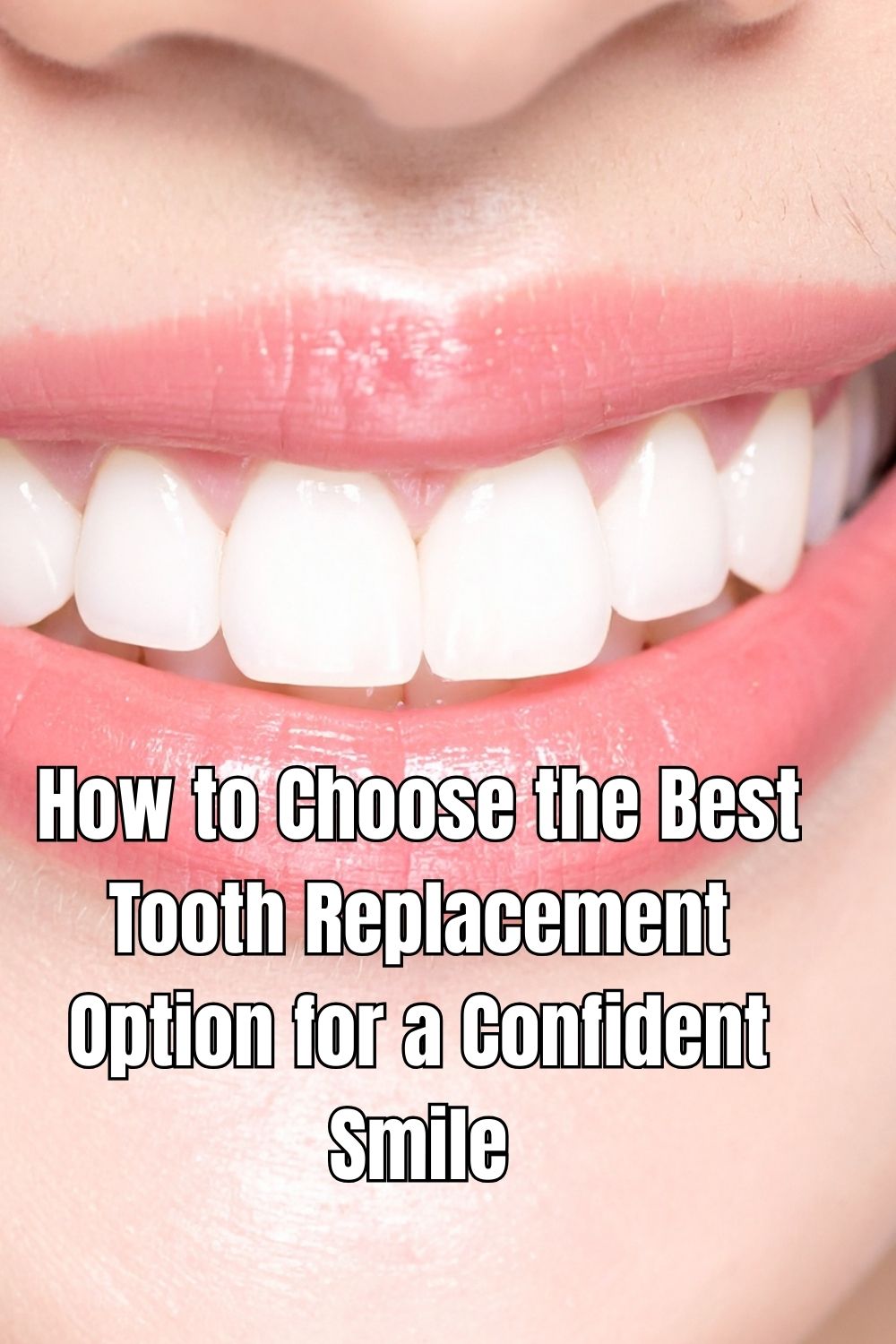
How to Choose the Best Tooth Replacement Option for a Confident Smile
Losing a tooth can change more than appearance. Daily routines like eating, speaking, and smiling may start to feel different. Some people notice these changes right away, while others feel them gradually over time. It is common to delay action because the next step feels unclear. With several modern solutions available, choosing the right option can feel overwhelming at first.
That uncertainty is normal, and no decision needs to be rushed. Each situation is unique, shaped by comfort, health, and long-term goals. For individuals exploring care options in places like New York City, understanding what each solution offers helps reduce stress. When expectations are clear and choices are informed, restoring a tooth becomes a confident, manageable decision.
Understanding Your Smile and Personal Needs
Every smile has different needs, which is why no single solution fits everyone. Lifestyle habits, comfort expectations, and long-term plans all influence the right choice. Some people prioritize tooth stability during meals, while others prioritize appearance or ease of maintenance. These priorities help guide the decision process.
Health factors also matter. Bone support, gum condition, and overall wellness affect which option works best. This is where professional guidance becomes important. A thoughtful evaluation helps narrow choices and prevents unnecessary steps. Taking time to understand personal needs ensures that any restored tooth supports comfort, confidence, and lasting satisfaction.
Exploring the Most Common Replacement Options
Modern care offers several reliable ways to restore function and appearance, and each option fits different needs and lifestyles. Reviewing these choices side by side helps make decisions clearer and prepares readers to explore the options that follow when replacing a missing tooth.
1. Biologic Dental Implant
Modern replacement options have evolved to include biologic solutions designed to work with the body naturally. These systems are placed securely to function like a natural root, supporting chewing, speaking, and daily comfort. Unlike removable appliances, this approach helps preserve surrounding bone and gum tissue. Many people appreciate how biologic methods support long-term oral balance while reducing irritation and inflammation around sensitive areas.
For example, when exploring dental implants in NYC, it helps to consider providers who prioritize whole-body wellness. Experts like Dr. Gerry Curatola focus on biologic care using materials and techniques that support natural integration. This thoughtful approach helps each restored tooth feel comfortable, function reliably, and align with long-term health goals.
2. Fixed Dental Bridges
Bridges are designed to fill gaps by anchoring a replacement between nearby structures. This option can restore appearance and basic function fairly quickly. Many people choose bridges because they feel stable once adjusted and do not require removal.
However, bridges rely on surrounding support, which may require reshaping adjacent areas. Over time, maintenance may be needed. Bridges can work well in certain situations, especially when neighboring support is strong, and expectations are clear for replacing a missing tooth.
3. Partial Removable Options
Partial removable solutions are often chosen for flexibility and accessibility. They can replace one or several missing areas and are easy to adjust over time. Many people appreciate that this option does not involve complex procedures.
Comfort can vary depending on fit and use. With proper care and regular adjustments, modern designs can feel more natural than expected. This option may suit individuals looking for a practical way to restore a tooth while keeping future choices open.
4. Full Removable Solutions
Full removable solutions are used when several areas are missing. They help restore structure and support daily function. Adjustment takes time, and patience is important during the early phase.
With guidance and regular care, many people adapt well. Ongoing adjustments help improve comfort and stability. This option can restore balance and confidence when chosen with realistic expectations and proper support.
5. Temporary or Transitional Solutions
Temporary options are used during the healing or planning stages. They help maintain appearance and spacing while preparing for a permanent solution. These are not meant for long-term use but play an important role in the overall process.
Benefits include:
- Preserving spacing and alignment
- Maintaining appearance during transitions
- Supporting comfort while planning next steps
These solutions help protect the area until a final tooth replacement decision is made.
Cost, Healing Time, and Long-Term Care
Each option involves different timelines and care needs. Some choices require longer healing periods, while others adjust more quickly. Understanding these differences helps avoid frustration later. Long-term maintenance also varies and should match lifestyle preferences.
Important considerations include:
- Healing duration and follow-up visits
- Daily care requirements
- Long-term durability and comfort
Planning ahead ensures that the restored tooth fits smoothly into everyday life without added stress.
Conclusion
Choosing the right replacement option is a personal process shaped by comfort, health, and long-term goals. Taking time to understand choices and seek thoughtful guidance helps reduce uncertainty. With clear information and realistic expectations, restoring a missing tooth becomes a confident step forward. Modern solutions offer reliable paths toward comfort, balance, and everyday ease.
Leave A Reply!