Discover how infant daycare supports early learning and play through nurturing environments and responsive interactions.
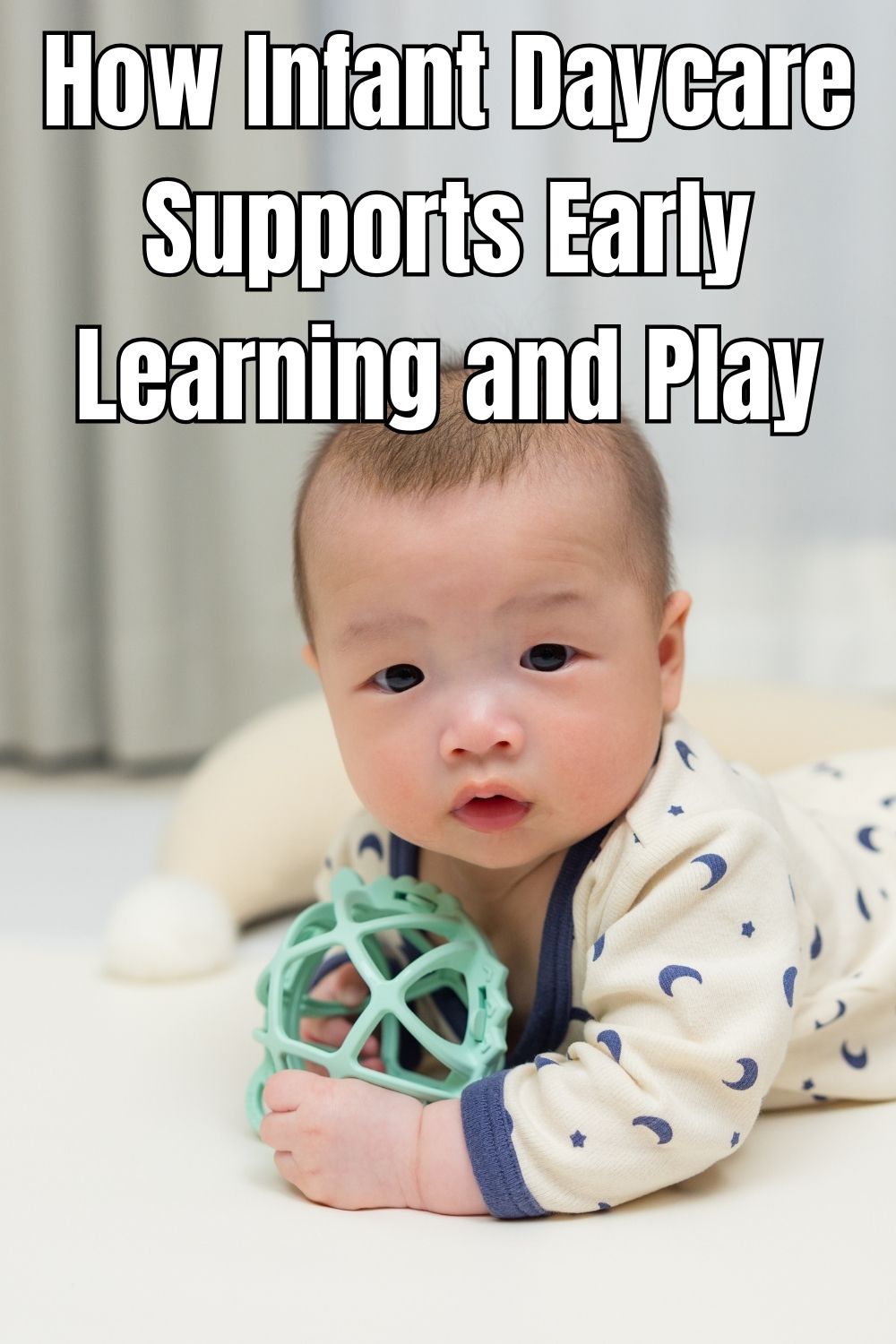
How Infant Daycare Supports Early Learning and Play
Little hands grip, let go, and reach out once again. The start of discovery is found in those repetitive motions. Growth occurs at a startling rate throughout the first year of life and is influenced by movement, touch, sound, and connection. That unfolding can be thoughtfully and purposefully nurtured in environments created especially for babies.
In a good quality infant daycare program, daily routines are designed based on developmental preparedness and not on strict schedules. Caregivers are watchful and responsive to cues, providing experiences that stretch new abilities in a non-challenging way. Very young children are given the chance to explore things without overwhelming their senses through responsive interaction and well-prepared spaces.
Sensory Exploration as a Foundation for Learning
Shallow water bowls, crinkly paper, tactile balls, and soft textiles offer much more than entertainment. Infants are encouraged to compare, test, and react through sensory items. Cool surfaces are pressed against by fingers. Eyes follow patterns with contrast. Ears pick up on minute changes in sound.
Repeated stimulation fortifies neural pathways. Every new experience creates links that help with subsequent cognitive abilities. A newborn starts to understand cause and effect when they shake a rattle and hear a sound. As simple activities yield predictable results, curiosity increases.
Environments that are thoughtfully set up reduce visual clutter and excessive loudness. Babies can concentrate on one experience at a time in calm environments, which lowers stress and increases participation.
Building Motor Skills Through Guided Movement
Even though rolling across a padded mat seems simple, it requires balance, muscle, and coordination. Neck control is encouraged by structured tummy time. Low mirrors encourage turning and lifting. Early crawling attempts are supported by soft climbing shapes.
Teachers place resources close at hand but out of reach. Stretching in the direction of a toy helps develop spatial awareness and core stability. By strengthening bilateral coordination, reaching across the body prepares the body for subsequent tasks like putting on clothing and writing.
The development of fine motor skills is given equal consideration. Lightweight toys made for little fingers promote grasping skills. Hand-eye coordination is promoted by simple stacking rings. Over time, repetition improves accuracy.
Language Development Begins with Interaction
Infants absorb language long before they can articulate it. Carers respond to chattering with sincere delight, explain sensations, and recount actions. The rhythm of a discussion is established by back-and-forth interactions.
Speech patterns are introduced through songs and rhythmic chanting. Verbal clues combined with facial expressions improve understanding. Vocabulary gradually grows when an adult consistently identifies objects or emotions.
Social interaction is essential to the development of communication. Play that involves shared attention improves comprehension of tone and gestures. Through careful conversation, babies start to associate meaning with sound.
Encouraging Emotional Security and Trust
Confident exploration is based on secure attachment. Infants who get responsive care feel reassured that their needs will be satisfied. Routines that are predictable aid in regulating and help young children prepare for changes.
Anxiety decreases with familiar voices and comforting objects. Safety is reinforced by warm physical contact during feeding or relaxing moments. Babies are more inclined to explore the world and try new things as their trust grows.
Every other area of development is influenced by emotional stability. When an infant feels safe, they are more willing to explore their environment, try new things, and engage with others.
Early Social Awareness in Group Settings
Infants pay close attention to one another even before they can speak. Watching a classmate grasp for a toy encourages imitation. Connection is forged through shared laughter during a light-hearted exchange.
Carers show polite contact and take turns while facilitating gentle interactions. Being around other kids makes them more conscious of their body language and facial expressions. With time, empathy starts to develop.
Moreover, group settings promote flexibility. When properly led, learning to sleep in the presence of gentle background noise or acclimatise to shared space fosters resilience without causing anxiety.
Milestones Supported Through Thoughtful Practice
All children develop at a different rate. Caregivers who are developmentally informed are aware of minute changes, where success is celebrated, and assistance is given during difficulties. Rolling becomes sitting. Babbling develops into the first words. Crawling is replaced by tentative steps.
Purposeful scheduling will make sure that every milestone will be supported without any pressure. Activities are modified according to readiness, which avoids frustration while maintaining gentle challenge.
Infant-friendly early childhood environments can be fruitful. Babies learn skills through sensory exploration, facilitated movement, responsive communication, and safe relationships that determine subsequent learning. The first months can be an influential part of a lifetime of learning when the environments are sensitive to developmental rhythms and give attentive care.
Leave A Reply!