Understand the effects of aging infrastructure on workplace productivity and how it can hinder employee performance.
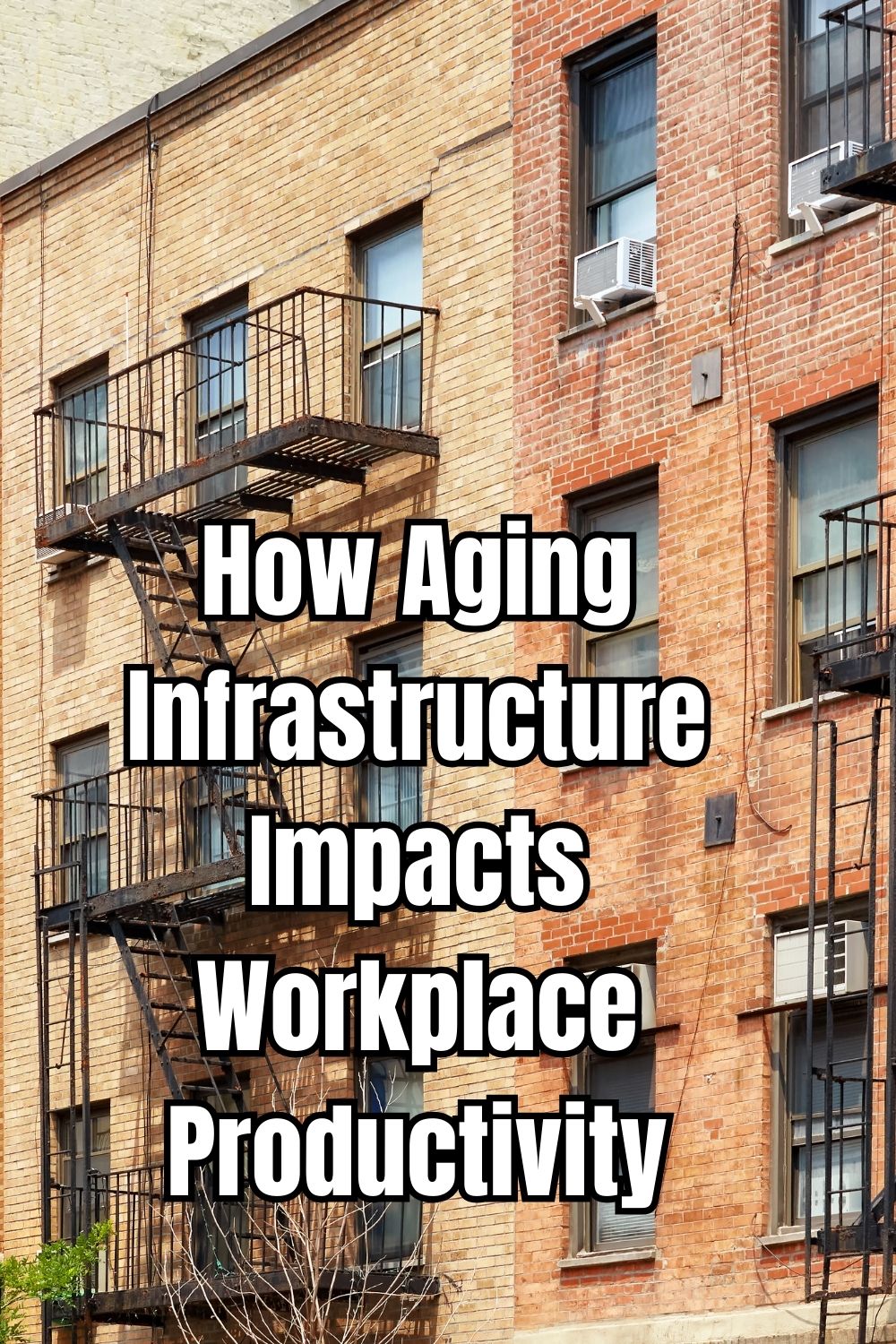
How Aging Infrastructure Impacts Workplace Productivity
Modern workplaces rely on more than just skilled teams and effective management—behind the scenes, the quality of a building’s infrastructure plays an essential role in maintaining operational efficiency. Aging infrastructure, from outdated mechanical systems to deteriorating building structures, can quietly but significantly erode productivity. As systems degrade over time, they become less reliable, less efficient, and more costly to maintain, all of which can hinder employees’ ability to perform at their best.
Aging infrastructure leads to worse employee performance, through no fault of their own. And when employees aren’t able to perform at their best, workers compensation cases brought about by firms like Rainwater, Holt & Sexton Injury Lawyers are more likely. Workers don’t have the right tools to do their job, right down to the finer details like desk work comfort and air quality.
While new facilities are often designed to maximize comfort, safety, and efficiency, older buildings may struggle to keep pace with modern workplace demands. When problems go unresolved, they can result in equipment breakdowns, environmental discomfort, safety hazards, and wasted time—each of which carries direct and indirect costs for organizations. Understanding the ways aging infrastructure undermines productivity is vital for businesses aiming to maintain smooth operations in the face of inevitable wear and tear.
Climate Control Systems and Workplace Comfort
One of the most noticeable ways aging infrastructure impacts productivity is through environmental control systems, particularly heating, ventilation, and air conditioning. A comfortable indoor climate is essential for focus, morale, and health, yet older systems often struggle to maintain consistent conditions. An air conditioner that cycles inefficiently, leaks coolant, or produces uneven temperatures can lead to discomfort, employee fatigue, and even disputes over thermostat settings. Over time, such conditions can create a subtle but constant distraction.
Moreover, the efficiency of older systems declines as components wear out. Compressors weaken, ductwork accumulates debris, and electrical systems fail to regulate performance optimally. This not only increases energy costs but also forces maintenance teams into a reactive cycle of repairs rather than proactive upkeep.
In some cases, your commercial AC may need to be replaced to restore both comfort and energy efficiency, as repeated patchwork fixes rarely address the core problems in outdated units.
Consistent, reliable climate control is more than a comfort feature—it’s a productivity safeguard. Employees working in spaces that are too hot, too cold, or prone to sudden temperature shifts often experience reduced concentration, more frequent breaks, and higher levels of fatigue.
Electrical Systems and Technological Reliability
Electrical systems form the backbone of modern work environments, powering everything from basic lighting to complex computer networks. In aging buildings, outdated wiring, insufficient circuit capacity, and unreliable power distribution can create recurring disruptions. Frequent outages, flickering lights, or voltage fluctuations not only halt work temporarily but also risk damaging sensitive electronics.
As organizations adopt more advanced technologies, the strain on old electrical infrastructure intensifies. Systems designed decades ago may not accommodate today’s load demands, leading to overloaded circuits and increased fire hazards. Beyond the safety concerns, these limitations can slow digital workflows, delay project timelines, and reduce overall efficiency.
Plumbing and Water Supply Challenges
While plumbing issues may seem secondary to productivity, their effects can be surprisingly disruptive. Leaks, low water pressure, or unreliable hot water can interfere with basic hygiene, kitchen operations, and employee comfort. In severe cases, plumbing failures can lead to water damage, mold growth, and extended downtime while repairs are made.
Older pipes are prone to corrosion, mineral buildup, and joint failures, particularly in facilities where original plumbing has never been replaced. These problems may develop slowly, escaping notice until a major issue forces immediate and costly intervention. The presence of persistent leaks or unpleasant water odors can also affect workplace morale, contributing to a sense that the work environment is neglected or unsafe.
Structural Integrity and Safety Concerns
The physical condition of a building has a profound influence on workplace confidence and efficiency. Cracks in walls, sagging ceilings, or worn flooring can create safety hazards and reduce the perceived professionalism of a workspace. Employees working in visibly deteriorating surroundings may feel undervalued, which can subtly impact motivation and engagement.
Beyond aesthetics, compromised structural elements can trigger more serious issues, including compliance violations and liability risks. For example, damaged stairwells, failing handrails, or warped flooring can increase the likelihood of workplace accidents. In situations where injuries occur due to neglected maintenance, affected individuals may seek clarity on their rights by contacting an attorney to better understand potential liability.Such incidents can lead to time lost to injury recovery, legal disputes, and higher insurance premiums.
Air Quality and Health Implications
The quality of indoor air has a direct effect on employee well-being, cognitive performance, and absenteeism rates. Aging buildings often suffer from inadequate ventilation, clogged filters, and accumulated pollutants within duct systems. Poor air quality can exacerbate respiratory issues, trigger allergies, and increase susceptibility to illness, factors that contribute to reduced productivity and higher sick leave rates.
A stale, stuffy, or dusty work environment not only undermines comfort but also diminishes alertness and focus. When employees struggle to stay mentally sharp due to environmental factors, productivity inevitably declines.
Lighting Systems and Cognitive Performance
Lighting plays an often-underestimated role in workplace productivity. Insufficient or inconsistent lighting can cause eye strain, headaches, and reduced alertness, while excessive glare can create visual discomfort. In older buildings, outdated fluorescent fixtures may flicker, hum, or provide uneven illumination, all of which subtly erode focus.
Modern lighting systems incorporate energy-efficient LEDs, adjustable brightness levels, and natural light integration to create environments that enhance concentration and reduce fatigue. In contrast, relying on outdated lighting technology may lead to increased maintenance needs and higher utility bills without delivering the same productivity benefits.
Communication Infrastructure and Workflow Efficiency
The ability to communicate quickly and clearly is fundamental to modern business operations. Aging infrastructure often includes outdated telecommunication wiring, limited data bandwidth, and unreliable network hardware. These limitations can slow internet speeds, disrupt video conferences, and impede the sharing of large files—all of which create friction in collaborative workflows.
In an increasingly digital business landscape, slow or unstable communication systems directly translate to lost time and missed opportunities. Employees forced to wait for file uploads, repeat dropped calls, or troubleshoot outdated systems spend less time on meaningful work.
Deferred Maintenance and the Cost of Downtime
One of the most significant but often overlooked impacts of aging infrastructure is the cost of downtime caused by deferred maintenance. Postponing necessary repairs or upgrades may seem cost-effective in the short term, but it often results in larger, more disruptive failures later on. Unexpected breakdowns can force entire departments to pause work, delay deadlines, and incur emergency repair expenses.
Aging infrastructure is more than a background concern—it’s an active force that shapes the daily experiences and productivity of employees. Every malfunction, from inconsistent climate control to outdated wiring, introduces small but cumulative obstacles to effective work. Over time, these inefficiencies can erode morale, increase costs, and diminish a company’s competitive edge.
Leave A Reply!