Discover simple habits for maintaining happy teeth. Your smile can transform your confidence and overall well-being.
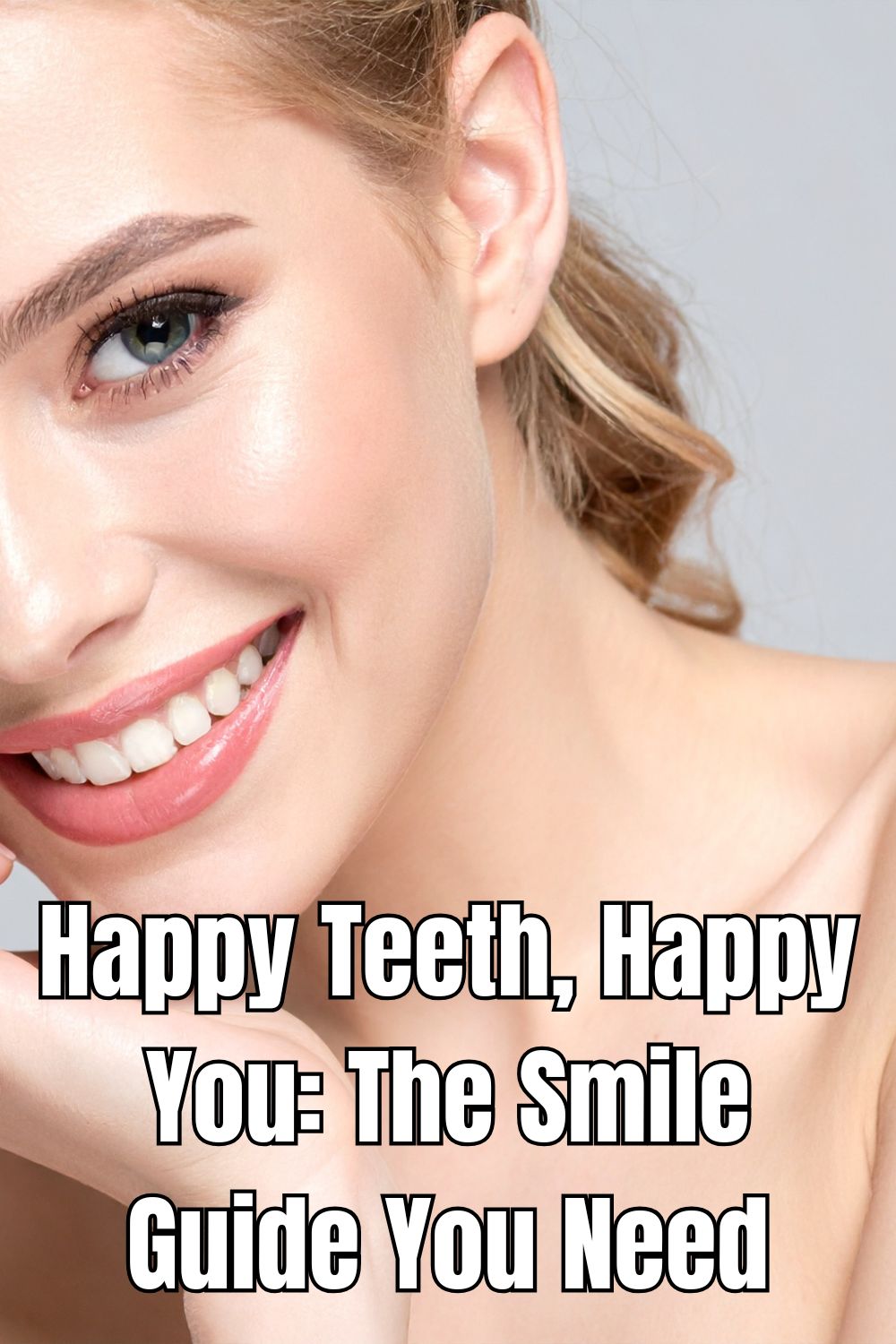
Happy Teeth, Happy You: The Smile Guide You Need
Your smile is one of the first things people notice. It shows how you feel, how you connect, and how healthy you are. But too often, we ignore the health and look of our teeth until something goes wrong. Think of all the times you’ve covered your mouth when laughing or skipped pictures because your teeth didn’t look their best. Now imagine walking into a room with a smile that lights up the space — confident, bright, and healthy. That kind of smile doesn’t just change how others see you. It changes how you feel about yourself.
Here, we’ve highlighted some simple steps and smart habits that keep your teeth happy — and you smiling more every day.
Teeth Whitening: Brighten Your Smile with Professional Care
Many people notice that their teeth lose brightness over time. Discoloration can happen for several reasons. Drinks like coffee and tea, certain foods, smoking, and even natural aging can stain enamel.
Teeth whitening offers a simple way to restore a brighter look and boost confidence. When your smile looks fresher, you often feel more comfortable in social situations, photos, and everyday conversations. While many DIY whitening treatments appear online, they don’t always deliver safe or reliable results. Some products can irritate gums or damage enamel when used incorrectly.
That’s why it makes sense to schedule an appointment with a trusted dental facility like Oakmont Family Dental. Their professional whitening services focus on safe, effective care that helps patients achieve noticeable results without unnecessary risks. With expert support, you can brighten your smile in a way that protects your teeth and gives you a confidence lift.
Daily Habits That Keep Teeth Strong
Strong, healthy teeth come from the small choices you make every day. Brushing twice daily helps remove plaque and bacteria before they cause damage. It’s important to brush gently but thoroughly, paying attention to the gumline where buildup often starts.
Flossing also matters because brushing alone cannot reach between teeth. Food particles and plaque hide in those spaces, and flossing helps prevent cavities and gum problems. Mouthwash can add extra support by reducing bacteria and keeping breath fresh, but it works best when paired with brushing and flossing, not as a replacement.
Foods That Help—or Hurt—Your Teeth
What you eat affects your teeth more than you might expect. Some foods support dental health by strengthening enamel and keeping gums in good shape. Dairy products provide calcium, crunchy fruits and vegetables help clean the teeth naturally, and drinking water rinses away particles that can cause decay.
On the other hand, sugary snacks and acidic drinks can weaken enamel over time. Soda, candy, and frequent snacking create an environment where bacteria thrive. Even foods that seem harmless, like dried fruit, can stick to teeth and lead to cavities if you don’t clean properly afterward.
You don’t have to avoid every treat, but balance matters. Eating tooth-friendly foods more often and limiting sugary habits helps your smile stay stronger for the long term.
The Importance of Regular Dental Check-Ups
Regular dental visits help you stay ahead of problems before they become painful or expensive. Many dental issues start quietly, and a dentist can spot early signs of decay, gum disease, or other concerns that you might miss at home.
Professional cleanings remove hardened plaque that brushing cannot handle. These appointments also give you a chance to ask questions and get advice that fits your specific needs. When you go consistently, you reduce the chances of needing major treatments later.
How to Handle Tooth Pain and Sensitivity
Tooth pain can feel frustrating because it often shows up when you least expect it. A sudden ache while eating or a sharp sting from something cold can make everyday moments uncomfortable. Sensitivity happens for many reasons, including worn enamel, gum recession, or even cavities. Sometimes the discomfort stays mild, but other times it signals a bigger issue that needs attention.
It helps to notice patterns. If pain comes and goes quickly, you may manage it with a toothpaste designed for sensitive teeth and by avoiding extremely hot or cold foods. But if the pain lingers, gets worse, or affects sleep, it’s important to contact a dentist. Waiting too long can allow a small issue to become more serious.
Bad Breath: Causes and Fixes
Bad breath can feel embarrassing, but it’s also very common. In many cases, it comes from bacteria buildup in the mouth, especially when food particles remain between teeth or on the tongue. Skipping flossing, brushing too quickly, or not drinking enough water can make it worse.
Sometimes bad breath points to gum disease or untreated cavities, which is why it shouldn’t be ignored if it becomes frequent. Dry mouth also plays a role, since saliva helps wash away bacteria naturally. Simple changes like drinking more water, cleaning your tongue, and keeping up with dental visits can make a big difference.
Teeth Alignment and Your Self-Image
The way your teeth look can affect how you feel about your smile. Crooked, crowded, or uneven teeth may cause some people to hide their smile or feel self-conscious in photos. Alignment isn’t only about appearance, though. When teeth don’t sit properly, cleaning becomes harder, and plaque can build up in difficult-to-reach areas.
Orthodontic options have improved a lot over the years, and many adults now explore treatments that fit their lifestyle. Straightening teeth can support better oral health while also boosting confidence.
Feeling good about your smile often changes the way you carry yourself. When you feel comfortable showing your teeth, you tend to smile more freely, and that affects how you connect with others.
Long-Term Smile Care: What to Expect as You Age
As you get older, your dental needs may change, but caring for your teeth stays just as important. Enamel naturally wears down over time, and gums may become more sensitive. Some people also deal with dry mouth due to medications or health conditions, which can increase the risk of cavities.
Strong habits can keep your teeth healthy at every stage of life. Regular cleanings, gentle brushing, and addressing issues early help keep your teeth in good shape. Aging doesn’t mean losing your smile. With the right care, you can maintain healthy teeth and gums well into later years.
A happy smile starts with smart care and simple habits. Oral health affects much more than appearance, and taking care of your teeth supports confidence, comfort, and overall wellness. When you pay attention to the changes your teeth go through, you give yourself the chance to enjoy life without holding back your smile. The best part is that every small step you take today builds a future where smiling feels easy, natural, and fully yours.
Leave A Reply!