Learn smarter ways to approach home changes without overdoing it. Focus on practical updates that enhance comfort and safety.
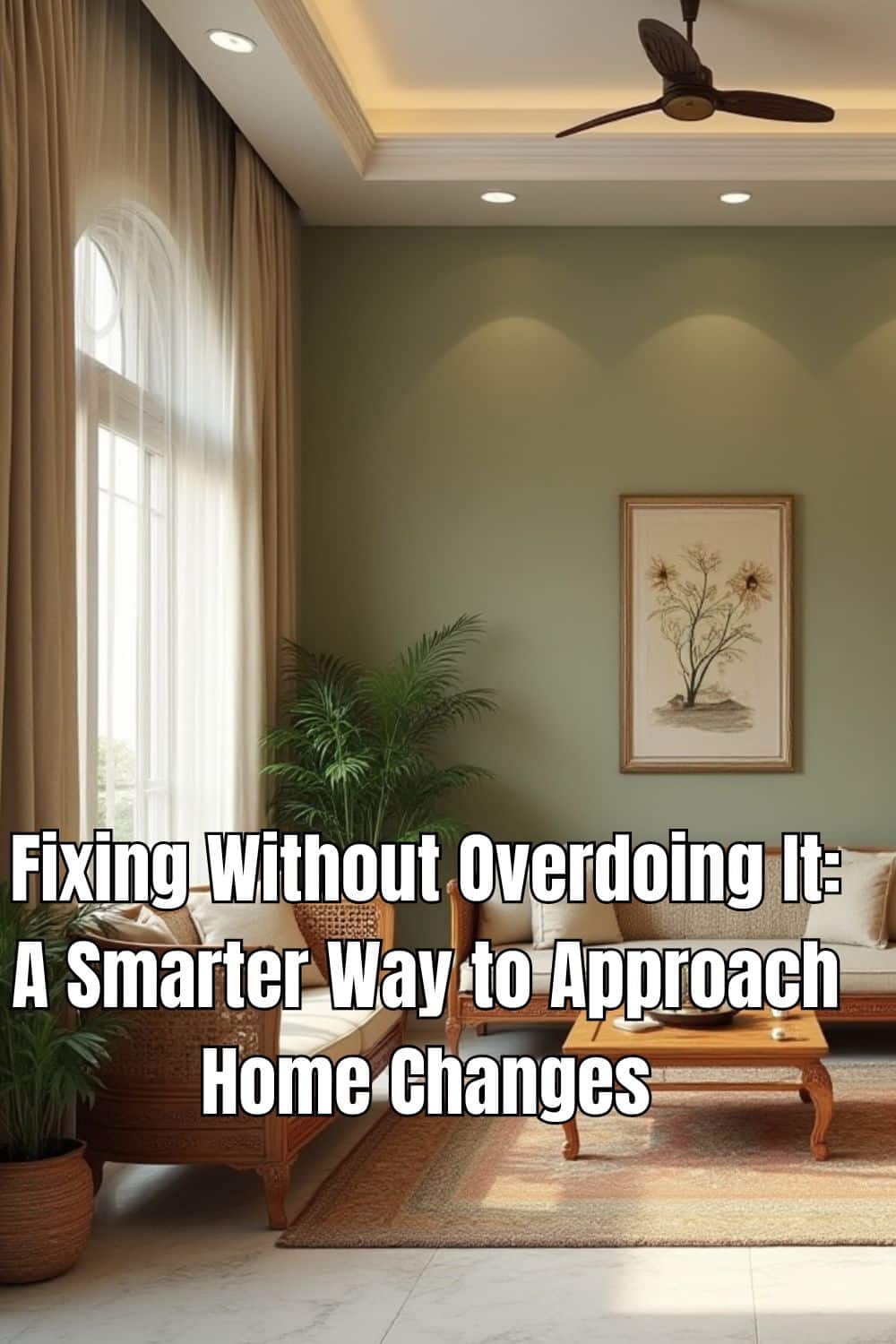
Fixing Without Overdoing It: A Smarter Way to Approach Home Changes
Making updates can feel exciting, but rushing into big changes often leads to regret. Many people assume larger projects always bring better results, yet that rarely holds true. Smart improvements start with understanding what actually needs attention. Small, focused updates often improve comfort, safety, and daily routines without draining your budget. When key features stop working as they should, ignoring them only adds stress later. A thoughtful approach helps you stay in control while keeping things practical. Instead of chasing trends or overhauling everything at once, it pays to focus on what supports everyday living. This mindset leads to choices that feel intentional, useful, and easier to manage over time.
Here’s how you can maintain your home:
Knowing the Difference Between a Fix and an Upgrade
Understanding whether you need a fix or an upgrade helps you avoid wasted effort. A fix focuses on restoring function when something no longer works the right way. An upgrade aims to improve appearance, performance, or convenience beyond the original setup. Mixing these goals often leads to overspending or half-finished work. When you pause to define the real problem, decisions become clearer. Ask yourself if the issue affects safety, daily use, or comfort. If it does, a fix usually comes first. Visual changes can wait until core features work smoothly again. Clear thinking at this stage keeps projects manageable and prevents unnecessary changes that add little real value.
When Garage Doors Deserve Attention
Garage door systems play a bigger role than many people realize. When they struggle to open, close unevenly, or make loud noises, it signals more than minor wear. In these cases, garage door replacement becomes a practical option rather than a cosmetic one. Reliable repair services can include inspections, new door options, opener upgrades, and safety enhancements. Their team helps match materials, styles, and features to real needs, not just appearance. They also focus on smooth operation and reliability, which supports daily routines. Choosing expert help here reduces future headaches and keeps things running the way they should.
Why Small Problems Often Signal Bigger Issues
Minor issues rarely stay small for long. A slow response, uneven movement, or strange sound often points to deeper trouble. Many people brush these signs aside, hoping they will disappear on their own. That approach usually leads to higher costs later. Addressing concerns early gives you more options and less pressure. It also helps avoid sudden breakdowns that interrupt daily schedules. Paying attention to these warning signs allows you to act on your terms instead of reacting during an emergency. Small adjustments made at the right time often prevent major disruptions and keep important features working as intended.
Balancing Appearance With Daily Use
Visual appeal matters, but it should never outweigh daily function. Features that look great but fail under regular use quickly lose their charm. When planning changes, think about how often you interact with the feature and what you expect from it. Durability, ease of use, and reliability deserve more attention than trends. A clean design paired with solid performance often delivers the best experience. Choosing materials and features that suit your routine helps avoid frustration. This balance leads to updates that feel satisfying long after installation day passes.
Budgeting Without Cutting Corners
Setting a clear spending range helps you stay focused and confident. A realistic budget guides decisions and prevents impulse choices that stretch finances too far. While it may feel tempting to choose the cheapest option, quality often pays off over time. Focus spending on areas tied to safety and daily convenience first. Ask clear questions about materials, lifespan, and service support before committing. Thoughtful budgeting supports smarter decisions and reduces the risk of repeat work. When you plan with purpose, each dollar works harder and brings lasting benefits.
Avoiding the Trap of Over-Improvement
Doing too much at once often creates new problems. Over-improvement can overwhelm a space and strain resources without adding real value. Updates should match the structure’s size, style, and actual needs. Adding features that rarely get used leads to clutter and extra upkeep. Instead, choose changes that serve a clear purpose. Simple improvements done well often outperform complex projects done quickly. This approach keeps everything feeling balanced and intentional. Restraint plays a key role in creating results that feel right rather than forced.
Why Professional Guidance Matters
Experience makes a noticeable impact on results. Skilled technicians spot issues that most people overlook. They understand how different parts work together and where problems tend to develop. Professional guidance also helps narrow options, saving time and stress. Instead of guessing, you get clear explanations and realistic recommendations. This support leads to better choices and fewer surprises. Working with trained experts brings confidence and clarity to decisions that might otherwise feel overwhelming.
Timing Projects the Smart Way
Good timing often shapes the success of any update. Planning ahead allows flexibility and better scheduling. It also gives you time to compare options without pressure. Seasonal factors can affect availability and pricing, so thinking ahead pays off. Acting before small issues worsen keeps control in your hands. Smart timing reduces disruption and keeps routines steady. When you plan instead of react, projects feel smoother from start to finish.
Making Changes That Actually Add Value
Real value comes from improvements that support everyday living. Buyers and residents alike appreciate features that work reliably and feel easy to use. Focus on updates that improve safety, access, and comfort rather than flashy extras. Well-chosen changes often stand out because they make life easier. Keeping things practical helps improvements age well. Value grows when updates feel thoughtful and purposeful.
A smarter approach to updates starts with restraint and clarity. Big changes are not always better, and thoughtful fixes often deliver stronger results. When you focus on function, timing, and expert input, decisions feel easier and more confident. Small steps taken at the right moment prevent stress and unexpected costs later. By staying intentional and realistic, you create improvements that support daily life without going overboard. This balance keeps projects manageable and outcomes satisfying for years to come.
Leave A Reply!