Ensure your family road trip safety with our expert tips on preparing for unforeseen challenges on your journey.
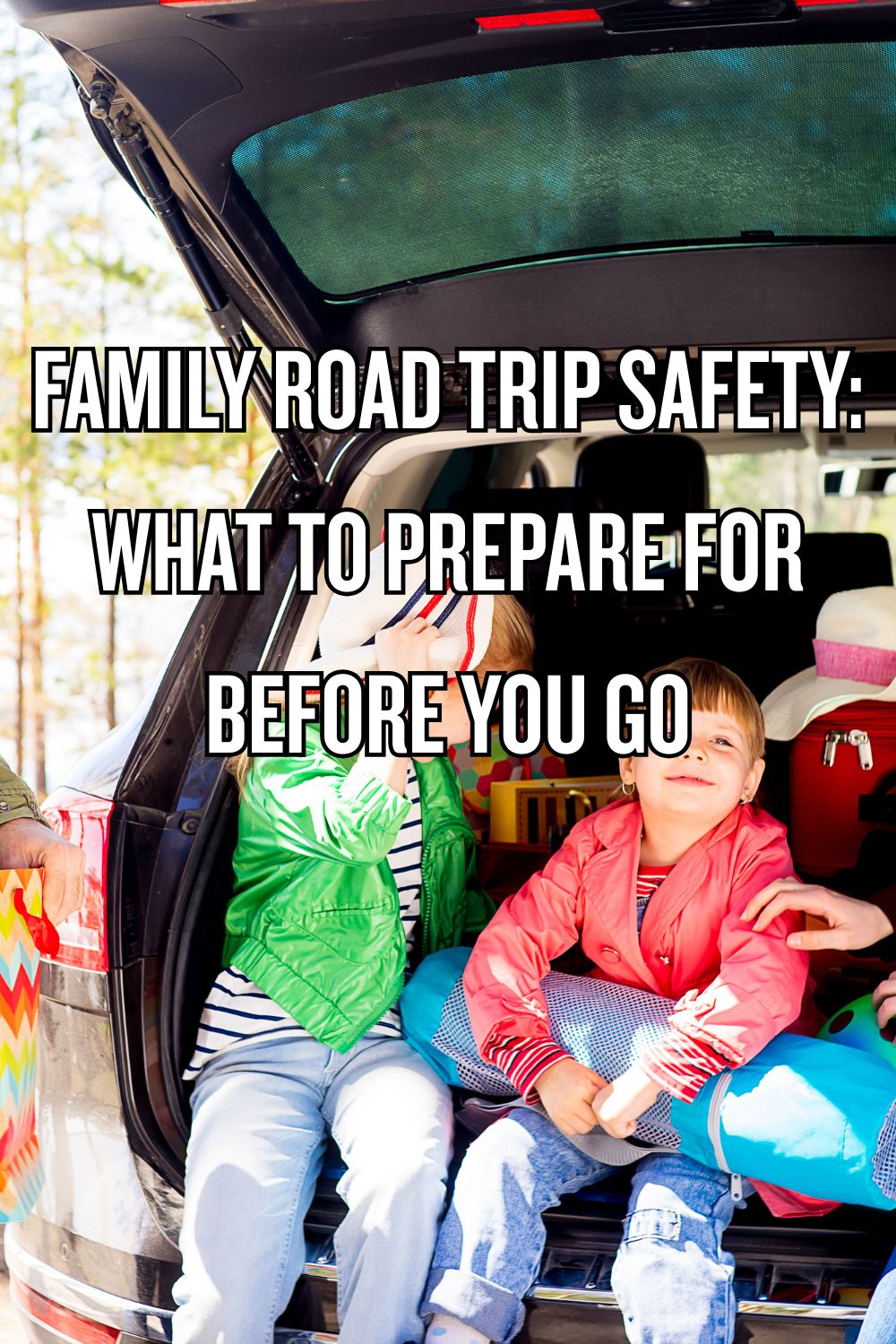
Family Road Trip Safety: What to Prepare for Before You Go
Are you planning to take your family on a road trip through Hartford? That is a wonderful idea. With scenic routes, charming neighborhoods, and plenty of nearby stops, it is a place that lends itself well to exploring by car. By now, you may have the snacks packed, the music ready, and a list of fun stops planned out, which is a great start.
However, a smooth road trip also depends on preparing for the unexpected. From vehicle issues to sudden weather shifts, not everything on the road goes according to plan. Taking a little time to think ahead can make stressful moments feel far more manageable.
This article covers four common realistic situations families should prepare for before hitting the road, helping you stay relaxed and focused throughout the journey.
Read on!
1. Emergency Breakdowns
Car trouble is one of the most common road trip disruptions. A flat tire, overheating engine, or unexpected mechanical issue can bring your plans to a halt, often far from familiar places. When this happens, stress can build quickly, especially if kids are tired or confused.
Preparation makes these moments easier to handle. Keeping a roadside emergency kit in your car is a smart first step. Items like jumper cables, a flashlight, reflective triangles, bottled water, and a basic tool kit can help you stay safe while waiting for assistance. It also helps to explain to children ahead of time what to do if the car needs to stop unexpectedly, so they feel less anxious if it happens.
Equally important is having roadside assistance or towing service information saved on your phone. Knowing who to call removes guesswork and allows you to focus on keeping everyone safe until help arrives.
2. Accidents on the Road
Accidents are the most serious road trip emergency, and they happen more often than many families expect. In fact, according to recent data, there were more than 3,662 crashes in Hartford in 2022 alone. Yet many families convince themselves it will not happen to them and never prepare for the possibility. And that lack of preparation often leads to confusion, panic, and missed steps during a moment when calm action matters most.
The goal is not to expect the worst, but to be ready just in case. Simple preparation goes a long way. Keep a first-aid kit in the car, make sure phones are fully charged, and store emergency supplies where they are easy to reach. Having roadside assistance information saved can help manage the immediate situation and ensure the vehicle is handled safely.
It is also wise to know where to turn for guidance afterward. Saving the contact information for a reliable car accident lawyer in Hartford can provide peace of mind. Firms such as Goff Law Group assist families by handling insurance communication, investigating what happened, and working toward fair resolutions. Having that support allows you to focus on your family’s health and recovery rather than navigating unfamiliar legal steps during an already stressful time.
3. Sudden Weather Changes
The weather can shift quickly during a road trip, especially when traveling across regions. Heavy rain, fog, extreme heat, or unexpected snow can change driving conditions in minutes. These situations require flexibility and awareness rather than panic.
Checking weather forecasts along your route before leaving helps you anticipate potential challenges. It is also helpful to keep extra blankets, water, and weather-appropriate clothing in the car. If conditions worsen, pulling over and waiting it out is often the safest choice. Slowing down and adjusting plans is always better than pushing forward in unsafe conditions.
Teaching children that delays are sometimes part of travel can help reduce frustration and keep everyone calmer when plans need to change.
4. Losing Navigation or Connectivity
Modern road trips rely heavily on the global positioning system (GPS) and mobile devices, but signal loss still happens, especially in rural or unfamiliar areas. Losing navigation can feel disorienting, particularly when you are already tired or behind schedule.
Downloading offline maps before you leave is a simple step that can prevent stress later. Keeping a written list of key exits, towns, or stops along your route also helps. Portable chargers ensure devices stay powered, even during long stretches without access to charging ports.
If navigation fails, the best response is to slow down, pull over safely, and reassess. Staying calm helps you think clearly and keeps children from picking up on unnecessary stress.
Wrapping Up
Family road trips are meant to create memories, not worries. Preparing for common situations like breakdowns, accidents, weather changes, and navigation issues allows you to handle challenges with confidence rather than fear. A little planning goes a long way in protecting your family and keeping the journey enjoyable. When you know you are ready for what the road may bring, it becomes much easier to relax and focus on what truly matters: time together.
Leave A Reply!