Discover The Heart of Aging in Place: how companion care supports seniors in maintaining dignity and emotional health.

The Heart of Aging in Place: A New Chapter at Home
As we age, the comfort and familiarity of home become even more precious. For many seniors in Towson, the desire to remain independent in their own space is strong. However, daily tasks and social isolation can sometimes make this challenging. We believe that everyone deserves to age with dignity and joy.
This comprehensive guide explores how companion care can provide essential support. It fosters well-being and helps seniors maintain their independence. We will dig into what companion care is and how it differs from other types of in-home support.
We will also highlight its unique benefits, especially in combating loneliness and enhancing emotional health. Our guide will show how families can find trusted providers in Towson. We will cover what to look for in a caregiver and how companion care improves a senior’s overall quality of life. This ensures a high quality of life for your loved ones right here in Towson.
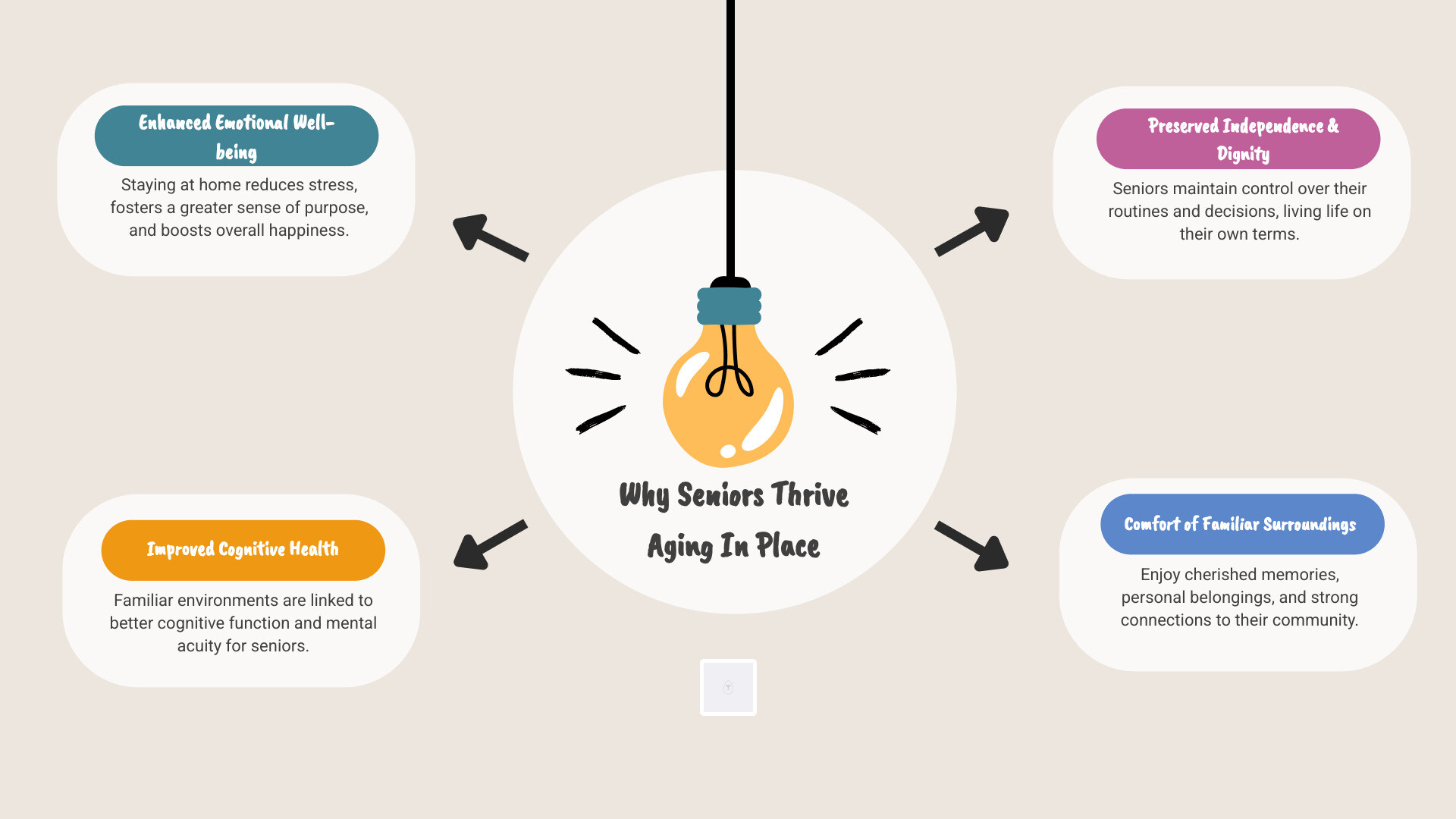
For many seniors, the thought of leaving their cherished home is a daunting one. Their home isn’t just a building; it’s a repository of memories, a connection to their past, and a symbol of their independence. Aging in place allows older adults to maintain their routines, stay connected to their communities, and enjoy the comfort of familiar surroundings. It’s about preserving dignity and empowering seniors to live life on their own terms, surrounded by the things and people they love.
The psychological power of ‘home’ cannot be overstated. It is a living chronicle of a person’s life, with each room holding stories and every object a tangible link to the past. For a senior, this environment provides a crucial sense of continuity and identity, especially when other aspects of life are changing. Maintaining daily rituals—like drinking coffee in a favorite chair, tending to a small garden, or walking a familiar neighborhood path in Towson—provides a stable rhythm that supports cognitive health and emotional equilibrium. Disrupting this by moving to an unfamiliar institutional setting can be profoundly disorienting, often leading to increased anxiety, confusion, and a decline in overall morale. This is particularly true for individuals who have deep roots in their community. Staying at home means staying connected to neighbors they’ve known for years, continuing to visit the same local library or place of worship, and maintaining relationships that form the bedrock of their social world. This social fabric is essential for staving off loneliness and maintaining a sense of belonging.
However, the noble goal of aging in place comes with its own set of practical problems. As physical abilities change, once-simple daily tasks can become strenuous or even hazardous. Navigating stairs, preparing nutritious meals, keeping up with housekeeping, and managing medication schedules can become sources of stress for the senior and worry for their family. In a community like Towson, where driving is often essential, transportation to doctor’s appointments, grocery stores, or social gatherings can become a significant barrier, leading to missed appointments and increasing social isolation. This isolation is not a minor issue; it is a serious health risk, linked to depression, cognitive decline, and higher mortality rates. The insidious creep of loneliness can undo many of the other benefits of living independently. A senior might be physically safe and have their basic needs met, but without regular, meaningful social interaction, their quality of life plummets. This is where the ‘companion’ aspect of care becomes so vital. It’s not just about task assistance; it’s about providing a friendly face, a listening ear, and a source of genuine human connection. A companion can share a cup of tea, play a game of cards, discuss current events, or simply sit and listen, filling the quiet hours that can otherwise feel overwhelmingly long.
The benefits extend beyond mere convenience; they significantly impact a senior’s emotional and physical well-being. Studies consistently show that remaining in a familiar environment can reduce stress, improve cognitive function, and foster a greater sense of purpose and happiness. Seniors who age in place report higher levels of satisfaction and control over their lives. This autonomy is a powerful contributor to mental health. Furthermore, being in a familiar setting can lead to better sleep patterns and a reduced risk of falls, as the individual is intimately acquainted with the layout of their home. This is where the right support system becomes invaluable. For families exploring these options, understanding the full scope of support available through providers of Absolute senior home care is the first step toward ensuring a loved one’s safety and happiness. This support enables seniors in Towson to accept this new chapter of life with confidence and comfort, changing potential challenges into opportunities for continued growth and connection. Companion care acts as a bridge, filling the gaps between what a senior can do independently and what they need assistance with. It’s a flexible and personalized solution that adapts to the senior’s evolving needs. Initially, it might involve just a few hours a week for social visits and help with errands. Over time, this can be adjusted to include more comprehensive support with meal preparation, light housekeeping, and transportation. This custom approach ensures that the senior receives the right level of support to thrive, not just survive, in their own home. It empowers them to focus on what brings them joy—be it hobbies, family, or community involvement—while the practical support system works quietly in the background to handle the rest. This ensures a high quality of life for your loved ones right here in Towson.
Understanding the Spectrum of Senior Home Care
When considering support for an aging loved one, understand the various types of non-medical assistance available. These services are designed to improve a senior’s quality of life, maintain their independence, and provide peace of mind for families. While the overarching goal is similar, the specific services offered can differ significantly. Identifying the right level of care ensures your loved one receives precisely what they need without unnecessary interventions.
Here’s a look at how different types of home care cater to unique needs:
Service Type Focus Key Activities Best For Seniors Who… Companion Care Socialization, emotional support, and safety supervision. Conversation, playing games, accompanying to appointments, light housekeeping, meal preparation, running errands. Are generally independent but experience loneliness, need encouragement, or require minimal assistance with daily tasks. Personal Care Hands-on assistance with Activities of Daily Living (ADLs). Bathing, dressing, grooming, toileting, transferring (mobility), and feeding. Need direct physical assistance to manage their personal hygiene and daily routines safely. Homemaker Services Maintaining a safe and clean home environment. Cleaning, laundry, grocery shopping, cooking, and general household organization. Can manage their own personal care but struggle with the physical demands of keeping up their home. Skilled Nursing Care Medical tasks that require a licensed health professional. Wound care, injections, medication administration, physical therapy, monitoring vital signs. Have complex medical conditions, are recovering from surgery, or require clinical oversight at home. A Deeper Dive into Each Care Type
Companion Care: The Heart of Connection
Companion care is primarily focused on the emotional and social well-being of a senior. While caregivers may perform light housekeeping or prepare meals, their main purpose is to provide friendship and engagement. This can involve anything from sharing stories over a cup of tea to working on a puzzle together, taking a walk in a local Towson park, or providing transportation to a social club. The goal is to combat the profound effects of loneliness and isolation, which can be as detrimental to health as smoking or obesity. A companion caregiver becomes a trusted friend, helping the senior stay mentally stimulated, emotionally supported, and connected to the world around them. This type of care is ideal for seniors who are still relatively independent but would benefit from regular social interaction and a helping hand with errands and household management.
Personal Care: Dignified Assistance with Daily Life
When a senior’s physical limitations make it difficult to perform basic self-care tasks, personal care becomes essential. This level of support is more hands-on and focuses on what are known as Activities of Daily Living (ADLs). A personal care aide (PCA) or home health aide (HHA) is trained to provide respectful and dignified assistance with sensitive tasks such as bathing, dressing, grooming, and using the toilet. They can also help with mobility, such as transferring from a bed to a wheelchair, and provide assistance with feeding if necessary. Personal care ensures a senior’s fundamental needs for hygiene and safety are met, allowing them to remain at home even when facing significant physical challenges. It often overlaps with companion care, as the caregiver providing personal assistance also offers companionship during their time in the home.
Homemaker Services: Keeping the Home in Order
While similar to some aspects of companion care, homemaker services are specifically centered on the tasks required to run a household. For seniors who have the energy and ability to care for themselves but find chores like vacuuming, laundry, and scrubbing bathrooms to be too physically demanding, homemaker services are a perfect solution. A homemaker can take care of grocery shopping, prepare meals for the week, do the dishes, and ensure the living environment is clean, safe, and organized. This service lifts a significant burden from the senior, freeing up their energy for activities they enjoy and reducing the risk of falls or injuries associated with strenuous household tasks.
Skilled Nursing Care: Clinical Expertise at Home
At the highest level of in-home care is skilled nursing care, which must be provided by a licensed nurse (an RN or LPN). This is for individuals with medical needs that go beyond personal or companion care. Examples include post-surgical wound care, administering injections, managing intravenous (IV) therapies, providing catheter care, or teaching the senior and their family how to manage a new diagnosis like diabetes. Skilled nursing is often short-term, following a hospitalization or during recovery from an illness, but it can also be long-term for those with chronic and complex health conditions. It is typically prescribed by a doctor and is focused entirely on the client’s medical condition.
Choosing the Right Level of Support
Navigating these options can feel overwhelming for families. The key is to start with a realistic and honest assessment of your loved one’s needs. Consider their physical abilities, cognitive state, emotional health, and the specific challenges they face daily. Does Mom just seem lonely and need someone to talk to? Or is she forgetting to take her medication and having trouble getting out of her chair? A reputable home care agency will conduct a thorough in-home assessment to help you answer these questions. During this consultation, a care coordinator will meet with the senior and their family to discuss routines, preferences, and areas of concern. This collaborative process results in a customized care plan that can be adjusted as needs change, ensuring your loved one receives precisely the right support at the right time. This initial assessment is a critical step and should be a comprehensive dialogue. Families should be prepared to discuss not only the obvious physical needs but also the senior’s personality, hobbies, and social preferences. A successful care relationship, especially in companion care, hinges on a good personality match between the caregiver and the senior. A great agency will consider these nuances, striving to pair a client who loves gardening with a caregiver who shares that interest, or a book lover with someone who enjoys reading aloud. This attention to detail transforms care from a simple service into a meaningful and enriching relationship for everyone involved.
Leave A Reply!