Learn the best practices for selecting high-quality pavers and stones to enhance your outdoor spaces effectively.
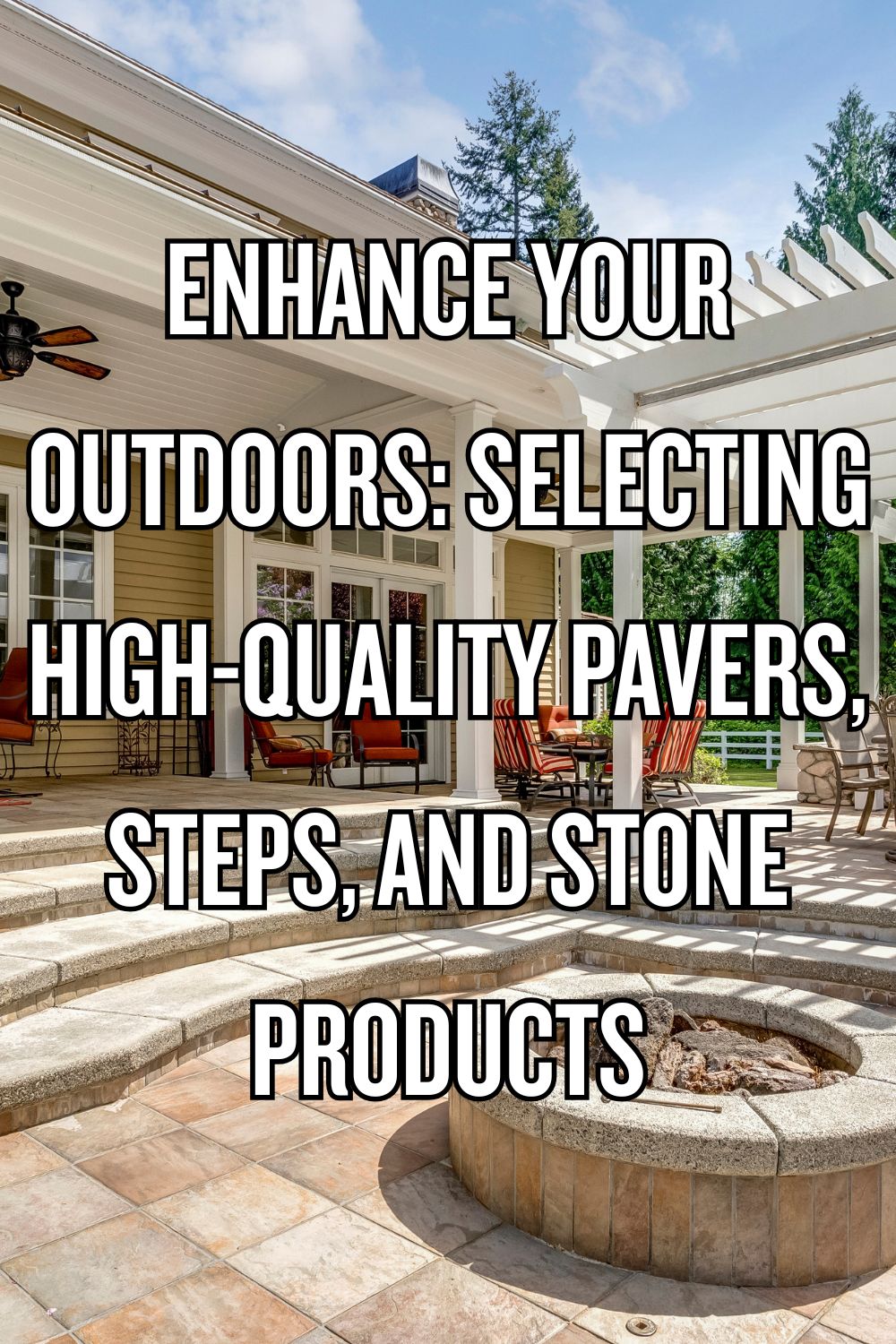
Enhance Your Outdoors: Selecting High-Quality Pavers, Steps, and Stone Products
The hardscape materials industry continues to expand as property owners increasingly invest in outdoor living spaces and architectural enhancements. Suppliers in this competitive market face unique challenges in reaching contractors, landscapers, and end consumers while differentiating their product offerings. Successful marketing requires understanding diverse customer needs, from residential pavers to commercial stone applications, and developing targeted strategies that showcase product quality and reliability.
Understanding Your Target Market and Product Portfolio
Effective marketing begins with comprehensive market analysis and clear identification of customer segments. Hardscape suppliers typically serve three primary audiences: professional contractors, landscape designers, and direct consumers undertaking DIY projects. Each segment requires distinct messaging approaches and communication channels.
Professional contractors prioritize reliability, consistent supply, and competitive pricing for bulk orders. They value suppliers who understand project timelines and can provide technical support. When targeting this segment, emphasize product availability, delivery capabilities, and established relationships with techo bloc dealers who maintain consistent inventory levels.
Landscape designers focus on aesthetic appeal, product variety, and customization options. They seek suppliers who can provide samples, detailed specifications, and design support. Marketing materials for this audience should showcase completed projects and highlight unique product characteristics that enhance outdoor spaces.
Direct consumers often require more educational content and hands-on guidance. They benefit from clear installation instructions, maintenance tips, and visual inspiration for their projects.
Digital Marketing and Online Presence
Modern hardscape suppliers must establish comprehensive digital footprints to reach customers effectively. Professional websites serve as primary marketing tools, showcasing product catalogs, technical specifications, and project galleries. Search engine optimization ensures potential customers find relevant products when researching materials.
Social media platforms provide opportunities to display finished projects and engage with both professionals and homeowners. Visual platforms like Instagram and Pinterest work particularly well for hardscape materials, allowing suppliers to showcase dramatic before-and-after transformations and inspiring outdoor spaces.
Email marketing campaigns can nurture leads by providing valuable content, product updates, and seasonal promotions. Segmented campaigns allow targeted messaging based on customer type and purchase history. Regular newsletters featuring project spotlights and maintenance tips help maintain customer engagement between purchases.
Content Marketing and Educational Resources
Educational content establishes supplier expertise while helping customers make informed purchasing decisions. Technical guides, installation videos, and maintenance resources serve multiple customer segments simultaneously. This approach builds trust and positions suppliers as knowledgeable industry partners rather than simple product vendors.
Blog content addressing common hardscape challenges attracts organic search traffic and demonstrates problem-solving capabilities. Topics might include seasonal maintenance, design trends, or comparative analyses of different materials. When discussing specialized applications, references to limestone steps suppliers near me provide valuable local context for regional customers.
Video content proves particularly effective for hardscape marketing, allowing visual demonstration of installation techniques and finished results. Time-lapse videos of project installations generate significant engagement on social platforms and can be repurposed across multiple marketing channels.
Trade Shows and Industry Events
Industry trade shows provide concentrated access to professional customers and networking opportunities with industry partners. Well-designed booth displays allow hands-on product examination and face-to-face relationship building that digital marketing cannot replicate.
Effective trade show strategies include:
- Interactive displays showcasing product durability and aesthetic appeal
- Technical presentations demonstrating installation best practices
- Relationship-building activities with existing and potential customers
- Lead capture systems for follow-up communications
- Product launches and exclusive show promotions
Regional trade shows often provide better return on investment than national events, allowing deeper connections with local markets and reduced participation costs. Post-show follow-up campaigns maximize lead conversion and maintain momentum generated during events.
Pricing Strategies and Market Positioning
Competitive pricing requires understanding both direct competitors and alternative materials that customers might consider. Value-based pricing strategies emphasize total project benefits rather than simple cost comparisons. This approach works particularly well for premium products that offer superior durability or aesthetic appeal.
Volume pricing structures encourage larger orders while maintaining profitability margins. Seasonal promotions can smooth demand fluctuations and encourage early project planning. When marketing specialized products like limestone window sills, premium positioning emphasizes unique characteristics and installation advantages.
Transparent pricing policies build customer trust and simplify purchasing decisions. Clear delivery terms, quantity breaks, and payment options reduce transaction friction and encourage customer commitment.
Conclusion
Marketing success for hardscape material suppliers requires coordinated strategies that address diverse customer needs through multiple channels. Digital presence, strategic partnerships, and educational content form the foundation of effective marketing programs. Trade shows and industry events provide valuable face-to-face networking opportunities, while excellent customer service builds lasting relationships that generate ongoing business. Competitive pricing strategies and consistent performance measurement ensure marketing investments deliver measurable returns. As outdoor living continues growing in popularity, suppliers who implement comprehensive marketing approaches will capture increased market share and build sustainable competitive advantages in this expanding industry.
Leave A Reply!