Discover the truth behind senior home care services and dispel common myths that hinder informed decisions.
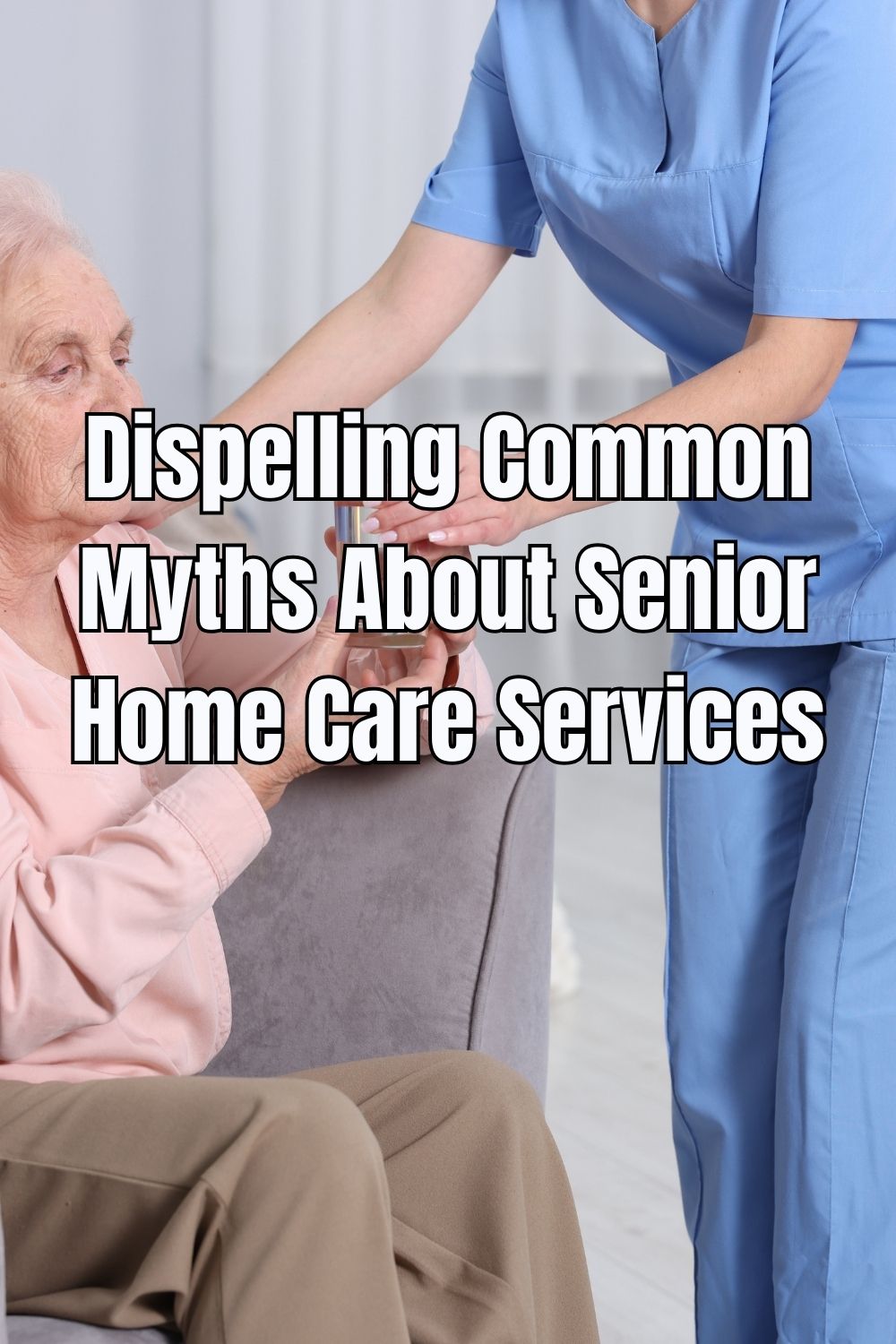
Dispelling Common Myths About Senior Home Care Services
The opinions and decisions that people have about senior home care services are often based on misconceptions. There are some misconceptions that lead families to make regrettable, uninformed decisions. Clearing up these false ideas will empower everyone to make decisions for their families more confidently. This article explores these myths and presents facts instead of uncertainties.
Myth 1: Home Care Means Losing Independence
Those who receive care at home often believe that it denies the elderly of independence. Because of this myth, families will often be reluctant to pursue help. In fact, these senior home care services aim to conserve and potentially boost self-reliance. They assist with daily activities while also encouraging individuals to participate in the tasks they will be doing regardless. Reliable assistance fosters greater independence, eliminating the need for difficult tasks.
Myth 2: Only the Very Ill Need Home Care
A lot of people think that home care services are only meant for the most serious health problems. This myth also disregards the range of things caregivers do. Support is not only medical assistance but also help with cooking, mobility, or companionship. Seniors who benefit from these services typically experience a higher quality of life and increased social interaction.
Myth 3: Care should all be provided within the family
There is an expectation that the family should handle all aspects of elder care. Although family relationships are important, the balance between personal life, work, and the demands of caregiving can become overwhelming. Paid help means families can skip the mundane and enjoy the moments that matter. This partnership will improve all lives and even lessen stress.
Myth 4: Home Care Costs Too Much Money
Home care options can be expensive, which is often why they are not explored. Most families assume these services exceed their budget. Fortunately, there are flexible types of plans you can choose according to your needs and budget. And some of that help is even provided through insurance or government programs. Home care can offer value as well as comfort that is unmatched by any high-priced residence.
Myth 5: You Get Worse Care At Home
And there are fears professional caregivers may offer less care or expertise than staff at residential centers. This worry is misplaced. They are equipped with industry training and background checks before going into clients’ homes. Most agencies have strong standards and ongoing education for their staff. Care is generally more personalized when it is provided in a familiar environment.
Myth 6: Home Care MAkes Seniors Lonely
Another myth is that home care results in social isolation. The reality is, many seniors gain companionship from regular visits by caregivers. Such professionals talk to clients and involve them in activities and outings, therefore slashing loneliness. Family members also have peace of mind that their loved ones are regularly engaged & supported.
Myth 7: Home Care is Not Flexible
Home care services have a set schedule. That said, the provider is typically accommodating on a case-by-case basis. Seniors and their families get to decide how often and when the visits happen, working around the established routine for the individual. This flexibility means greater equilibrium and ease, as power shifts in time with evolving needs.
MYTH 8: Home Care is Short-Term
They believe that these services are only meant for the short term, like post-surgery or illness. Many seniors opt for continual support in helping them stay healthy. At-home long-term care can also mean management of chronic illnesses so that people can stay in their environment comfortably. This option provides dignity and stability throughout the aging process.
Myth 9: Individual Privacy Has Disappeared
Many people argued that privacy concerns can prevent certain individuals from being considered for home care. One of the main things that trained caregivers do is respect boundaries and build trusting relationships with clients. They assist while preserving the dignity of the individual. Staying in their home is often more emotionally secure and comfortable for seniors than being in alternate situations.
Conclusion
Some of the misconceptions around senior home care services promote unnecessary hesitance and anxiety. Replacing myths with facts empowers families to make informed choices. For many seniors, home care serves as a vital support system, fostering independence and enhancing quality of life. Understanding the realities of these services opens pathways to receive compassionate, respectful, and comfortable care in the familiar surroundings of home.
Leave A Reply!