Discover the essential steps for choosing the right insurance. Assess your situation and avoid common pitfalls in policy selection.

Choosing the Right Insurance: What You Need to Know
Key Takeaways
- Assessing your unique situation is the foundation for finding the right insurance.
- Familiarity with core insurance types ensures comprehensive protection.
- Knowing the terms and fine print is crucial for making informed choices.
- Assistance from impartial professionals can clarify policy details and help avoid pitfalls.
- Vigilance against deceptive, too-good-to-be-true plans protects your financial well-being.
- Regularly reviewing policies guarantees your coverage keeps pace with life changes.
Table of Contents
- Understanding Your Insurance Needs
- Types of Insurance Coverage
- Evaluating Policy Options
- Seeking Professional Guidance
- Beware of Too-Good-to-Be-True Plans
- Understanding Key Insurance Terms
- Reviewing and Updating Your Policy
- Conclusion
Understanding Your Insurance Needs
Navigating insurance starts with a clear-eyed assessment of your personal circumstances. Consider your age, health, family size, financial commitments, and future goals. Are you single or do you support a household? Do you own a car, rent an apartment, or have a mortgage? This honest self-evaluation lays the groundwork for finding the best coverage for your unique situation.
Evaluating your lifestyle and financial position will help you determine priorities—robust health insurance, extra protection for valuable property, or a safety net for your family’s future. For those shopping locally, resources for insurance companies in Rochester NY can make comparing policies easier and provide support tailored to your region. Taking time to research and ask questions ensures you find coverage that truly fits your needs. With the right plan, you can move forward confidently, knowing your assets and loved ones are well protected.
Types of Insurance Coverage
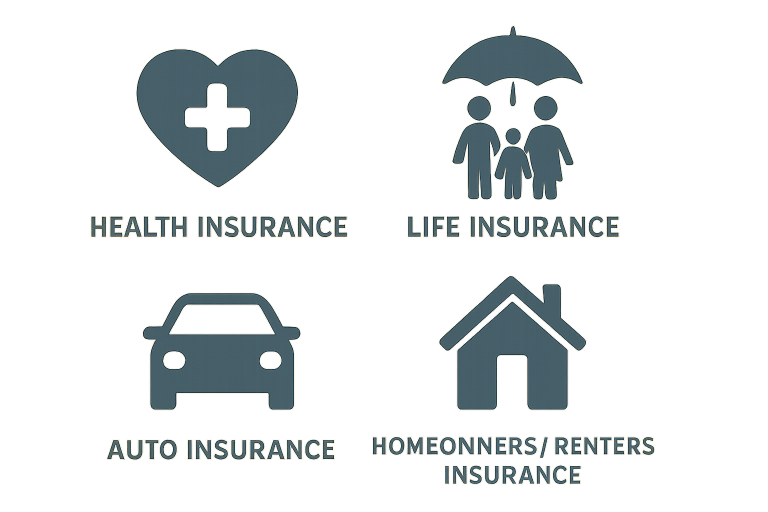
Insurance comes in many forms, each designed to cover a specific aspect of life, property, or health. Understanding each type ensures you get the coverage necessary for peace of mind.
- Health Insurance: Assists with the high costs of healthcare services, hospitalizations, and preventive care. It’s often deemed essential, especially with rising medical expenses, as highlighted by CNBC.
- Life Insurance: Delivers financial benefits to your dependents or beneficiaries in the event of your passing, securing their financial stability during a difficult time.
- Auto Insurance: Mandated in most states, this covers damages or losses related to vehicle accidents, theft, and liability.
- Homeowners/Renters Insurance: Protects your residence and personal belongings from risks like fire, theft, and natural disasters, and may also cover liability for accidents occurring on your property.
Reflect on your life’s various assets and risks to ensure comprehensive coverage across areas that matter.
Evaluating Policy Options
Not all insurance policies are created equal. While evaluating your choices, focus on these crucial factors:
- Premiums are the routine payments required to keep the policy active. Lower premiums may seem attractive, but they often come with higher out-of-pocket costs.
- Deductibles: What you pay before insurance benefits kick in. Balancing deductible size against premiums can help control costs over the year.
- Coverage Limits: The maximum amount insurers pay for a covered loss. Check that these limits are sufficient given your overall risk.
- Exclusions: Specific scenarios, items, or health issues that the policy does not cover. Always review the fine print to avoid unpleasant surprises.
Seeking Professional Guidance
The world of insurance can be confusing, with jargon and complex policy language. Thankfully, many communities offer free and impartial help through state-licensed navigators and trusted agents. These professionals can assist with policy comparisons and enrollment, and their unbiased support comes from being government-funded, not from earning commission. For further help, local directories and resources like Healthcare.gov/localhelp can connect you with licensed navigators for free assistance.
Beware of Too-Good-to-Be-True Plans
It’s tempting to grab low-cost insurance deals, especially in online ads and unsolicited calls. But remember, plans that look too cheap may only offer barebones protection or exclude coverage for essential benefits like prescriptions, maternity, or preventive care. Only policies that meet Affordable Care Act standards guarantee comprehensive coverage for required services. When in doubt, use the official portals like Healthcare.gov for policy comparisons, and be wary of any carrier not listed there.
Understanding Key Insurance Terms
Insurance documents use specialized vocabulary. Here are a few terms to master for your next policy review:
- Premium: Payment you make regularly to keep the insurance policy active.
- Deductible: The amount you pay out-of-pocket on claims before insurance pays its share.
- Co-payment (Co-pay): A fixed fee you contribute for specific services, like doctor visits or prescriptions.
- Out-of-Pocket Maximum: The most you’ll pay in a policy year; insurance pays 100% beyond this point.
A deeper understanding of insurance terms helps you make smarter, more confident choices. Resources like NerdWallet’s glossary are useful for learning further definitions and examples.
Reviewing and Updating Your Policy
Insurance is not a set-and-forget solution. Life events such as getting married, welcoming a child, or changing jobs can alter your insurance needs. Regularly reviewing your policies ensures your coverage adapts to your evolving situation, keeping you and your family secure. Mark your calendar for annual reviews or after significant changes to your life or property, and don’t hesitate to consult your insurer or a professional for recommendations.
Conclusion
Selecting the right insurance requires honest self-assessment, a strong understanding of available options, and a willingness to dig into policy details. With a well-rounded approach, optional help from professional advisors, and awareness of common pitfalls, you can protect your health, assets, and loved ones against life’s uncertainties—and equip yourself for a more secure future.
Leave A Reply!