Explore the benefits of shopping local for fresh food. Enjoy nutritious produce while supporting your community’s economy.
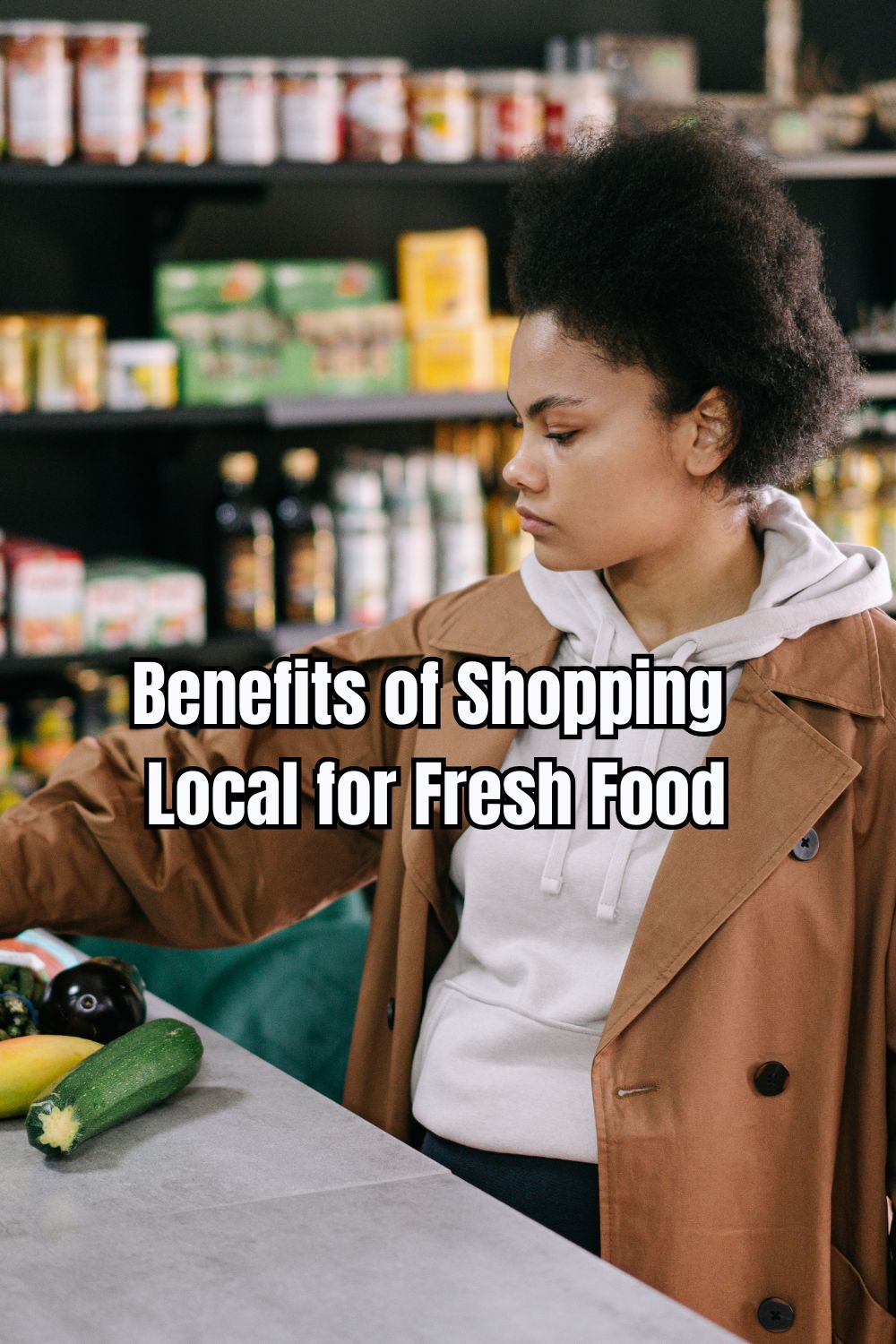
Benefits of Shopping Local for Fresh Food
Key Takeaways
- Locally sourced produce is often fresher and more nutritious.
- Supporting local farmers strengthens the community’s economy.
- Shopping local reduces environmental impact by lowering carbon emissions.
- Engaging with local markets fosters community connections and promotes food safety.
Table of Contents
- Fresher and More Nutritious Produce
- Supporting Local Economies
- Environmental Benefits
- Enhanced Food Safety
- Community Engagement
- Seasonal Eating
- Preserving Biodiversity
- Conclusion
Shopping locally for fresh food offers numerous benefits that extend far beyond convenience or novelty. Embracing your community’s offerings means you can enjoy greater health, support your local economy, and make environmentally responsible choices. Exploring grocery stores near me is an excellent way to discover nearby farmers’ markets, co-ops, or specialty food shops that can elevate your table and your community all at once.
Local produce allows you to form a direct relationship with the people who grow your food, providing you with valuable insights into how your food is grown and harvested. Shopping locally keeps your meals exciting with seasonal produce, supports local farmers and entrepreneurs, and helps reduce the carbon emissions associated with transporting food over long distances. These combined effects promote personal wellness, economic vitality, and environmental sustainability for all parties involved.
As consumer awareness grows, the push towards local food systems has never been more compelling. From gaining access to peak-fresh produce to strengthening your region’s food security, shopping at local markets fosters connection, trust, and transparency. It also means you support agricultural diversity, helping keep unique and heirloom varieties on your plate and in your community’s fields.
Sho and security picking from local producers has a positive impact on nutrition, flavor, community spirit, and economic resilience. The result is more than just a tastier diet—it’s an investment in the place you call home.
Fresher and More Nutritious Produce
The journey that local fruits and vegetables take from farm to table is short, maximizing their freshness. Most are picked at peak ripeness, resulting in superior flavor and nutrient content. Produce that comes from afar is harvested before it’s fully ripe to account for shipping and storage periods—often sacrificing taste and nutritional value along the way. Research from the Harvard T.H. Chan School of Public Health suggests that fresh-picked, well-stored produce retains more nutrients than food subjected to prolonged travel and storage times.
Supporting Local Economies
Buying fresh food from local producers is more than just a feel-good gesture; it’s a powerful economic engine for your community. Dollars spent at local farmers’ markets, independent grocers, and roadside stands circulate within your region, helping create jobs and sustain small businesses. This local reinvestment fosters economic resilience—a significant advantage for rural and agricultural areas. According to the Food and Agriculture Organization of the United Nations, strengthening local food systems improves community well-being and supports social equity.
Environmental Benefits
One of the most tangible benefits of local food is its positive impact on the environment. Local food travels shorter distances, resulting in reduced transportation emissions. Local farmers tend to grow smaller batches of a broader range of crops, too, often employing sustainable practices such as crop rotation, integrated pest management, and organic fertilization. These strategies enhance soil health, conserve water, and promote the growth of pollinators and other beneficial insects. The Environmental Protection Agency notes that short food supply chains help reduce the overall carbon footprint of the food you eat.
Enhanced Food Safety
Local food systems are more transparent, with fewer steps between the farm and your fork. This reduced handling decreases the risk of contamination and foodborne illnesses. In smaller local operations, it’s easier to implement and monitor strict food safety standards, and in case of any food safety issues, tracing a product’s origin is more straightforward. Building trust with local producers offers not only peace of mind but also empowers you to ask questions about how your food is grown, harvested, and handled.
Community Engagement
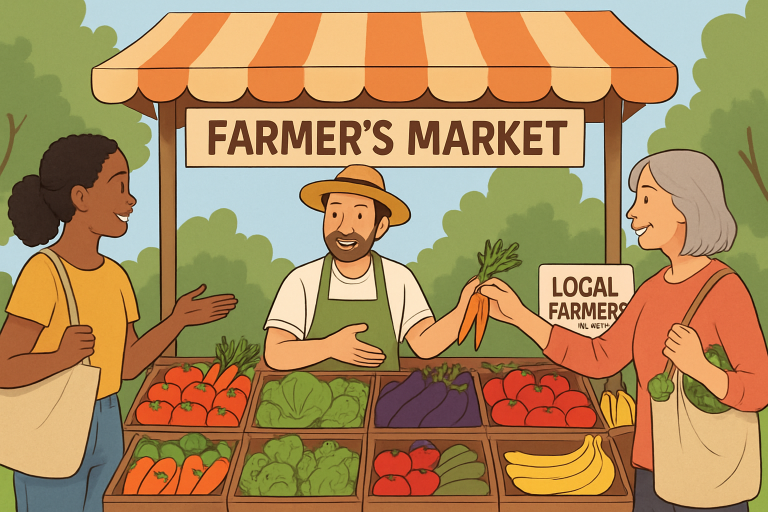
By frequenting local markets, you become part of a vibrant ecosystem of farmers, artisans, and food enthusiasts who shape your local food culture. These interactions foster transparency and education, providing insight into the growing process and even recipes or storage ideas to make the most of what’s in season. Connecting directly with growers builds mutual respect and a sense of shared investment—farmers are more likely to care for their land and produce when they personally know their customers.
Seasonal Eating
Eating with the seasons isn’t just a culinary adventure—it’s also a nutrition strategy. Seasonal produce is often at its peak in taste and nutrition because it’s harvested when naturally ripe. Seasonal diets also vary naturally throughout the year, supplying a spectrum of vitamins, minerals, and antioxidants that benefit your health depending on the season. Supporting local markets makes it easier to eat what’s in season, keeping your diet fresh and reducing the environmental impact of hothouse or internationally flown produce.
Preserving Biodiversity
Local growers frequently experiment with a wider variety of crops, including heritage and heirloom species that are not commercially viable for large-scale distributors. This commitment to diversity preserves genetic diversity, supports healthier ecosystems, and provides access to exciting new flavors and textures. In turn, biodiversity increases crop resilience, improves pest management, and helps maintain fertile soils for future generations.
Conclusion
Integrating more local foods into your diet is a practical, sustainable, and enriching choice for both individuals and communities. It leads to healthier, tastier meals while strengthening both the local economy and the broader food system. By seeking out local markets and supporting nearby farmers, you play a vital part in building a resilient, thriving, and interconnected local community.