Are cats good emotional support animals? Discover how these intuitive companions can provide comfort and emotional stability.
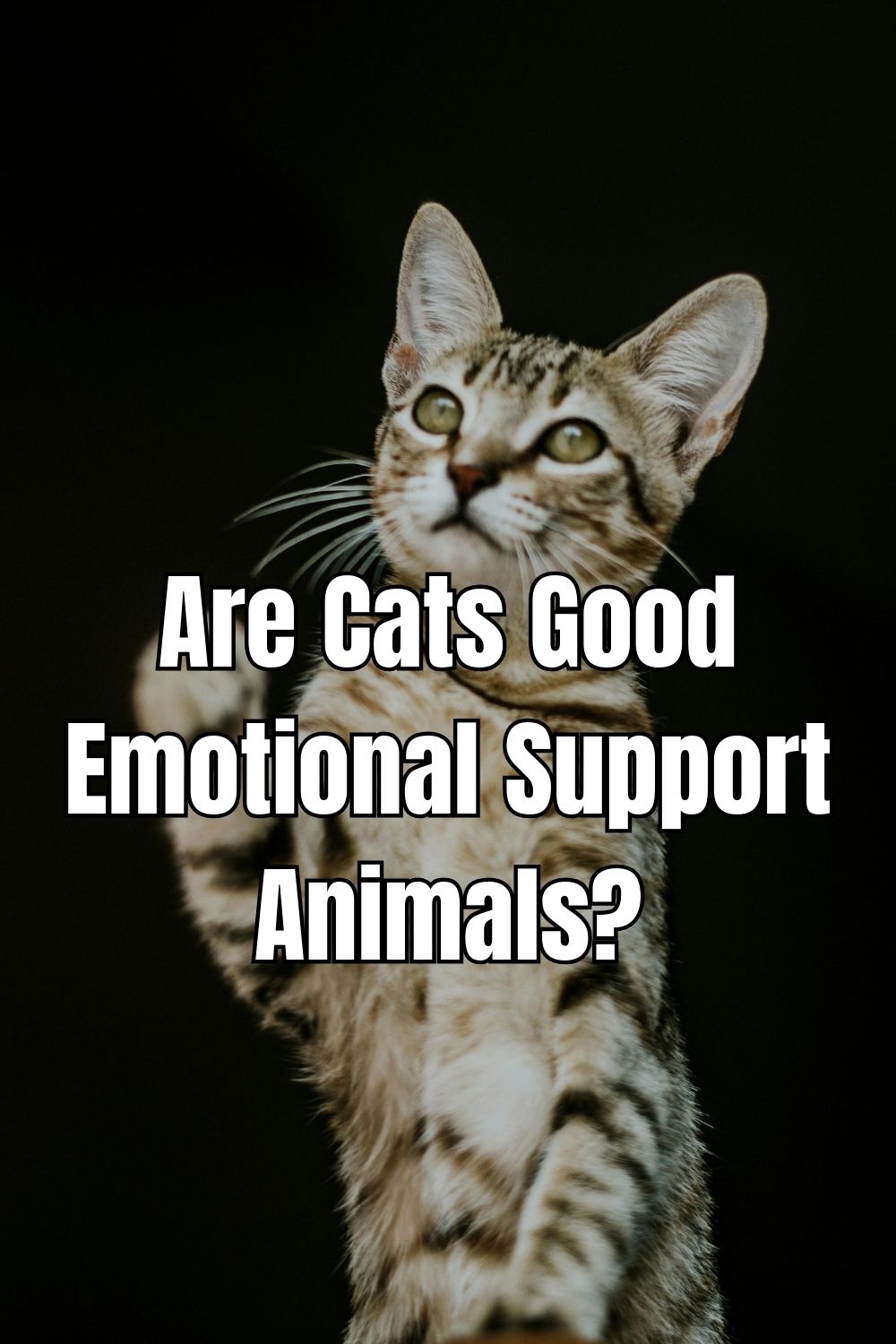
Are Cats Good Emotional Support Animals?
Beyond their curious gaze, pointed ears, and stealthy gait, cats have increasingly become part of conversations around emotional support and mental health. As their role in this space continues to grow, many people naturally ask: Are cats good emotional support animals?
While dogs primarily dominate the conversation about emotional support animals, cats have quietly become a meaningful source of emotional stability for many Americans. Their calm demeanor, low-maintenance care needs, and intuitive companionship make them appealing.
But do they truly meet the needs of someone seeking emotional support, or is their reputation more anecdotal than practical?
What Is an Emotional Support Animal?
Before examining whether cats are effective emotional support animals, it’s important to first understand what the term emotional support animal actually means. An emotional support animal (ESA) is a companion animal that provides comfort related to a diagnosed emotional or psychological condition.
Unlike service animals, ESAs are not required to perform specific trained tasks. Their value lies in consistent companionship and emotional regulation that arises from the bond they share with their owners.
Under U.S. housing law, individuals with proper documentation may request a reasonable accommodation for an ESA. Airline policies, on the other hand, have tightened in recent years and generally no longer recognize ESAs as service animals.
Why Many People Choose Cats as Emotional Support Animals
Cats are widely available through shelters and rescues, typically cost less to care for than dogs, and adapt well to apartments or smaller living spaces. For individuals with anxiety disorders, depression, or chronic stress, this lower-maintenance lifestyle can make a difference.
Cats do not require multiple daily walks or constant stimulation. Their independence allows for companionship without overwhelming social demands. For someone who finds high-energy environments overstimulating, this quieter dynamic can feel more manageable.
The Science Behind Cats and Emotional Well-Being
Human-animal interaction research suggests that calm, voluntary interaction with pets may reduce cortisol levels, the hormone associated with stress. Physical contact, such as stroking a cat, can stimulate the release of oxytocin, playing an essential role in bonding and emotional regulation.
For someone experiencing heightened anxiety, the predictable rhythm of petting a relaxed cat can serve as a grounding activity. Cats offer another quality that is sometimes overlooked: behavioral consistency.
Unlike some highly reactive pets, many adult cats operate on stable routines. They nap in the same spots, approach at similar times of day, and respond in relatively predictable ways when comfortable in their environment. That consistency may help regulate individuals who are sensitive to unpredictability or overstimulation.
Limitations and Realistic Expectations
It’s important to recognize that not all cats may be universally suited to the role of an emotional support animal. Some cats are aloof, easily startled, or intolerant of handling. For someone who relies heavily on tactile comfort, a highly independent cat may not meet expectations.
Responsibility itself can also be a stressor. Veterinary bills, litter maintenance, and long-term care commitments require planning. For individuals whose anxiety centers on responsibility or fear of making mistakes, pet ownership may amplify stress rather than reduce it.
Another important distinction is that ESAs differ from service animals trained for psychiatric tasks. A psychiatric service dog, for example, might interrupt panic attacks or provide deep pressure therapy on command.
Cats are rarely trained for such task-oriented roles. Their support is relational, not procedural. That difference does not diminish their value, but it does shape expectations.
How to Choose the Right Cat for Emotional Support
For those considering an emotional support cat, temperament should be the primary consideration in making a decision. Not every cat is ideal for emotional support. Adult cats have more predictable behavioral patterns compared to kittens, whose energy and unpredictability may feel overwhelming.
Look for traits such as tolerance for touch, comfort around people, and relaxed body language. Spending time with a cat before adoption, or fostering first, can reveal whether the dynamic feels stabilizing.
Environment matters as well. A quiet home tends to support a calm cat, which in turn supports emotional stability. Consistent feeding times, gentle interaction, and respect for boundaries help maintain trust.
So, Are Cats Good Emotional Support Animals?
For many people, the answer is yes, particularly for those seeking consistent, low-pressure companionship rather than high-energy engagement. According to the experts at US Service Animals, emotional support cats can provide grounding, routine, and nonjudgmental presence. They may support emotional well-being through subtle physiological and psychological mechanisms.
Bear in mind, however, that cats are not substitutes for therapy, medication, or professional care when those are needed. The decision ultimately comes down to temperament fit, the nature of the emotional or psychological condition, and the environment.
For someone whose nervous system benefits from quiet rhythms and predictable companionship, a cat may offer exactly the kind of steady presence that fosters comfort and assurance.
Leave A Reply!