Learn how families can protect themselves from accidents and respond effectively during unexpected events to ensure safety.
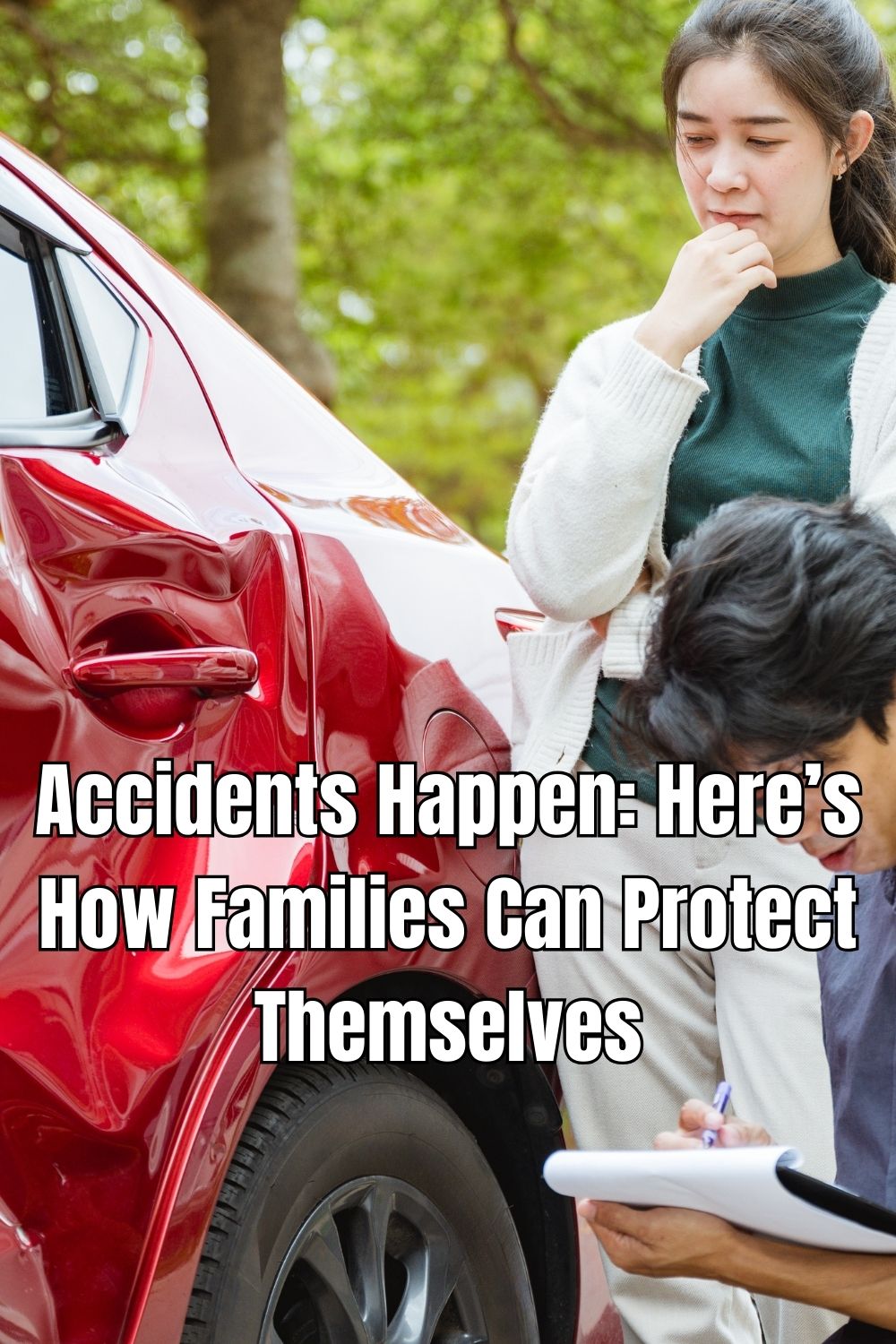
Accidents Happen: Here’s How Families Can Protect Themselves
No family plans for an accident. They happen in moments that feel ordinary—during a school pickup, a weekend grocery run, or a routine commute home. One second, everything is normal; the next, life feels uncertain. What makes accidents in Atlanta especially difficult isn’t just the physical impact, but the confusion that follows. Questions pile up quickly: Is everyone okay? What happens next? Who’s responsible?
Moreover, families often assume preparation means avoiding danger altogether. But the reality is simpler and more honest: accidents are part of life. Protection doesn’t come from pretending they won’t happen—it comes from knowing how to respond, how to reduce risk, and how to safeguard your family’s well-being when the unexpected occurs.
That being said, understanding these basics can make the difference between chaos and clarity when it matters most.
Why Accidents Affect Families Differently
An accident rarely affects just one person. When a parent, partner, or child is injured, the entire household feels the impact—emotionally, financially, and logistically.
Families often face:
- Sudden medical decisions.
- Missed work or school.
- Transportation challenges.
- Unexpected expenses.
- Emotional stress and uncertainty.
Unlike individuals living alone, families must think collectively. Protecting everyone means planning not just for safety, but for aftermath management—how daily life continues when routines are disrupted.
Common Situations Where Families Are Most at Risk
Understanding where accidents commonly occur helps families stay more alert without becoming anxious. Some of the most frequent scenarios include:
- Road accidents during daily commutes or school drop-offs.
- Home injuries, such as slips, falls, or burns.
- Public space incidents, including grocery stores or parking lots.
- Recreational injuries, from sports to weekend outings.
In fact, most of these aren’t high-risk activities. They’re everyday moments—which is exactly why they catch people off guard.
What to Do Immediately After an Accident
The moments following an accident often determine how smoothly—or painfully—the next steps unfold. Families who act deliberately protect themselves better than those who rush or guess.
Key steps include:
- Check for injuries first, even if they don’t seem obvious.
- Seek medical attention when in doubt—some injuries appear later.
- Document what happened, including photos and basic details.
- Avoid making assumptions or accepting blame prematurely.
Moreover, families navigating serious incidents also consult a personal injury attorney in Atlanta to better understand what steps protect their rights, especially when injuries disrupt work, school, or long-term health.
Reliable firms like Turnbull, Moak & Pendergrass Law firm are often referenced in this context because they offer legal clarity that can reduce uncertainty during already stressful situations. All in all, this isn’t about conflict—it’s about understanding options before decisions become irreversible.
Why Delaying Action Can Create Bigger Problems
One of the most common mistakes families make is waiting too long—whether to seek medical care, document injuries, or ask questions.
Delays can lead to:
- Worsening medical conditions.
- Gaps in documentation.
- Increased financial strain.
- Confusion about responsibility.
Even well-intentioned delays (“Let’s wait and see”) can unintentionally weaken a family’s position later. Acting early preserves choices.
How to Protect Everyone Emotionally
Accidents don’t just leave physical marks. Children, in particular, may internalize fear or confusion even if they weren’t physically harmed. Families can support emotional recovery by:
- Talking openly about what happened.
- Reassuring children that safety is being handled.
- Maintaining routines as much as possible.
- Seeking professional support when stress lingers.
Protecting your family includes protecting peace of mind—not just physical recovery.
Teaching Children Safety Without Creating Fear
Children learn how to respond to accidents by watching adults. Calm, clear explanations help them feel secure rather than scared.
Effective approaches include:
- Explaining safety rules in practical terms.
- Encouraging questions instead of dismissing concerns.
- Modeling calm responses to unexpected situations.
When children understand why safety matters, they’re more likely to follow guidelines confidently.
Long-Term Protection Is About Habits, Not Perfection
No family can prevent every accident—and trying to do so only creates anxiety. Real protection comes from habits that support resilience.
These include:
- Staying informed rather than reactive.
- Addressing problems early.
- Asking for help when needed.
- Keeping communication open within the family.
Prepared families don’t avoid accidents entirely—they navigate them with less disruption and more confidence.
To Sum It All Up!
Accidents are an unfortunate part of life, but how families respond to them makes all the difference. Protection isn’t about eliminating risk—it’s about preparation, awareness, and knowing where to turn when something goes wrong.
By staying informed, acting early, and supporting one another emotionally and practically, families can reduce the long-term impact of unexpected events. In moments of uncertainty, clarity becomes a form of protection—and it’s one every family deserves.
Leave A Reply!